









Office revolution: Height-adjustable desks for greater well-being

A dynamic workplace: Why a height-adjustable desk revolutionizes your office
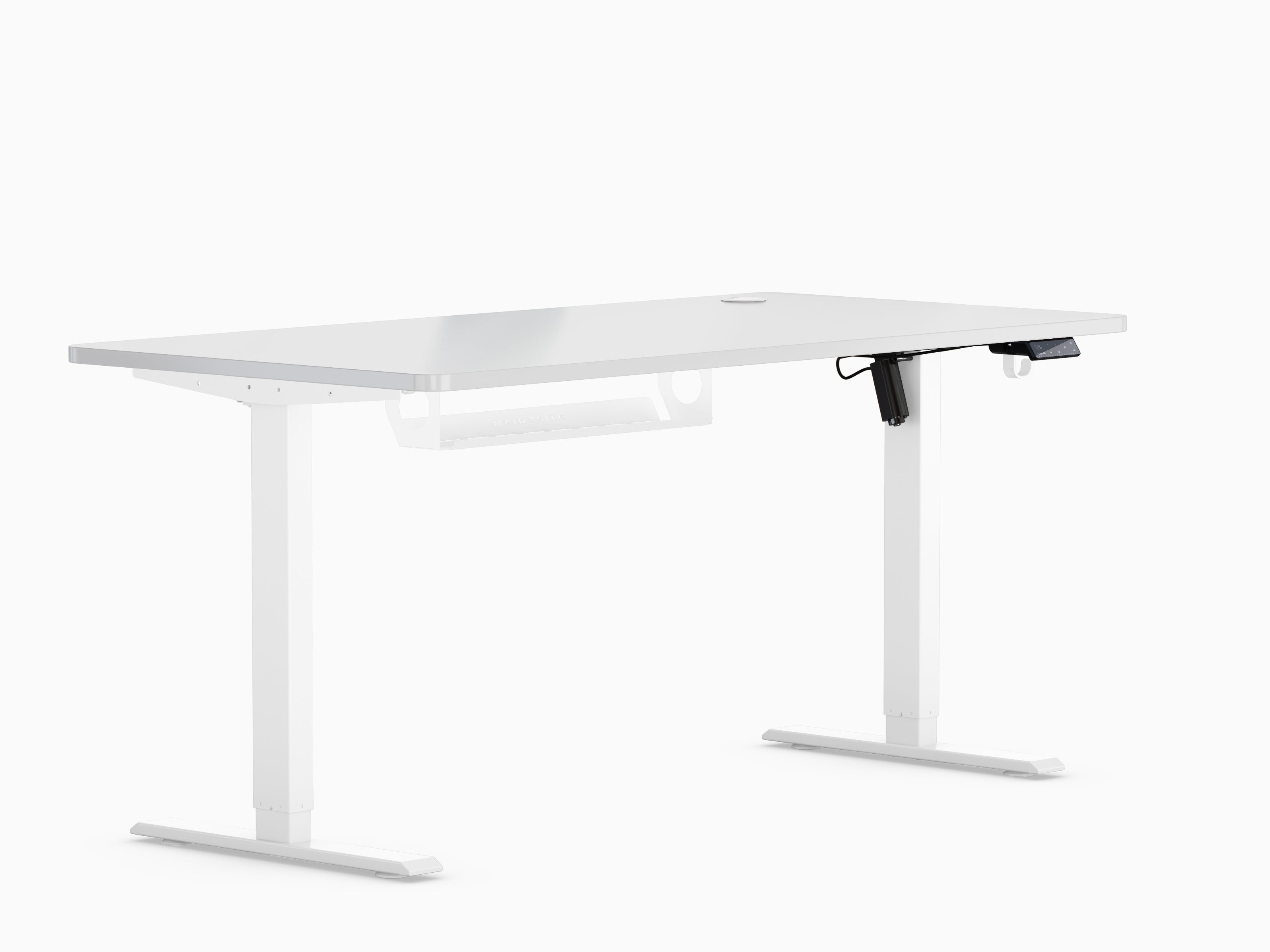
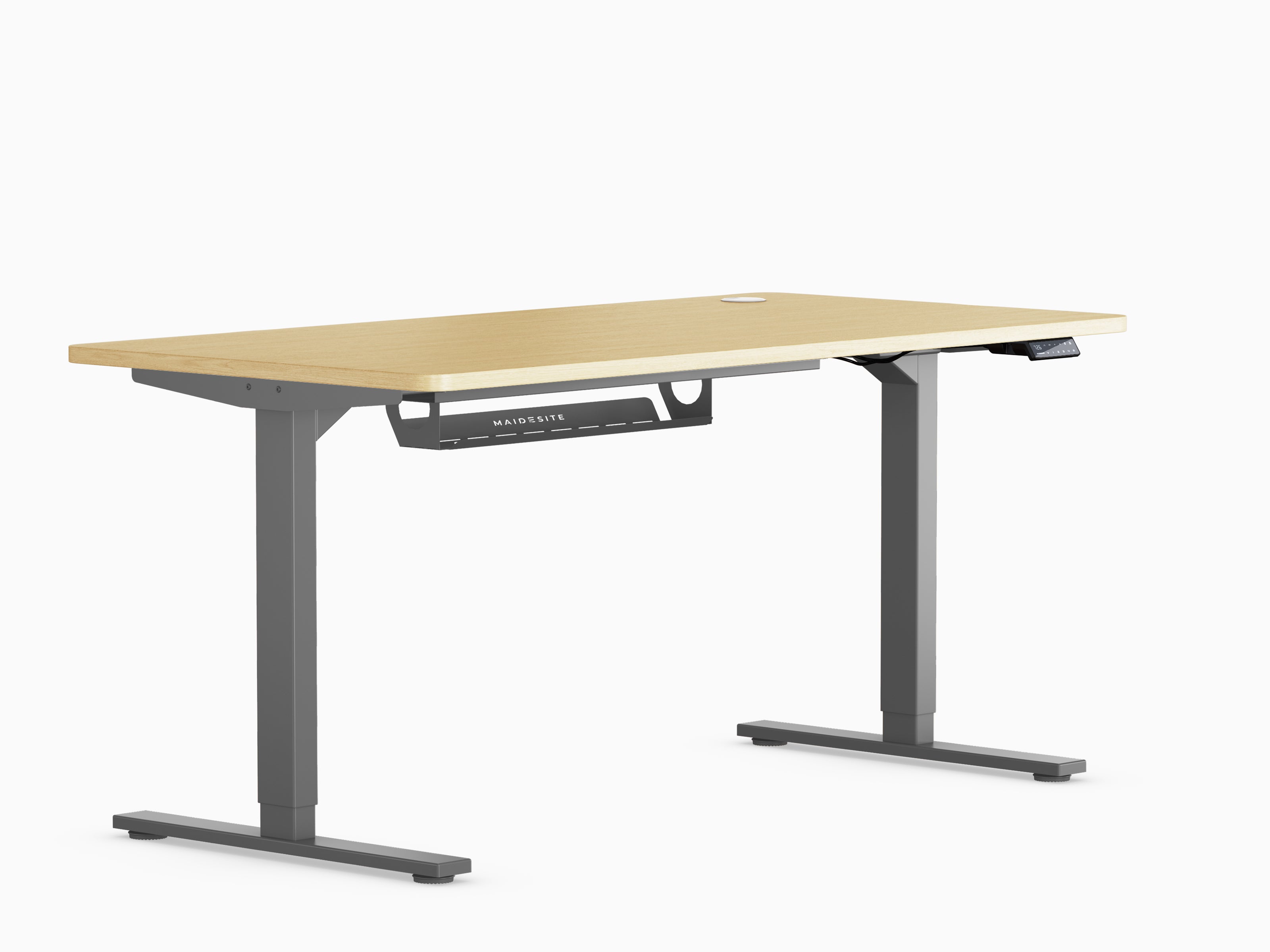
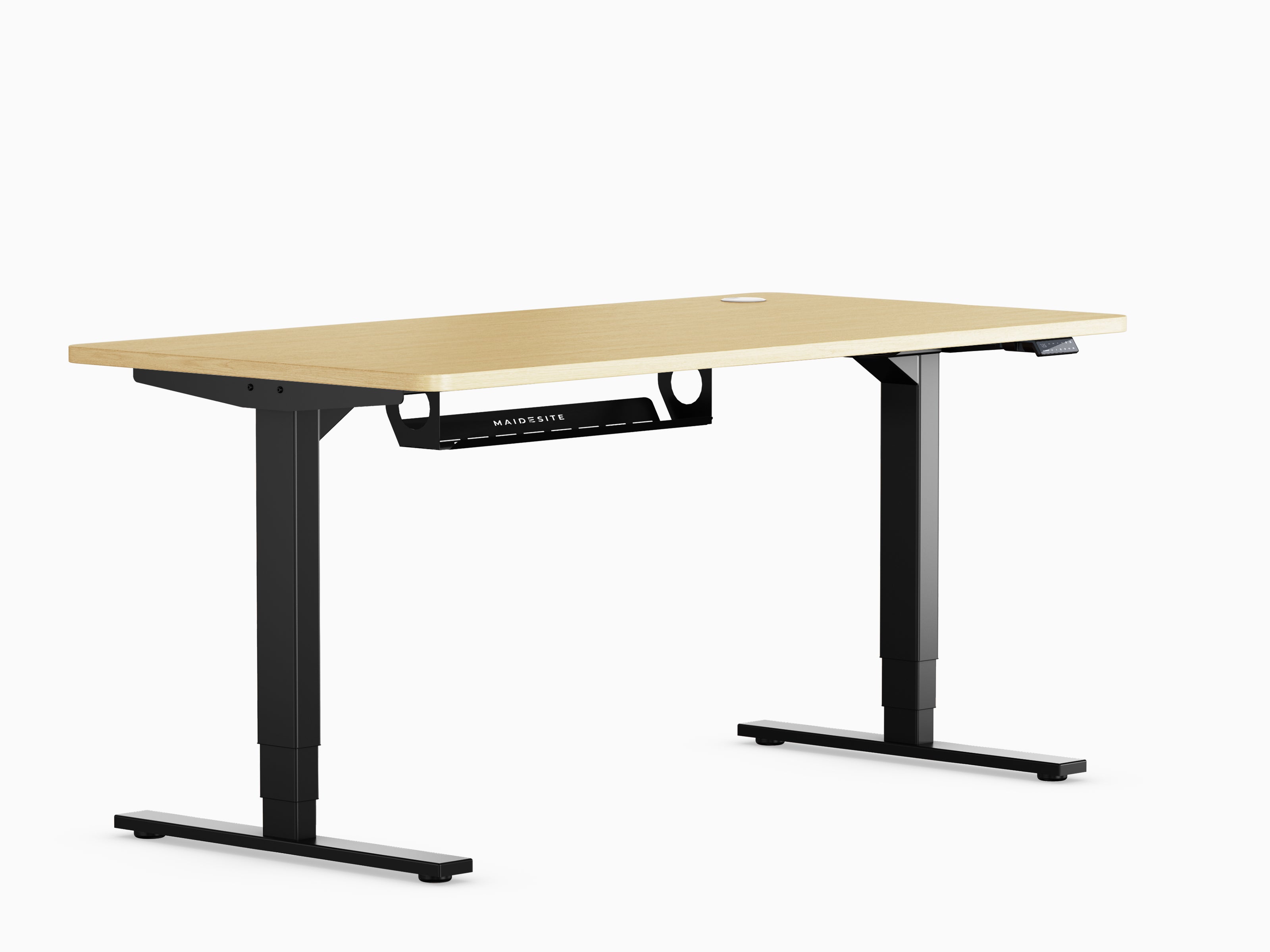
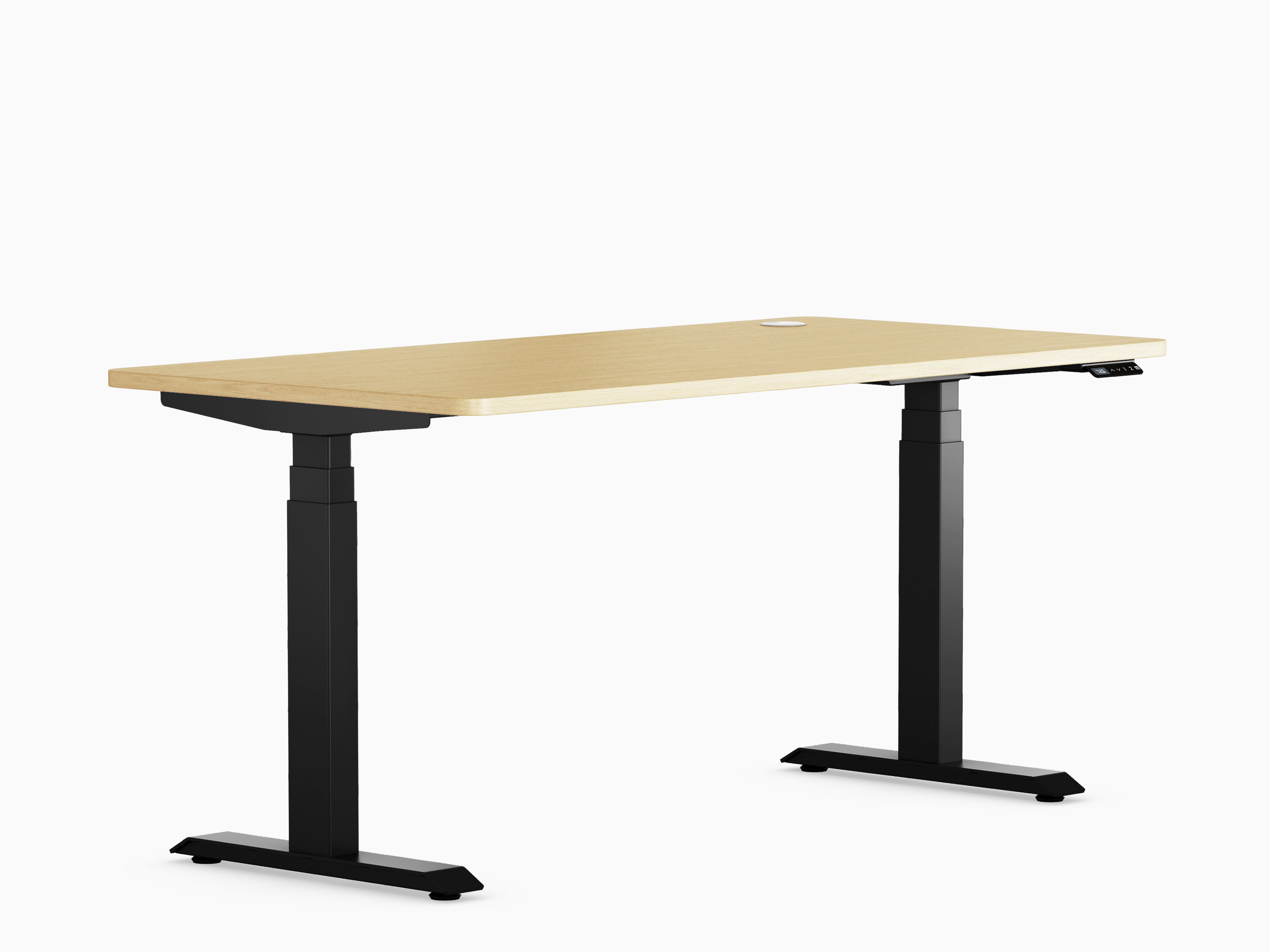
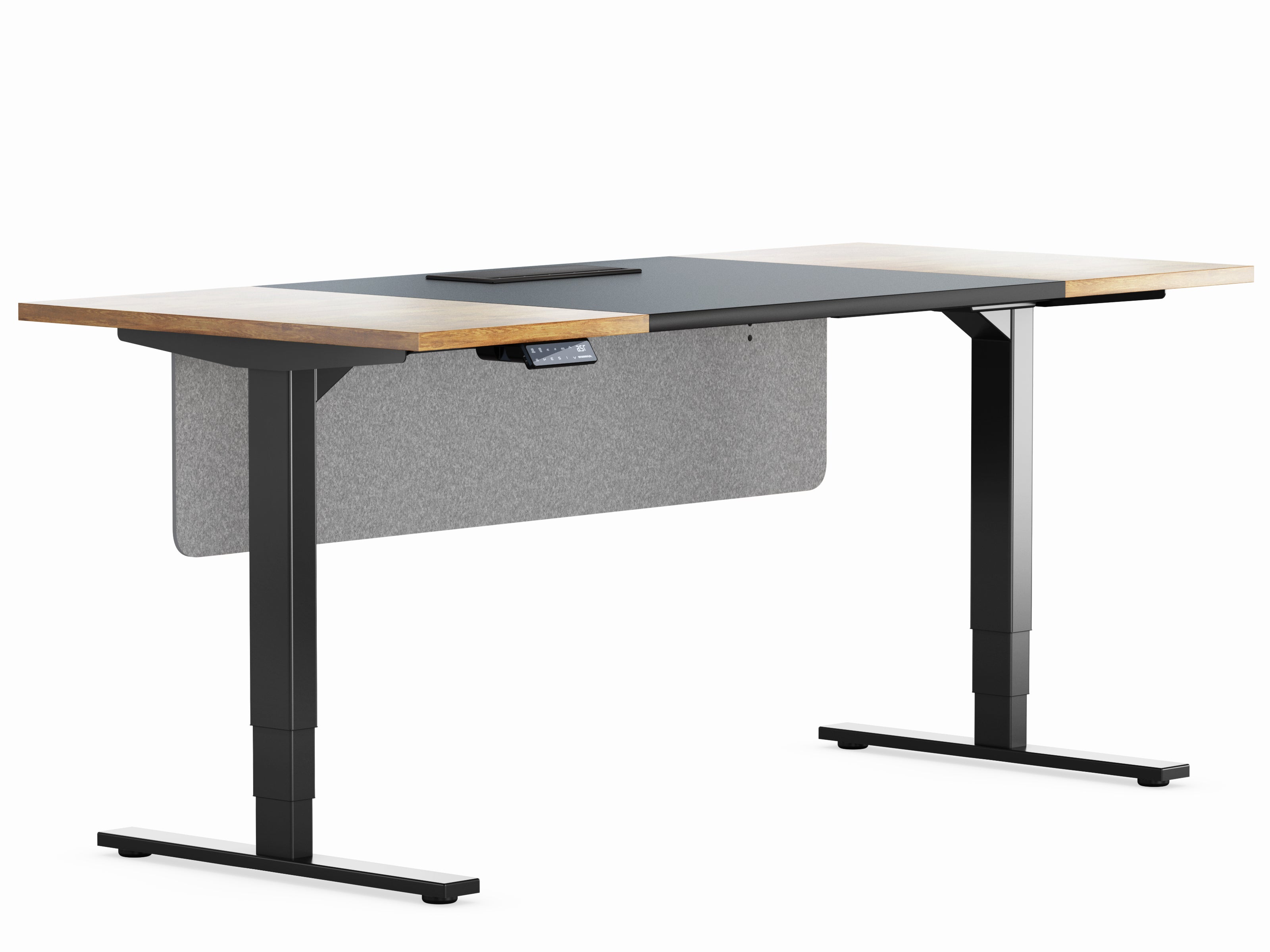
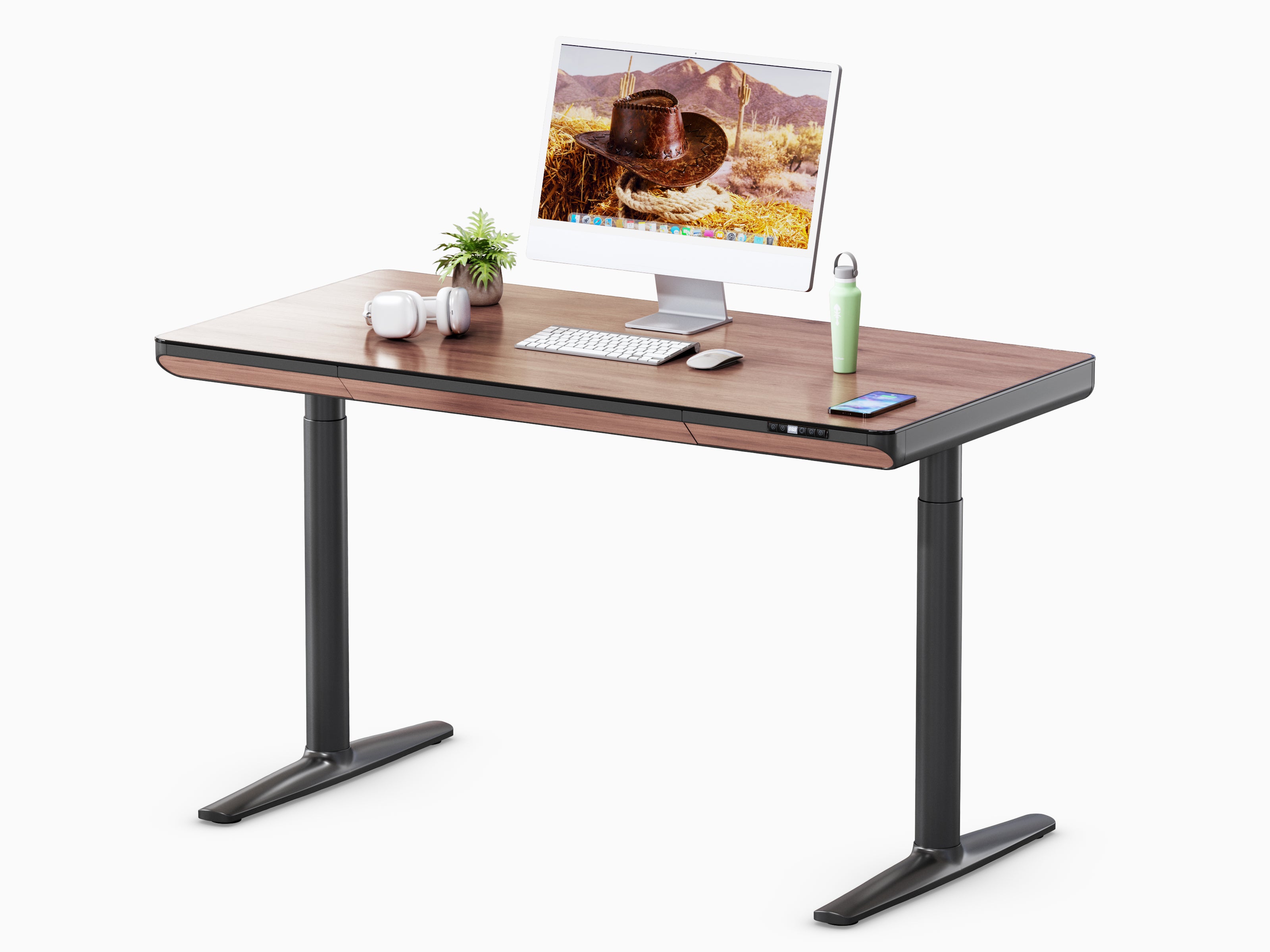
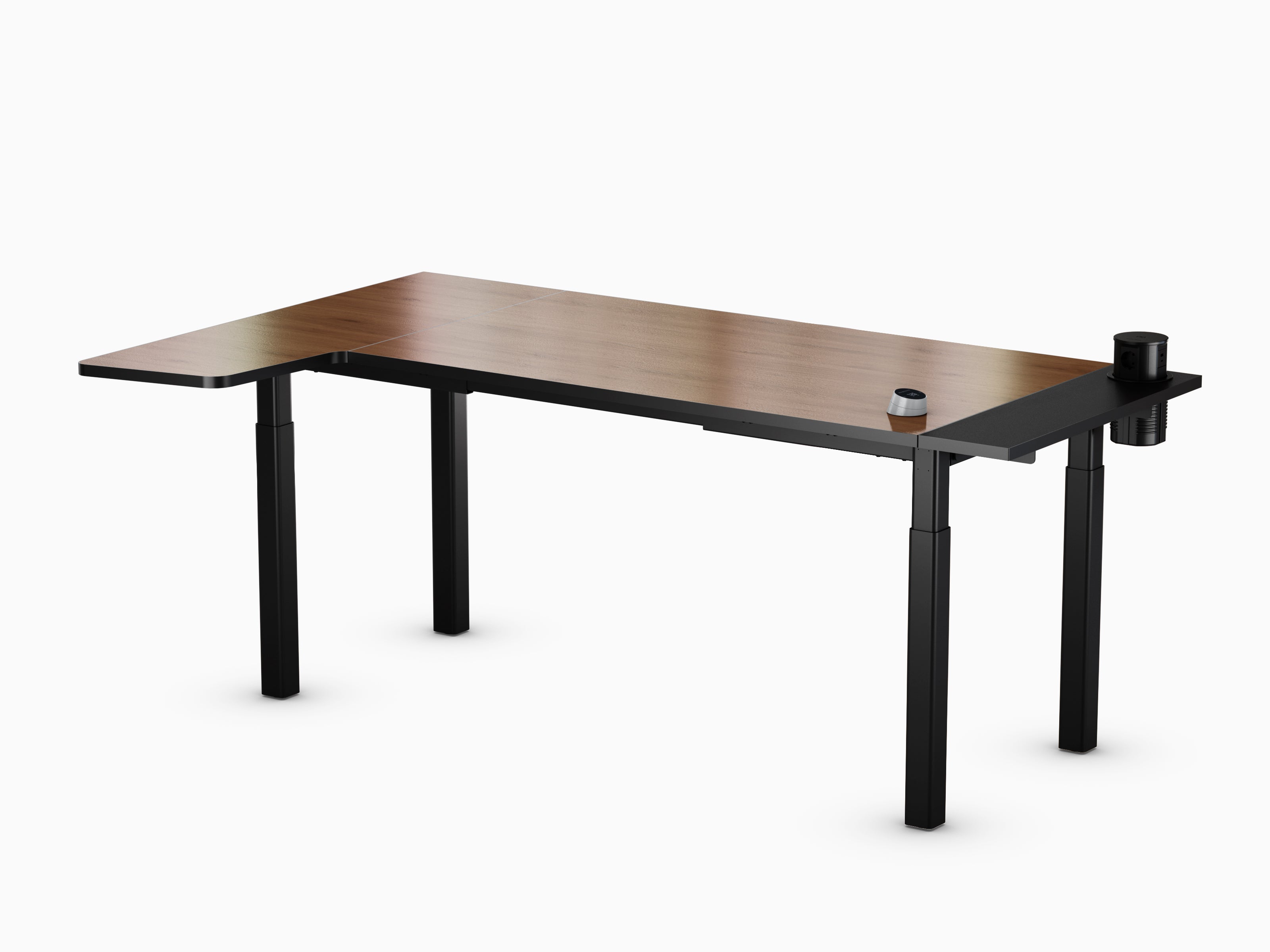
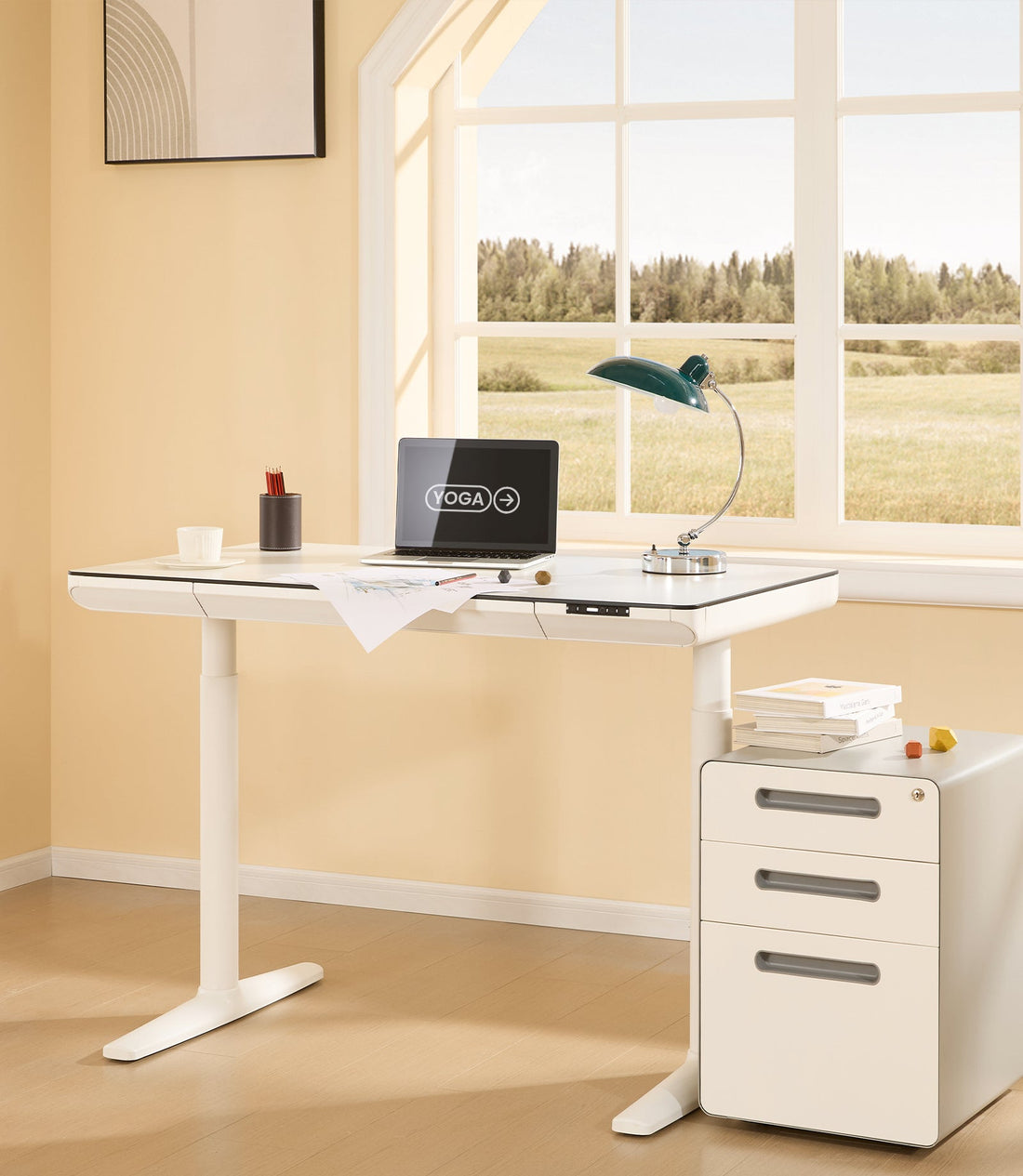
In today's modern work environment, many of us spend a large part of the day sitting. This can cause real problems in the long run. But there's a simple solution: the height-adjustable desk . What are the advantages, and is it worth the investment? We'll examine the most important aspects.

What are the advantages of a height-adjustable desk?
A height-adjustable desk, often also called a sit-stand desk, offers a surprising number of benefits for our health and performance. The biggest advantage is the significant relief for the back and neck. Those who sit for long periods put a lot of strain on their spine; alternating between sitting and standing prevents tension. This also promotes better posture. We adjust the table perfectly to our height, whether we're sitting or standing. This is good for the intervertebral discs and strengthens our muscles.
Our circulatory system also benefits. Regularly getting up stimulates blood flow, reduces swelling in the legs, and combats fatigue. In the long term, this can even lower the risk of chronic diseases such as diabetes or heart problems, as prolonged sitting is considered a risk factor. We also burn more calories while standing – a small contribution to our calorie intake. Overall, this leads to fewer musculoskeletal disorders.
But it's not just about health. Height-adjustable desks often also improve concentration and productivity. Moving around keeps you mentally alert, resulting in more energy and fewer afternoon slumps. Furthermore, a dynamic workplace contributes to a better working atmosphere and more satisfied employees. Best of all, it promotes a more active lifestyle overall.

Why should I even work standing up?
The question is valid: Why exactly work while standing? The answer is simple: Our bodies are made for movement, not for prolonged sitting. Prolonged sitting is a major cause of pain in the back, neck, and shoulders. Standing helps to straighten the spine and activate the core muscles, preventing tension. It improves posture naturally.
Standing also boosts blood circulation, especially in the legs, and reduces the risk of swelling or venous disorders. Metabolism is stimulated; we burn more calories when standing. This can reduce the long-term risk of obesity and other metabolic diseases. Some even say, "Sitting is the new smoking," to highlight the health risks. At the same time, standing strengthens muscles and promotes deeper breathing, which improves the oxygen supply to our brain.
Besides the physical benefits, standing also leads to greater mental clarity and increased productivity. We feel more alert, focused, and have more energy throughout the day. Even communication can improve, as standing often makes you appear more present. In short: standing is a simple way to integrate more healthy movement into your workday.

Is a height-adjustable desk worth it?
Absolutely, investing in a height-adjustable desk is worthwhile for most people who spend a lot of time at their desks. It's a long-term investment in your health. The initially higher costs (basic models start at €200, electric ones at €500-700) often pay for themselves quickly. Fewer back problems mean fewer doctor's visits or physiotherapy sessions.
The potential productivity gains are also considerable. Studies show that users can be up to 46% more productive, as improved blood circulation and increased alertness promote concentration. Another advantage is its high degree of flexibility. The desk adapts perfectly to different users, which is very practical in modern offices with changing workstations.
There are few disadvantages: It's more expensive and usually heavier than a simple desk. Electric models require electricity. And a short adjustment period is necessary. But the advantages far outweigh the disadvantages.

Do I need a height-adjustable desk?
Whether you "need" one depends on your lifestyle. If you spend many hours a day sitting (more than 6-8 hours), then the clear answer is: Yes, you probably need one. This "sedentary lifestyle" carries serious health risks, from back pain to cardiovascular problems. A height-adjustable desk helps to actively minimize these risks.
Do you already suffer from back or neck pain? Then a desk like this can provide real relief. It's also worth considering if you want to boost your concentration and energy levels. It's an ideal component for a more active lifestyle. Those who are already very active at work or rarely sit at a desk may not necessarily need one. And for certain physical limitations, you should seek medical advice. Overall, however, it's a very worthwhile purchase for most office workers.

Are there any disadvantages to standing at a desk?
Yes, there are downsides if you overdo it or do it wrong. Standing for too long, in a monotonous way can strain your feet, legs, and joints. Swelling, foot pain, or even an increased risk of varicose veins can result. Your lower back can also hurt if you maintain poor posture while standing.
Standing for too long can also tire the muscles. In short: standing alone is not the solution, just as sitting alone is not. The key lies in variety .
To avoid the disadvantages, proper ergonomics are crucial. Comfortable, supportive shoes are a must. An anti-fatigue mat can reduce pressure on the feet. And of course, the monitor, keyboard, and mouse must be correctly positioned, even when standing.

Should I have a chair for my standing desk?
A resounding yes! A chair is absolutely essential, even if you have a height-adjustable desk. The main advantage of these desks lies precisely in the dynamic alternation between sitting and standing. This allows you to avoid the disadvantages of standing for too long and enables your body to alternate between movement and recovery.
An ergonomic office chair with numerous adjustment options is the best choice. It should be adjustable to your body dimensions and promote dynamic sitting. Standing aids or active stools can also be useful additions. These support some of your body weight, relieve pressure on your legs, and simultaneously encourage small movements.
It's important not to stick to just one position. The recommendation is often: 20 minutes sitting, 8 minutes standing, 2 minutes light movement – and repeat this regularly. A height-adjustable desk makes this flexible way of working ideal. It's a tool that only unfolds its full potential when combined with a good chair, thus creating a truly healthy and productive workspace.


