









Finally sleep better: The workplace trick nobody knows about

You probably know the problem.
In the evening, you collapse into bed completely exhausted. Your eyes burn, your head aches – but sleep just won't come. Or you wake up tired in the morning, as if you hadn't slept at all.
Your alarm clock rang ten hours later. Sleep problems have become commonplace today. They are often more closely linked to our daily lives than we realize.
Your desk is to blame for your poor sleep.

You might be thinking, "What does my desk have to do with my sleep?" A great deal! It's not just about how you work. It's also about what your workspace looks like.
Working effectively at your desk can save your sleep. Sounds interesting, right? Let's find out together how you can make your nights more restful again with clever changes to your workspace.
Why your body can't rest after work
Tension wakes you up at night
Imagine sitting in front of a screen for eight hours with your shoulders hunched. Add to that a rounded back and your head jutting forward. That's pure stress for your body!
Such incorrect postures lead to tension in the neck, shoulders, and back. This pain makes it difficult to find a comfortable sleeping position in the evening. You toss and turn in bed because everything hurts.
Screens keep you artificially awake
Your body has an internal clock. It's controlled by light. When it gets dark, it produces melatonin – the sleep hormone that makes you tired.
But here's the problem: Screens emit a lot of blue light. This blue light signals to your brain "Daytime!" and inhibits melatonin production. So if you check emails right before bed, you're telling your body: "Stay awake!"
The result? You're lying in bed wide awake, even though you're actually tired.
Mental stress prevents good sleep.
Work pressure, deadlines, constant availability – our daily work life can be incredibly stressful. When your mind is full of unfinished tasks in the evening, it's hard to switch off. This mental stress leads to racing thoughts that keep you from falling asleep.
Or you might fall asleep, but your sleep is restless and shallow. This happens because your brain is still in "problem-solving mode." The constant tension prevents your nervous system from calming down.

Your plan for better sleep: Simple steps that really work
Now that we know how closely work and sleep are linked, it's time for solutions! You don't have to completely overhaul your office right away. Even small changes can make a big difference.
A. Set up your workspace cleverly

The office chair : your best friend! Adjust it so that your feet are flat on the floor. Your knees should form approximately a 90-degree angle. The backrest should provide good support for your lower back.
The armrests should be high enough that your shoulders are relaxed. This will prevent tension that keeps you awake at night.
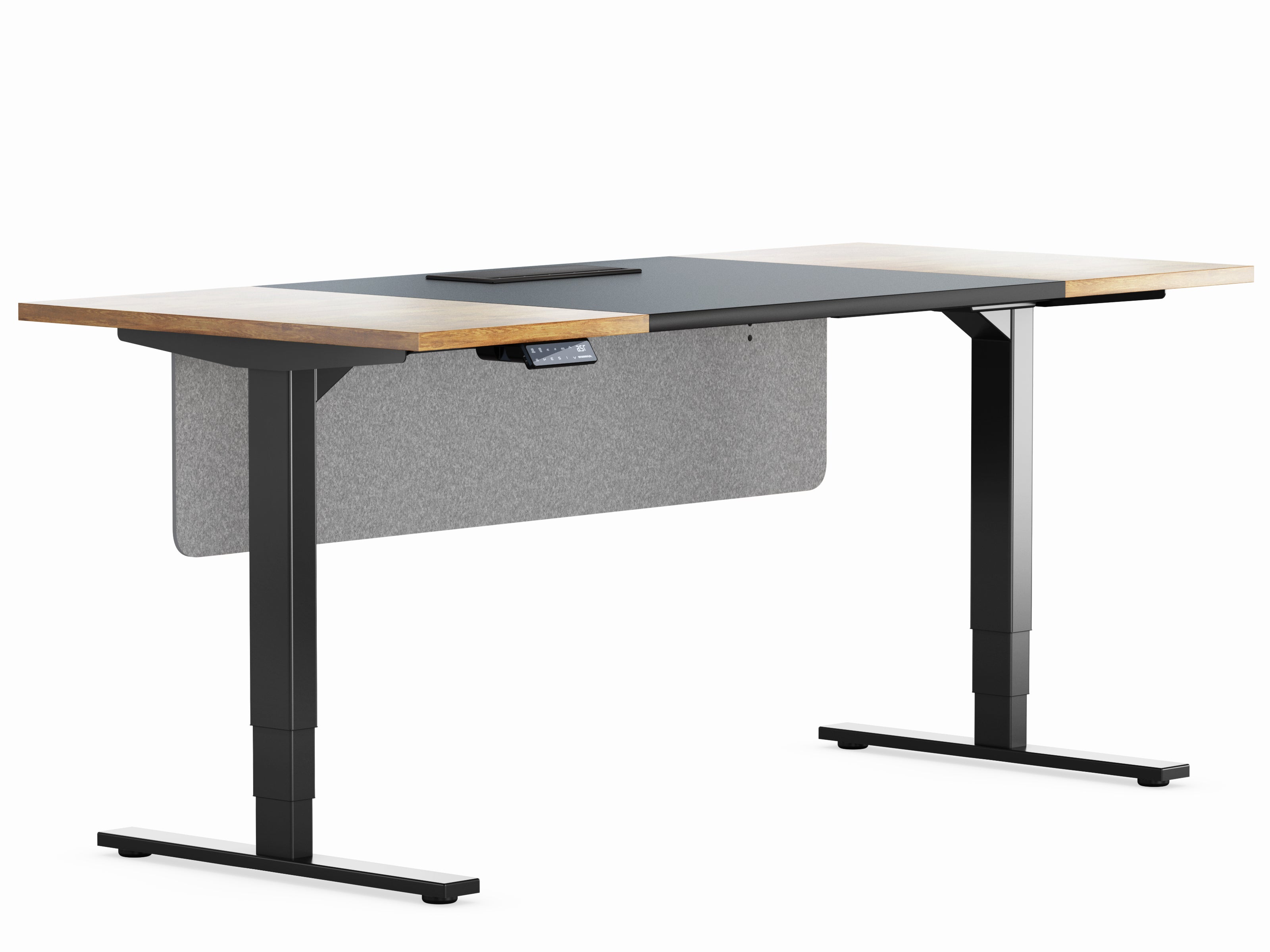
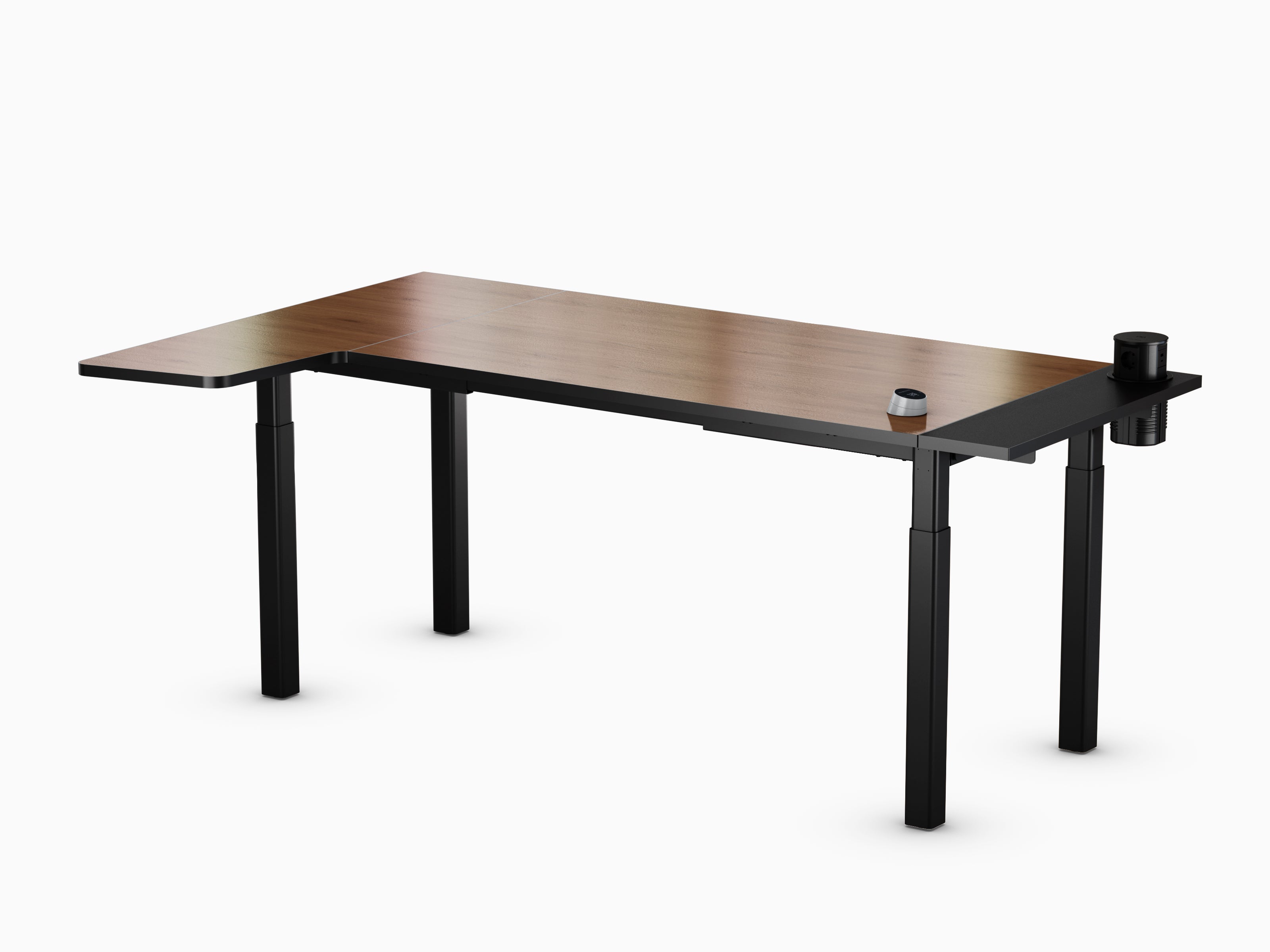
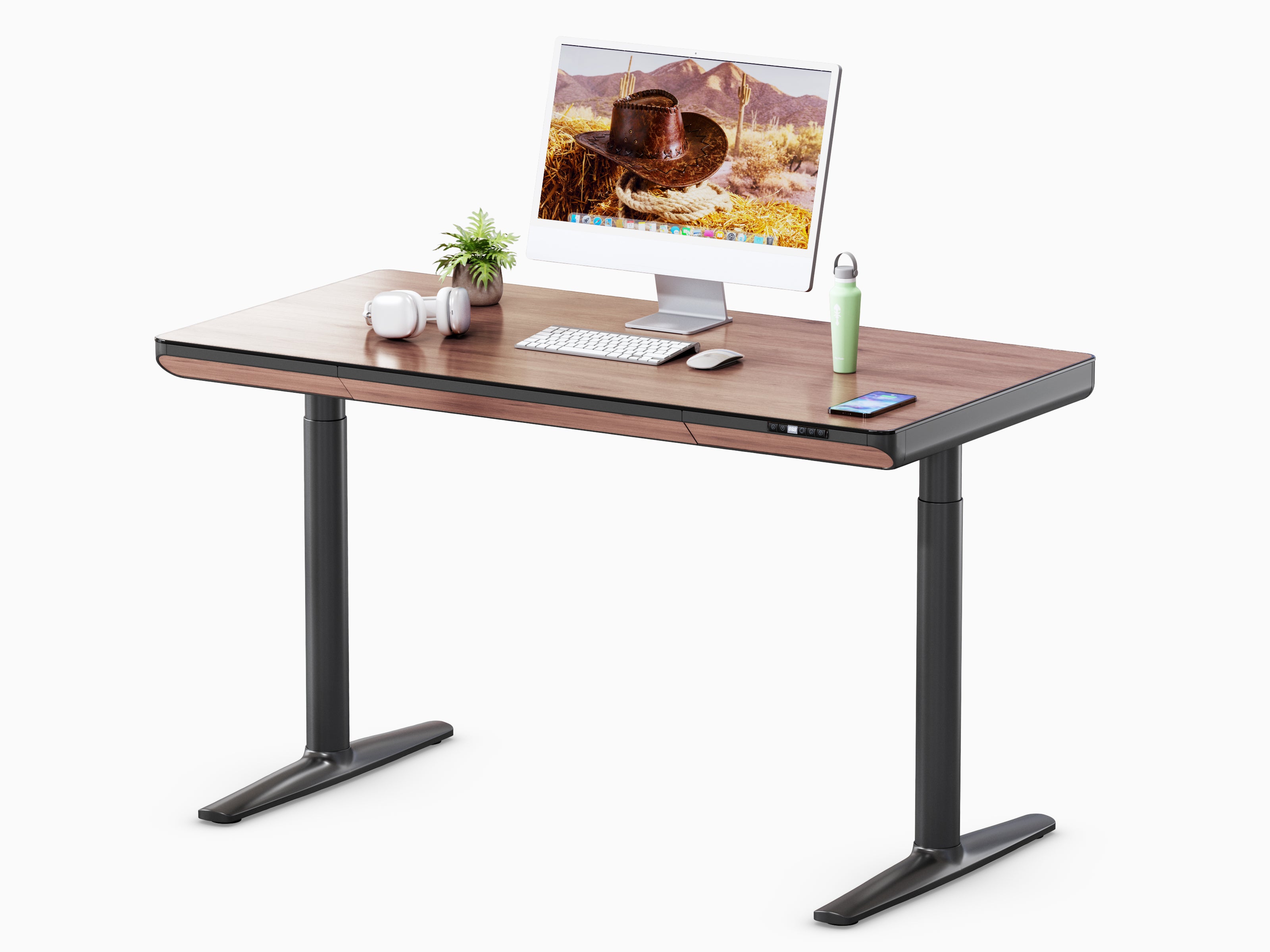
The desk: Higher than you think . Make sure it's high enough. You should be able to rest your arms comfortably without hunching your shoulders. Sufficient space for your keyboard, mouse, and documents is essential.
This way you don't have to tense up and your body stays relaxed.
The screen: Eye level is perfect. Position it so that the top edge is at eye level. This prevents you from having to tilt your head too far up or down. The distance should be about an arm's length.
This protects your eyes and neck.
Keyboard and mouse: Protect your wrists. If possible, use special models that relieve strain on your wrists. Make sure your wrists remain straight while typing and clicking.
Lighting: Natural light is invaluable . Use as much natural light as possible. Supplement it with a desk lamp if needed. It should illuminate your work area well without causing glare.
B. Exercise is the key to better sleep

Sitting for hours on end is poison for your body and therefore also for your sleep. Get up regularly!
Regular breaks: Take a short break every 30-60 minutes. Stand up, stretch, walk around the office or to the window. Your body will thank you.
Small exercises: Right at your desk, circle your shoulders, stretch your neck, do a few squats. There are many simple exercises you can do right at your desk.
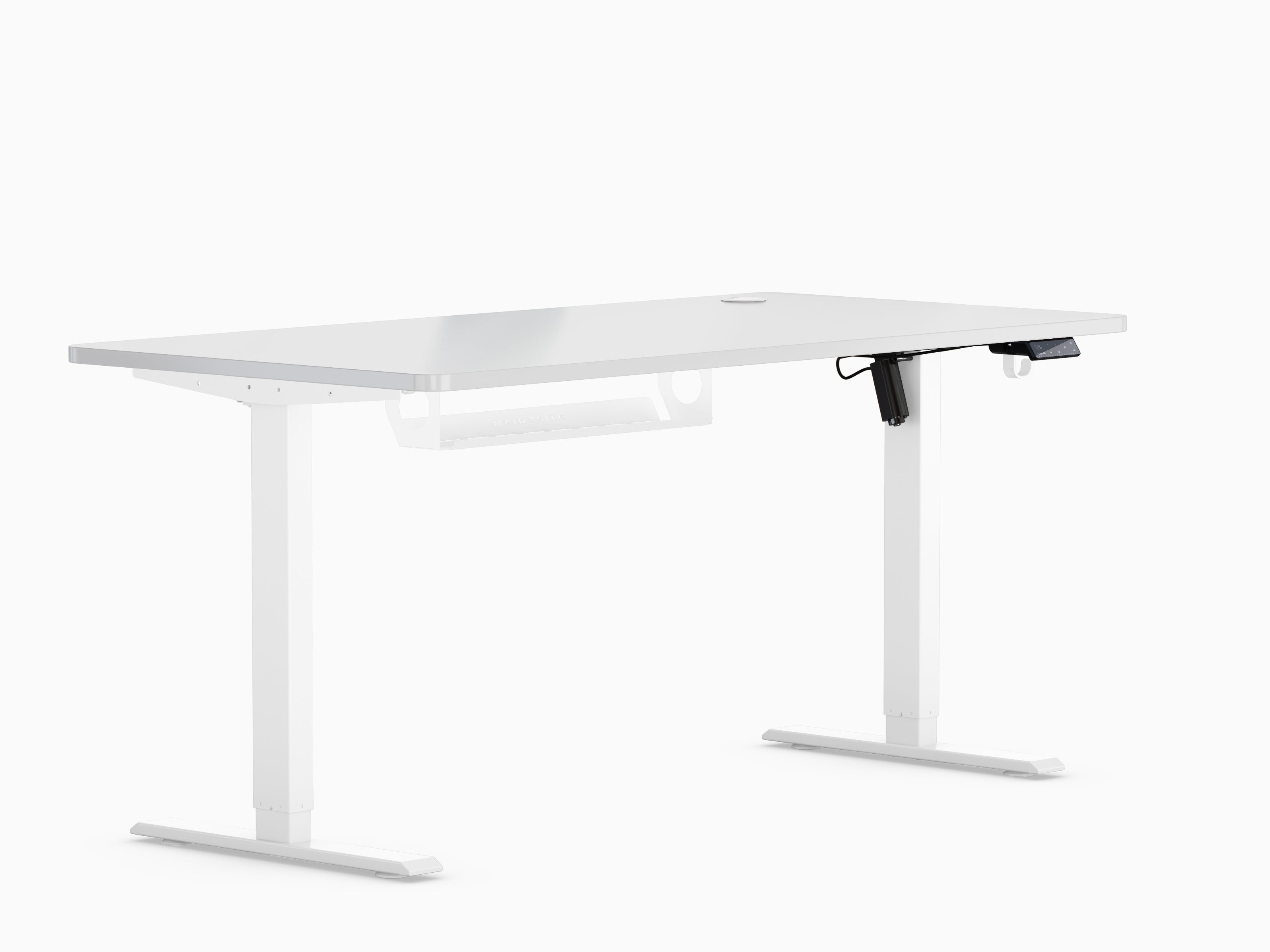
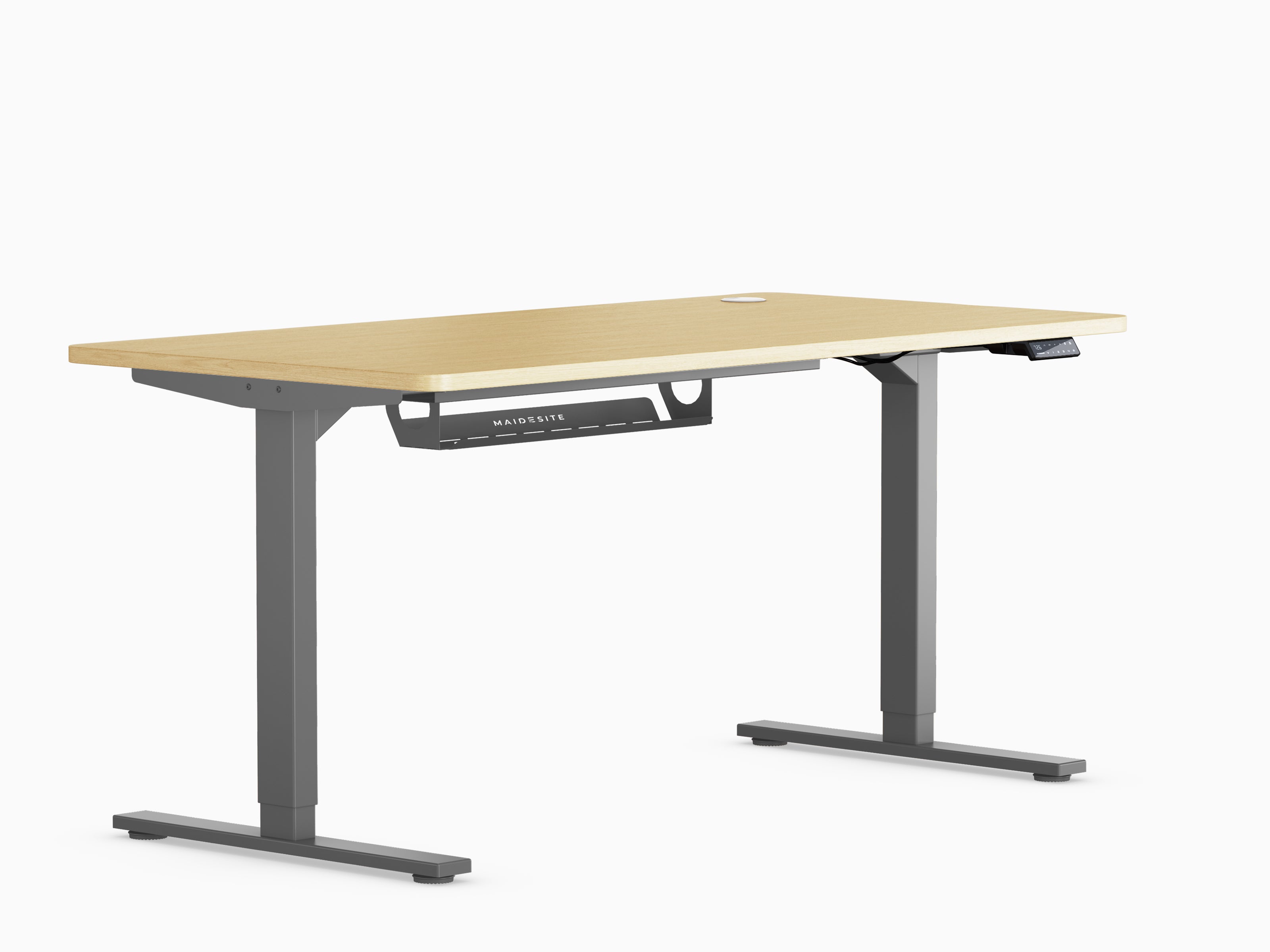
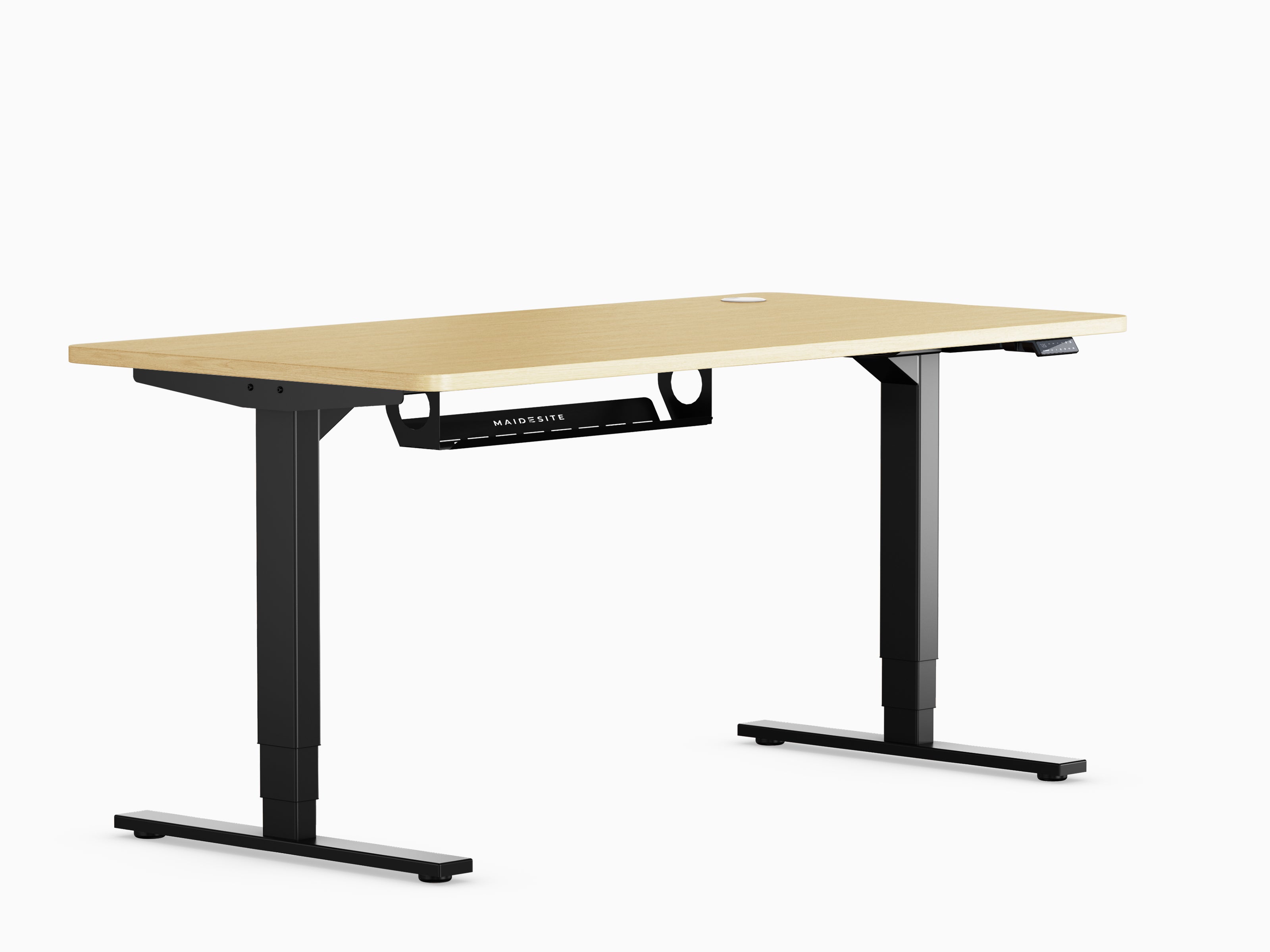
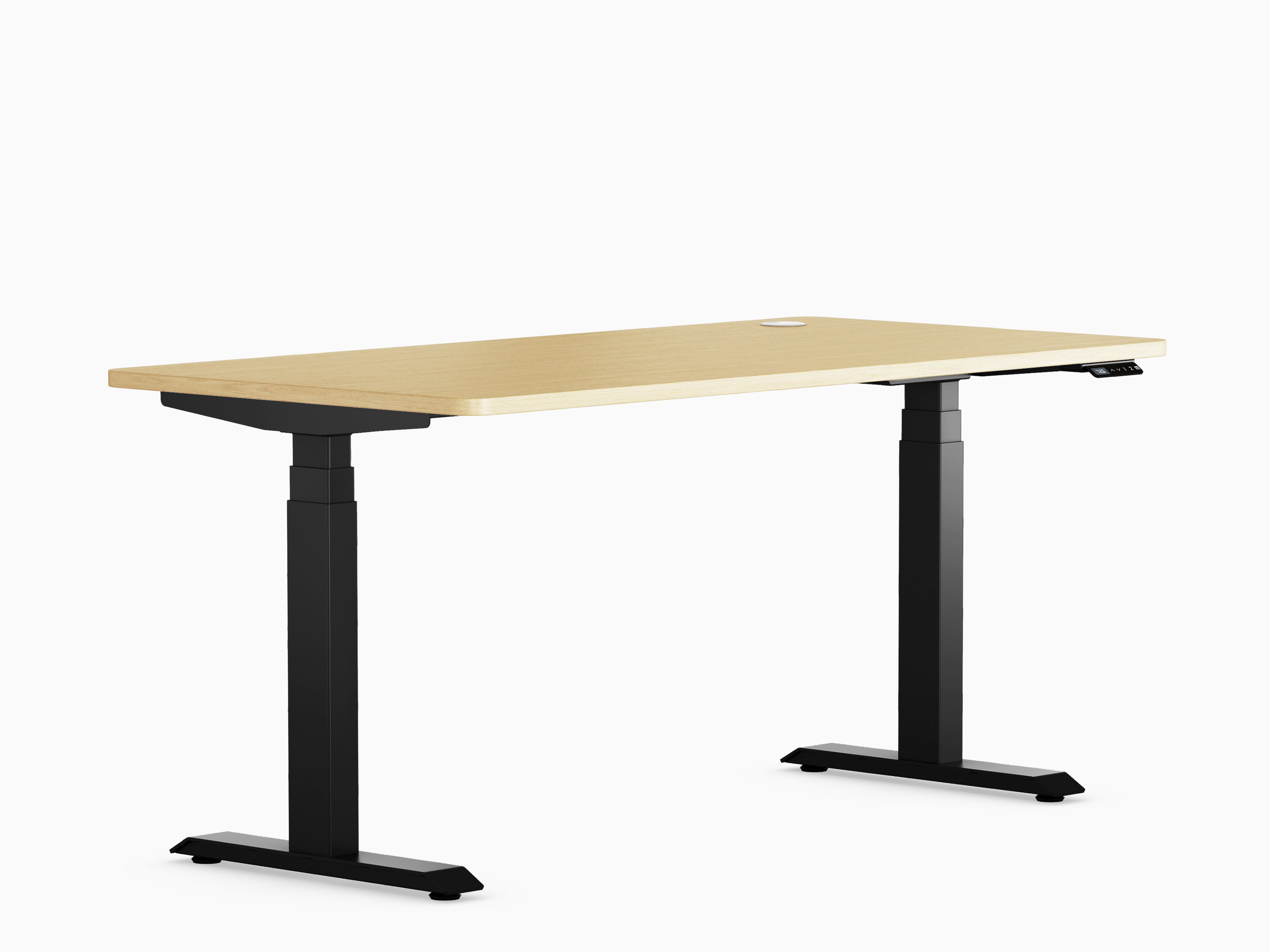
Sit-stand desk: Use it if possible. If you have the option, a height-adjustable desk is invaluable. Switch between sitting and standing frequently.
Outside of work: Schedule regular times for exercise. Whether it's sports, a walk in the park, or cycling – exercise helps you reduce stress. It perfectly prepares your body for sleep.
C. Digital detox in the evening: The most important thing for your sleep

This is perhaps the most important point for your sleep:
Avoid screens: Put away your smartphone and tablet and turn off your PC at least 1-2 hours before bedtime. Period.
Blue light filter: If it can't be avoided. If you absolutely have to sit at the computer in the evening, use blue light filter apps. Or the night mode function of your device.
Alternative evening rituals: Find relaxing activities. Read a book (on paper!), listen to relaxing music or a podcast. Take a warm bath, meditate, or have a quiet conversation with your family. These activities prepare your body for sleep.
D. Stress Management: Even at the desk
Your mind needs to calm down before your body can.
Mental breaks: Treat yourself to mental downtime. Close your eyes briefly, take a few deep breaths, stop thinking for a moment. Even 5 minutes of conscious abdominal breathing can work wonders.
Consciously end work: Make a clean break. At the end of the workday, write a short to-do list for the next day. This will clear your mind and allow you to consciously switch off. Leave work at the office or workplace.
Your sleep is worth it – start today!

As you can see, working efficiently at your desk is a smart investment in your health. And the best part is, it directly impacts how well you sleep. When your body is relieved of stress during the day and your mind winds down in the evening, nothing stands in the way of a restful night's sleep.
Start small! You don't have to turn your whole life upside down right away. Choose one thing that's easiest for you and implement it. Maybe it's taking a break from screens in the evening, maybe adjusting your chair, or doing a few stretches.
Your body and your sleep will thank you. Sleep is a cornerstone of your health. Invest in it, and you'll not only feel fitter, but also happier and more productive.
How do you begin your journey to better sleep? Choose one thing today and try it out. Your future self will thank you!


