










Sit-stand desk: How it boosts your mental performance

How a sit-stand desk improves your mental performance
Do you work at your desk for hours every day? Then you know the problem: after a while, your concentration wanes, you feel tired and unproductive. The solution might be simpler than you think: a sit-stand desk. But how exactly can an adjustable desk improve your brain performance?
The problem: Why prolonged sitting is harmful to our brain
Prolonged sitting is often called "the new smoking." And for good reason. When we sit for extended periods, our metabolism slows down.

Poor blood circulation affects the brain
Blood flow to the brain is reduced. This means less oxygen and nutrients for your brain cells. As a result, you feel tired, have more difficulty concentrating, and your mental performance declines. Imagine your brain as an engine – without fresh fuel, it won't run at full speed.
Physical ailments burden the mind
Prolonged sitting leads to poor posture, causing tension in the neck and shoulders. This pain is not only uncomfortable, but also distracting and drains mental energy that you need for your work.

The solution: How a sit-stand desk strengthens your brain
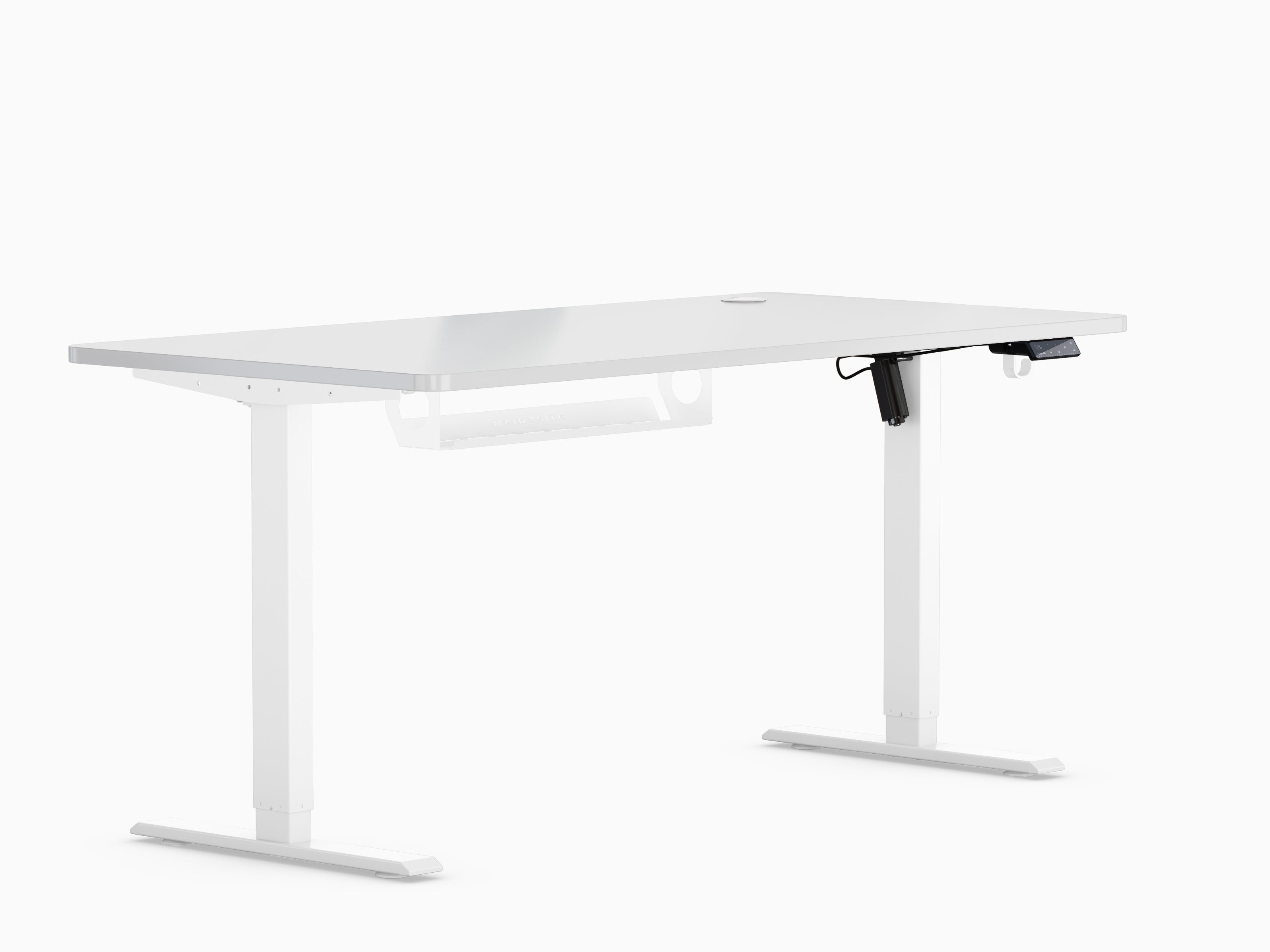
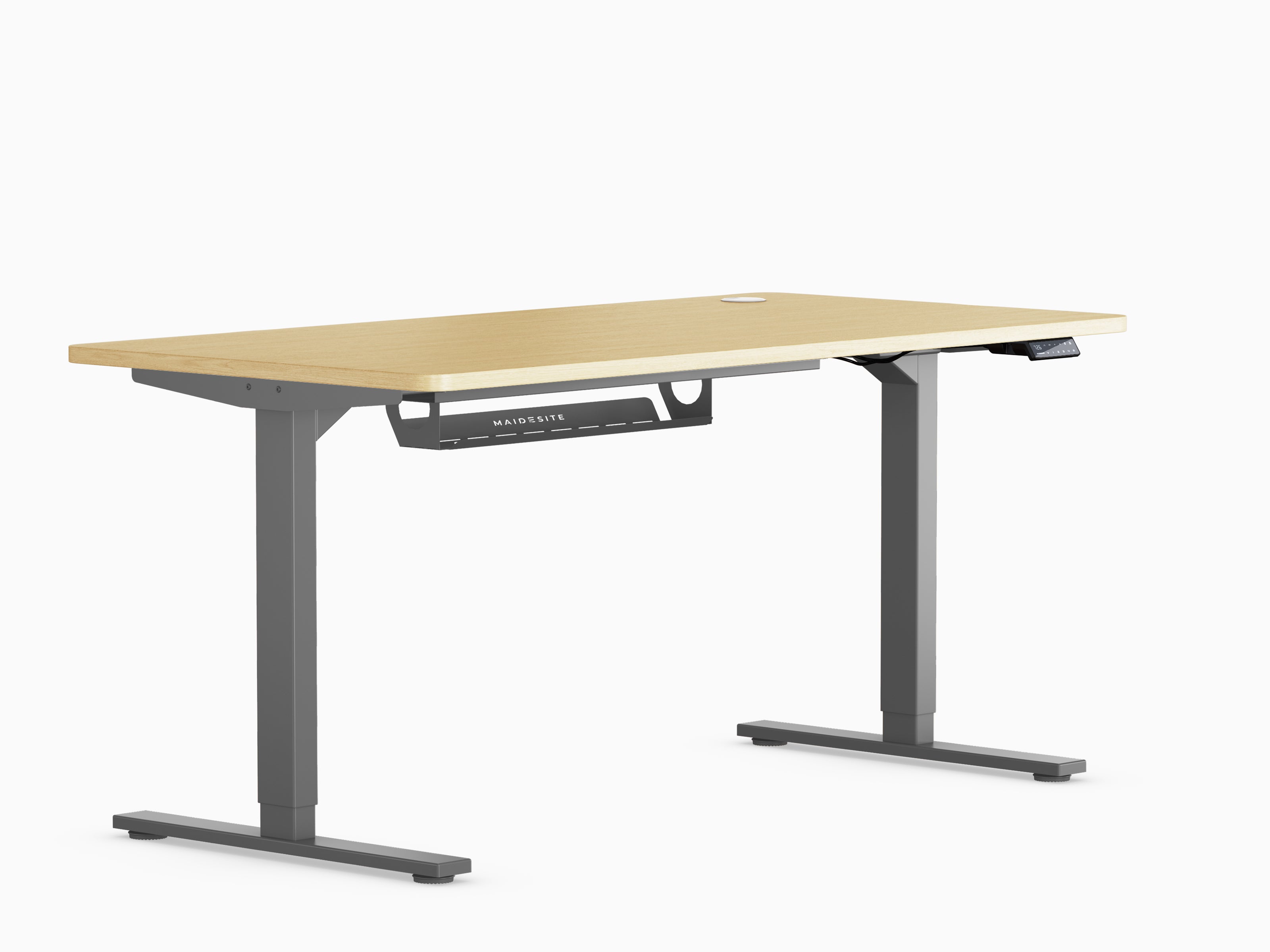
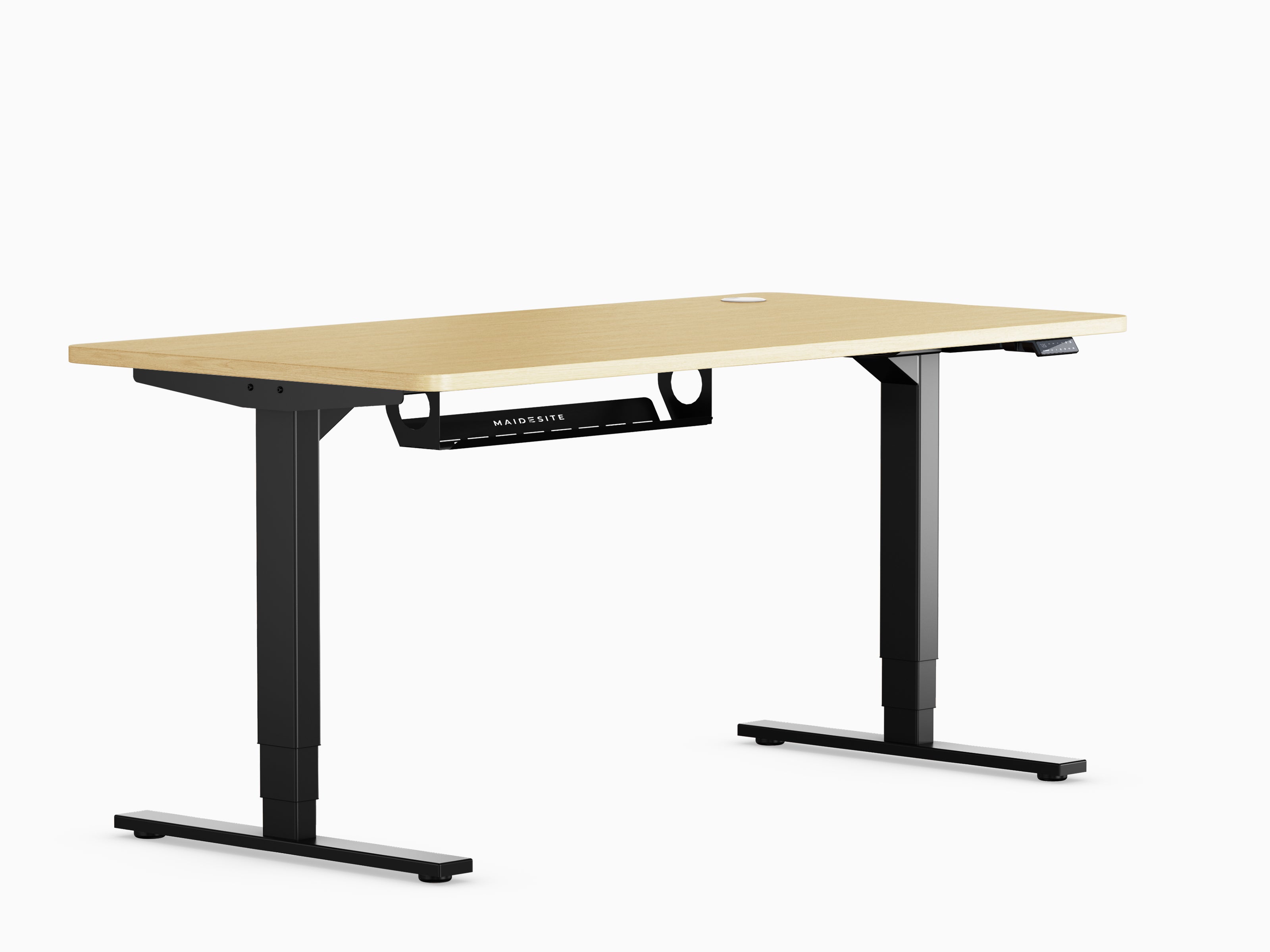
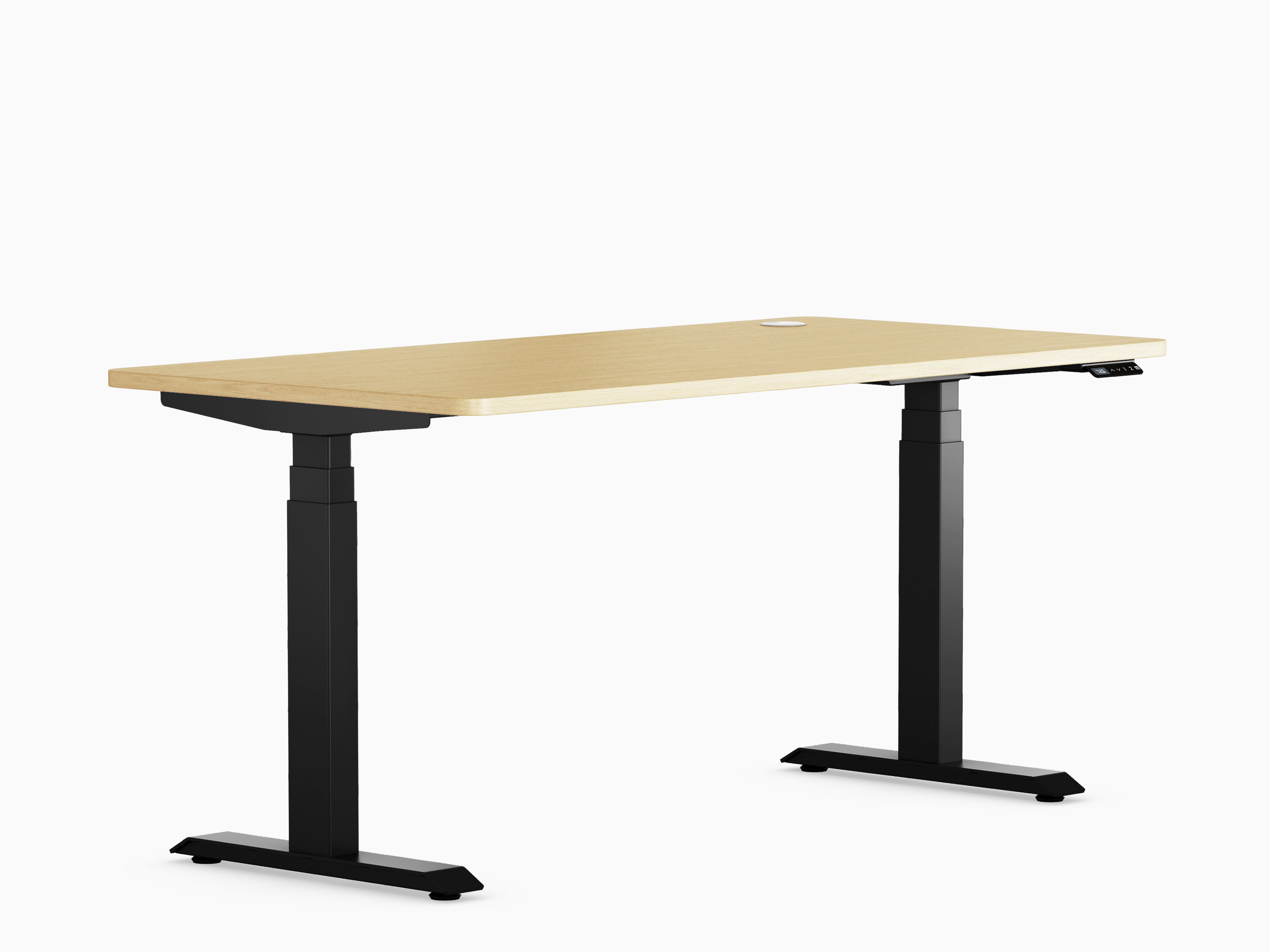
A sit-stand desk allows for flexible switching between sitting and standing. This movement is key to better mental performance.
Increased alertness and concentration
When you stand, your body is more active. This improves blood circulation throughout your body – including your brain. More oxygen and nutrients reach your nerve cells. The result: You are more alert and can concentrate better. Studies show that users of sit-stand desks feel more energetic and less tired.
Improved mood and less stress
Regularly changing your posture stimulates the release of endorphins, the body's natural feel-good hormones. They improve your mood and reduce stress. When you feel better, you're automatically more motivated. A lower stress level also means your brain has more capacity for creative thinking.
Standing promotes creative thinking processes
Standing is not only good for concentration, but also for creativity. Researchers at Stanford University found that people produce significantly more ideas when standing than when sitting. The reason is a combination of better blood circulation and more natural movement. When standing, you gesture more and look around – this stimulates thought processes.
Less pain means more focus
Back pain and neck tension are among the most common office ailments. They drain mental energy: those in pain find it harder to concentrate. A sit-stand desk specifically counteracts these problems. Regular changes in posture keep muscles activated and reduce the likelihood of tension. This allows your mind to remain free for what matters most – your work.
Less fatigue through dynamic work
Although it sounds paradoxical, standing can reduce fatigue. Prolonged sitting leads to static strain, which tires the body. Alternating between sitting and standing keeps the body and mind more active, making you less susceptible to exhaustion throughout the day.

Practical tips: How to make the most of your sit-stand desk
To achieve maximum benefits, follow these tips:
Start slowly and find a rhythm
Start with short standing periods of 15-30 minutes per hour. Gradually increase the time. Your body needs time to adjust to the new way of working.
Pay attention to your own body
Alternate between sitting and standing as soon as you feel uncomfortable. There's no one-size-fits-all solution. Find your own rhythm.
Keep moving
Even while standing, you should move around. Shift your weight from one foot to the other. Do some light stretching exercises in between.
Pay attention to ergonomic settings
Adjust your screen correctly. The top edge should be at or slightly below eye level – both when sitting and standing. An anti-fatigue mat can significantly improve comfort when standing.

Conclusion: Invest in your mental performance
A sit-stand desk is an effective tool for improving mental performance. By alternating between sitting and standing, you improve blood circulation and reduce stress. You alleviate pain and create the foundation for a more focused and creative workday. Investing in a sit-stand desk is an investment in your mental well-being.


