










Exercise in the office: Why prolonged sitting makes you sick and what helps

Modern office life often requires employees to sit at their desks for hours on end – a practice increasingly common in today's sedentary work culture. What may seem harmless at first glance, however, poses significant risks to physical and mental health. From chronic pain and cardiovascular disease to obesity and mental health problems, the consequences of prolonged sitting are far-reaching. It is crucial to recognize these dangers and take effective steps to improve well-being and productivity. This article explores the health risks of prolonged sitting, drawing on findings from renowned institutions such as the Mayo Clinic, the NHS, and leading medical schools, and offers practical solutions for risk reduction.
Health risks of prolonged sitting

A. Musculoskeletal disorders
Prolonged sitting, especially with poor posture, is a leading cause of musculoskeletal disorders. Constant inactivity weakens muscles, particularly in the torso, back, and legs, leading to chronic pain in the neck, shoulders, and lower back. Research from the Mayo Clinic shows that prolonged sitting can cause spinal misalignments, increasing the risk of degenerative conditions such as herniated discs and osteoarthritis. Poor ergonomics exacerbate these problems, as hunched posture or incorrect chair height puts additional pressure on the spine and joints. In the long term, these conditions can lead to permanent limitations and a reduced quality of life.
B. Risks to cardiovascular health
Prolonged sitting significantly impairs cardiovascular health by reducing blood flow. When we sit for hours, the muscles in our legs and lower body are barely used, which slows blood flow. This can lead to blood pooling in the extremities, impairing the body's supply of oxygen and nutrients. Over time, this increases the risk of arterial plaque buildup, a precursor to atherosclerosis, a leading cause of cardiovascular disease.
According to the American Heart Association (AHA), people who sit for long periods often have higher blood pressure and elevated cholesterol levels, increasing their risk of coronary heart disease. Even regular exercise cannot completely counteract the negative effects of prolonged sitting. Inactivity reduces heart rate variability and impairs the ability of blood vessels to dilate properly, further raising blood pressure. In the long term, this can lead to serious cardiovascular events such as heart attacks and strokes.
C. Metabolic disorders and obesity
Prolonged sitting slows down metabolism because the muscles are barely active. This leads to fewer calories being burned and more fat being stored. A slow metabolism promotes weight gain, which in turn increases the risk of obesity and type 2 diabetes. Research from the Harvard T.H. Chan School of Public Health shows that prolonged inactivity can lead to insulin resistance, which impairs blood sugar control. Furthermore, sedentary behavior reduces muscle mass and mitochondrial function, further weakening metabolism. Regular exercise, such as short walks or light workouts, can boost metabolism and help prevent obesity and diabetes.
D. Impact on mental health
Prolonged sitting can also negatively impact mental health by increasing stress and fatigue. Constant inactivity often leads to a lack of energy, causing both physical and mental exhaustion. This condition can exacerbate feelings of stress and make it harder to cope with everyday challenges. Furthermore, a sedentary lifestyle is linked to an increased risk of anxiety and depression. Studies show that inactivity can disrupt mood regulation, potentially leading to a vicious cycle of lethargy and negative thoughts. The NHS emphasizes that exercise promotes the release of endorphins, which are natural mood enhancers.
E. Other health risks
Besides musculoskeletal and cardiovascular problems, prolonged sitting poses further risks. A particular danger is deep vein thrombosis (DVT), in which blood clots form in the deep veins, usually in the legs, due to poor circulation. These clots can become life-threatening if they break loose and travel to the lungs, causing a pulmonary embolism. Furthermore, a sedentary lifestyle leads to a general decline in physical fitness. Without regular exercise, muscle strength and endurance decrease, increasing the risk of chronic diseases and lowering energy levels.
Effective solutions for risk reduction

A. Ergonomic workplace design
An ergonomically designed workspace is crucial for reducing physical strain. Adjustable chairs , desks, and monitor mounts help maintain a healthy posture and reduce the risk of musculoskeletal disorders. The NHS recommends positioning the monitor at eye level, keeping your feet flat on the floor, and supporting your lower back to relieve pressure on the spine.
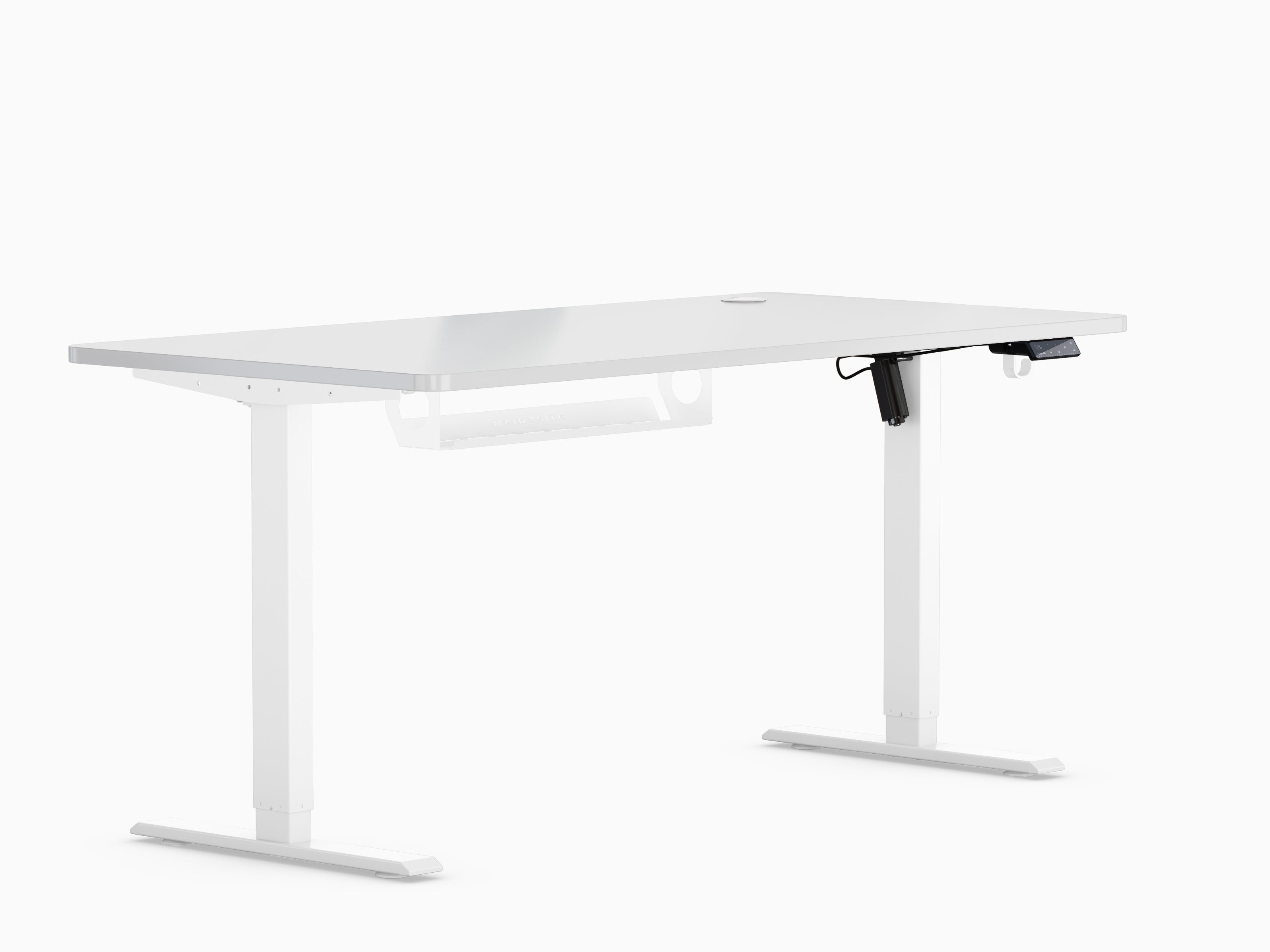
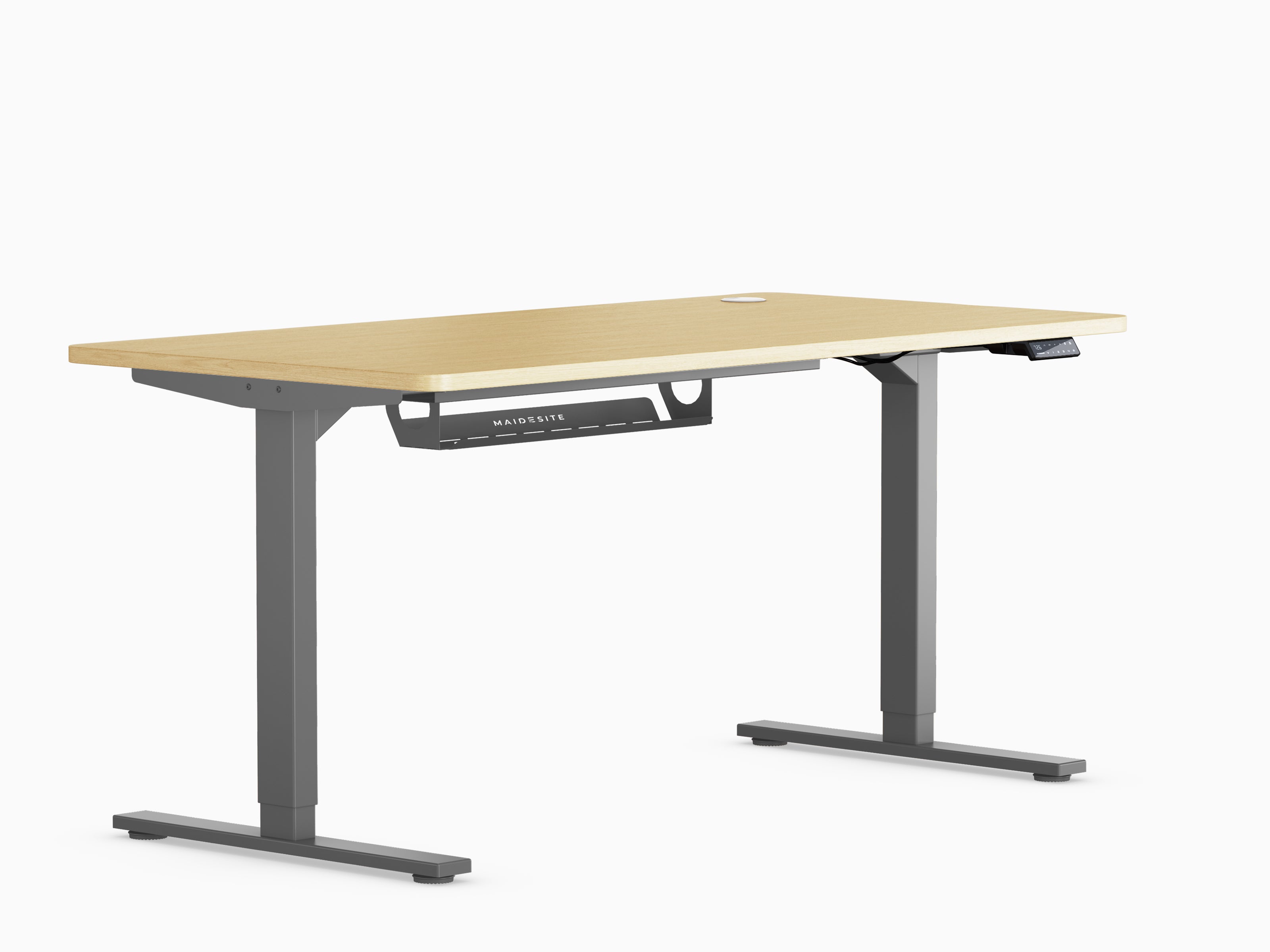
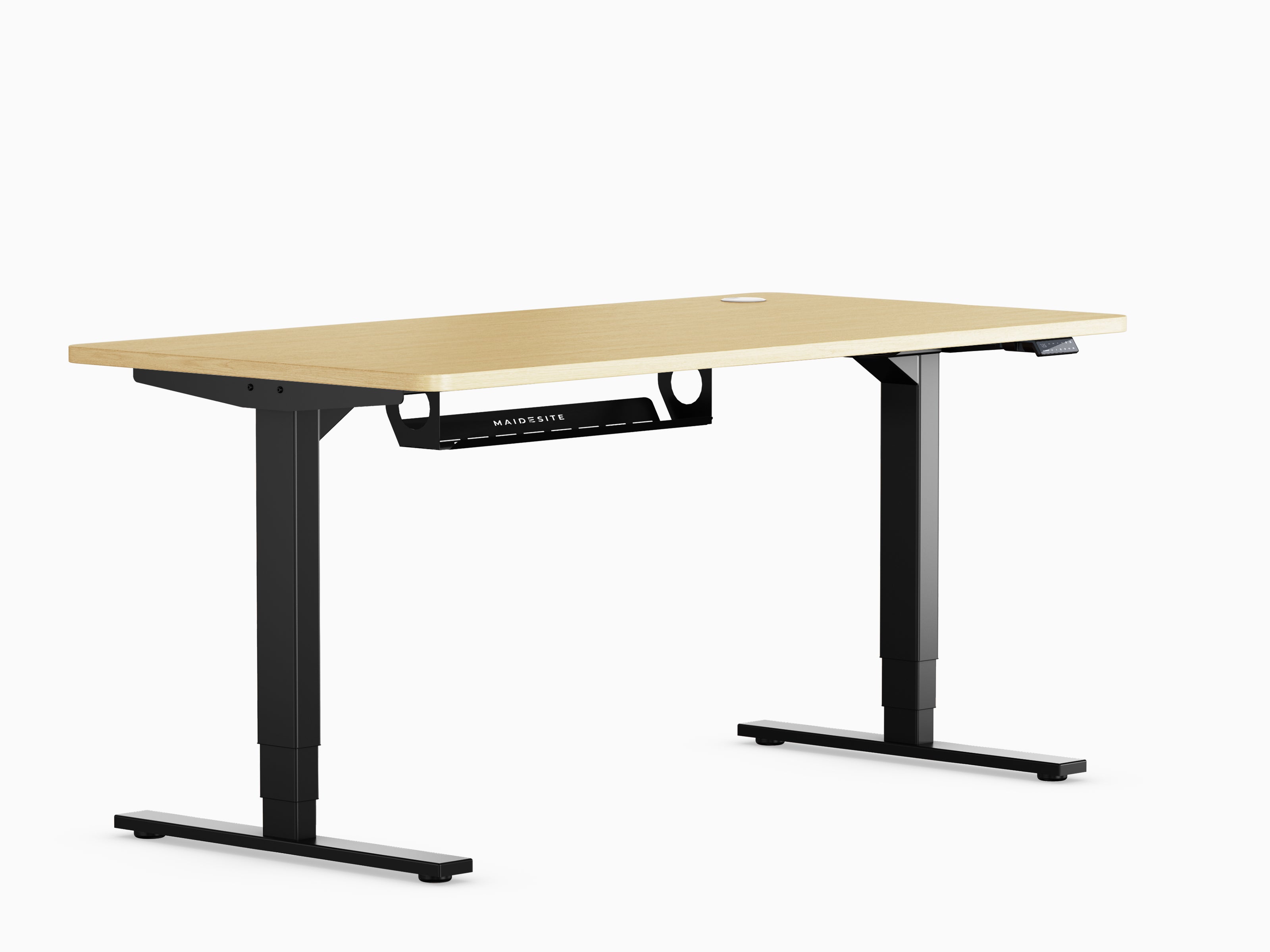
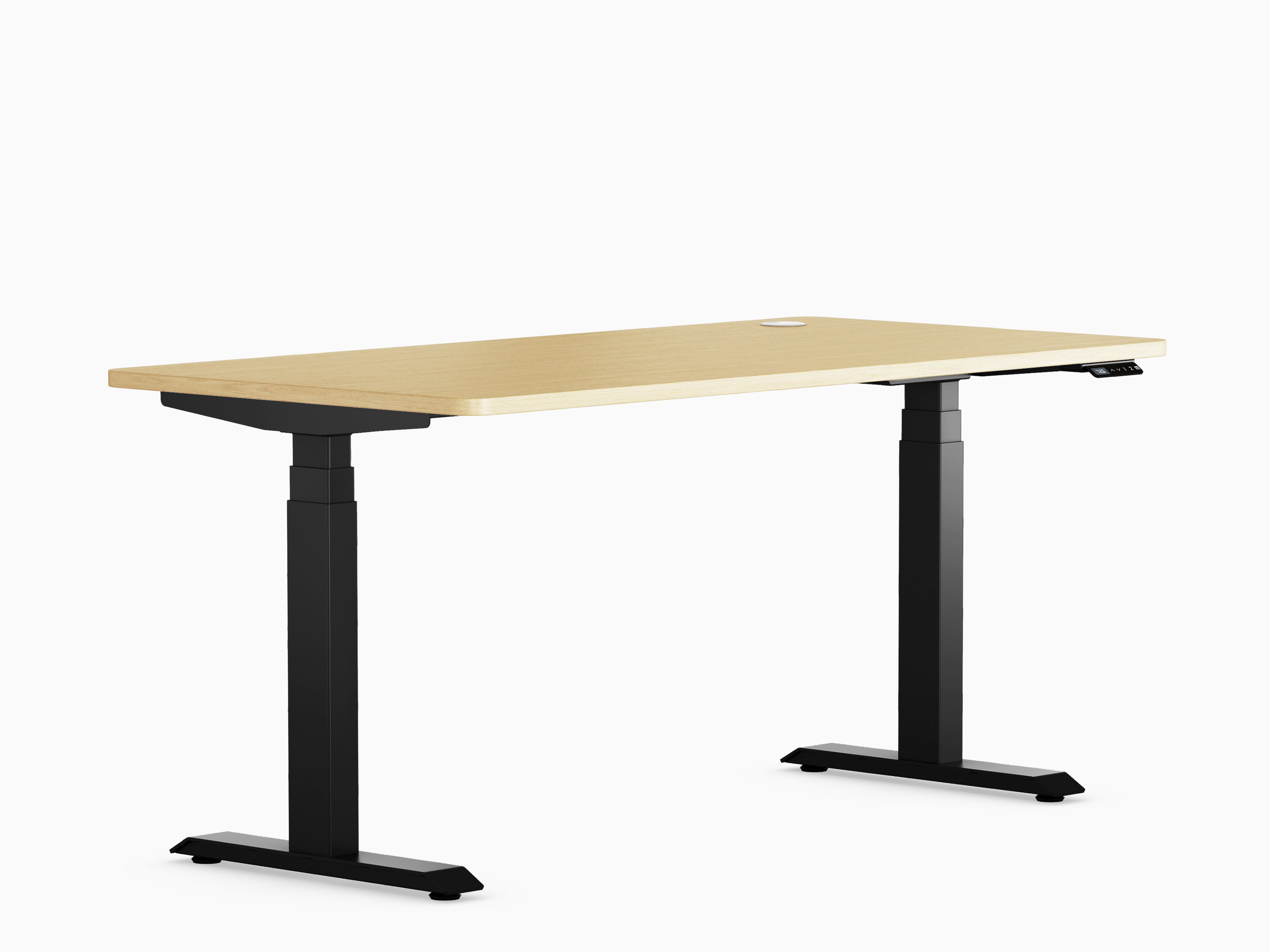
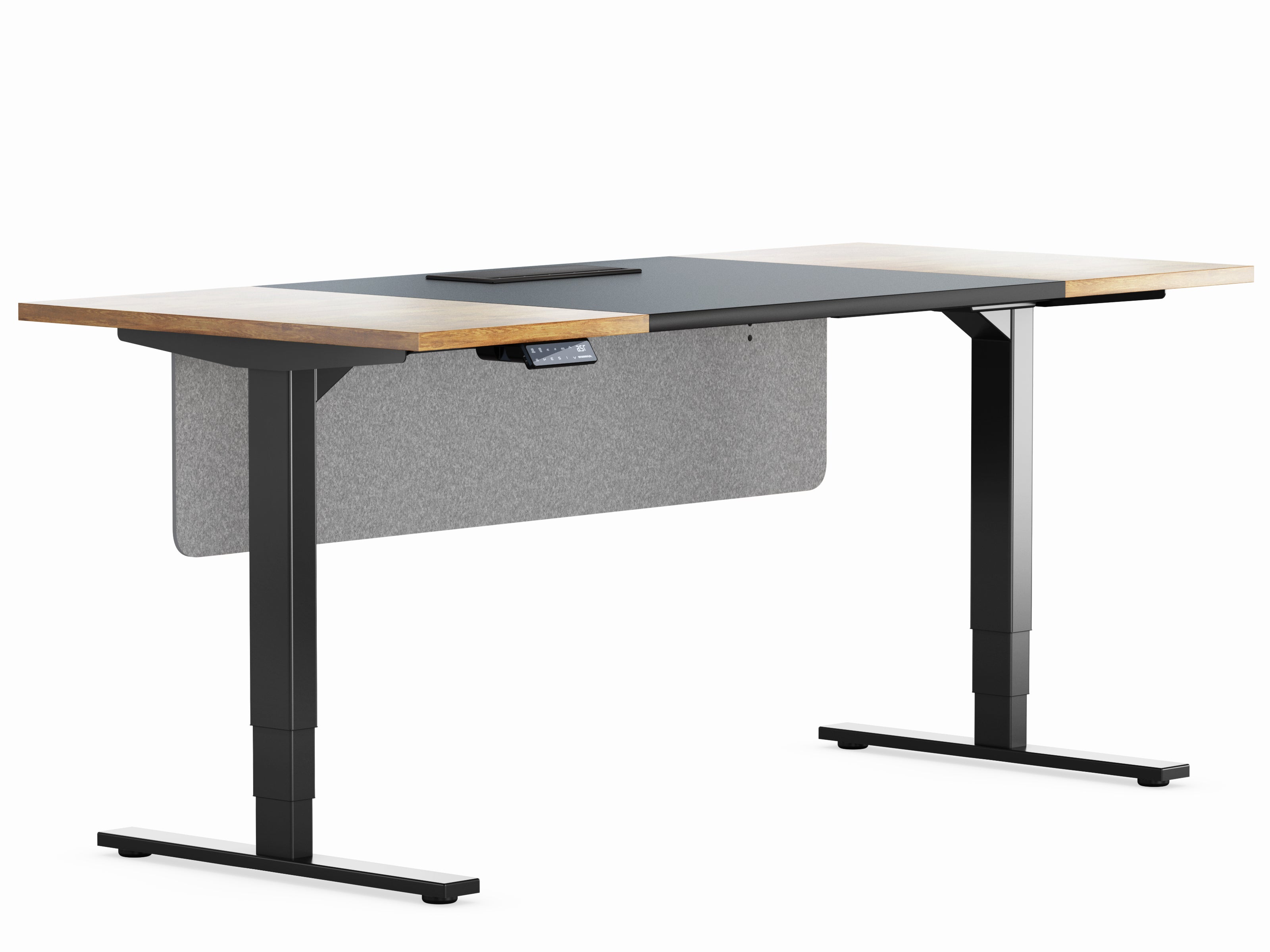
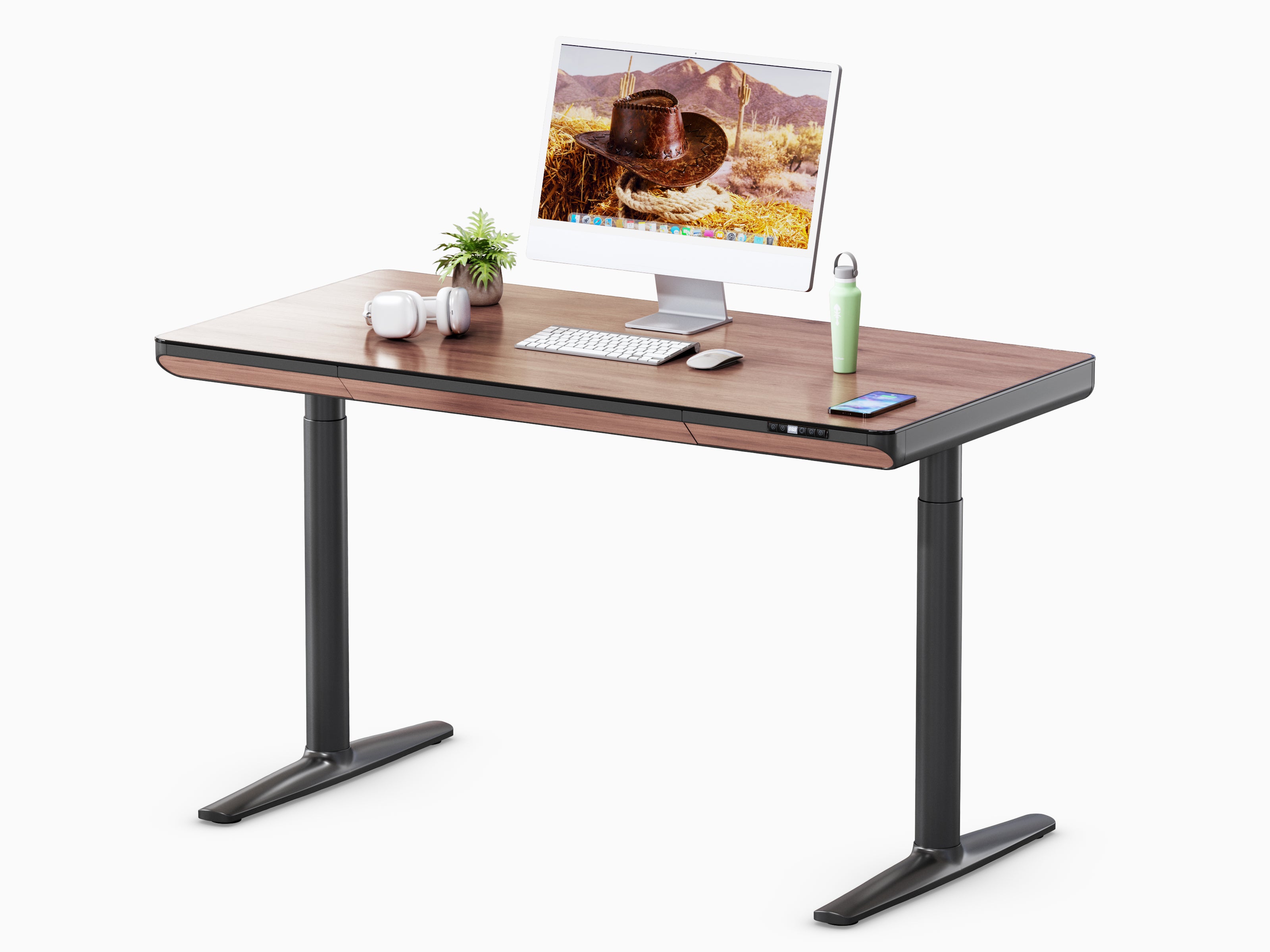
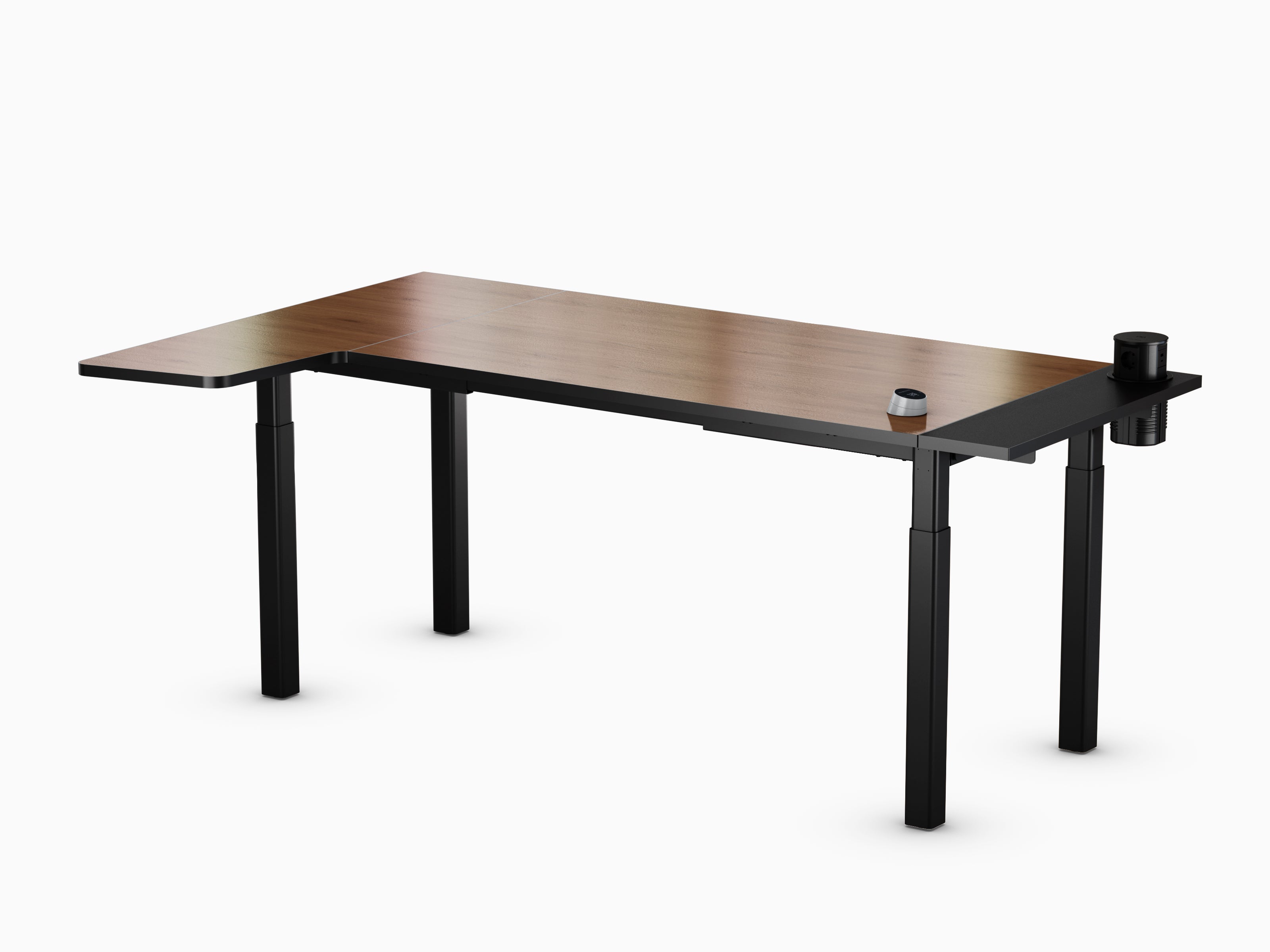
B. Height-adjustable desk and dynamic seating
Standing desks and dynamic seating such as exercise balls or kneeling chairs encourage movement and reduce sitting time. Studies from the Mayo Clinic show that alternating between sitting and standing improves blood circulation, reduces muscle stiffness, and lowers the risk of cardiovascular disease. Employers should consider these options to create a healthier work environment.
C. Regular exercise and stretching
Regular movement and stretching throughout the workday are crucial for reducing health risks. Simple activities like getting up every 30 minutes, taking short walks, or doing stretches at your desk can improve circulation, relieve muscle tension, and boost energy levels. The NHS recommends the " 20-8-2 rule " : 20 minutes sitting, 8 minutes standing, and 2 minutes moving.
D. Integrate physical activity into everyday life
Regular exercise outside of work is essential to counteract the effects of prolonged sitting. The World Health Organization (WHO) recommends at least 150 minutes of moderate physical activity per week, such as brisk walking, cycling, or swimming. Strength training can also help maintain muscle mass and metabolic efficiency.
E. Healthy lifestyle habits
A balanced diet, sufficient fluid intake, and good sleep are further important factors in minimizing the risks of prolonged sitting. Avoiding excessive coffee and sugar consumption, which can lead to energy slumps, also contributes to overall well-being.
Introduction of workplace health programs
A. Employer initiatives
Employers play a key role in promoting employee health. Health programs such as ergonomic consultations, corporate fitness programs, or health workshops can improve well-being and increase productivity. The Mayo Clinic emphasizes that such programs not only improve employee health but also reduce absenteeism.
B. Employee engagement
Active employee participation is crucial for the success of health programs. Employers can encourage this by creating a supportive company culture, offering incentives for participation, and providing resources such as training on the risks of prolonged sitting.
C. Corporate Policy and Culture
Policies that promote physical activity – such as mandatory breaks or flexible work arrangements – can help establish a healthier company culture. Leaders should lead by example and prioritize their own health.
Conclusion
A. Summary of Health Risks: The health risks of prolonged sitting and effective solutions for risk reduction.
Prolonged sitting poses significant health risks, including musculoskeletal disorders, cardiovascular problems, metabolic disorders, psychological stress, and deep vein thrombosis. These risks are well-documented by studies from the Mayo Clinic, the NHS, and other leading institutions.
B. Importance of proactive measures
The introduction of ergonomic workstations, standing desks, regular exercise, and physical activity is crucial to mitigating these risks. Employers and employees must work together to create a healthier work environment.
C. Call to action
It's time to prioritize workplace health. By recognizing the dangers of prolonged sitting and implementing effective solutions, we can improve well-being, increase productivity, and prevent chronic illnesses. Let's act now to create a healthier and more active future.
This comprehensive approach, based on findings from leading medical institutions, provides a clear roadmap to combat the health risks of prolonged sitting and promote a culture of health in the workplace.


