










Ergonomic standards: Height-adjustable tables in focus

Health and Law
In Germany, there are clear rules about what a workplace must look like. The goal: to protect the health of employees. This is stipulated by law (Workplace Ordinance, ArbStättV). Employers must ensure that workplaces are ergonomic. This means they should be designed in such a way that no one becomes ill or experiences pain.
What does ergonomic mean?
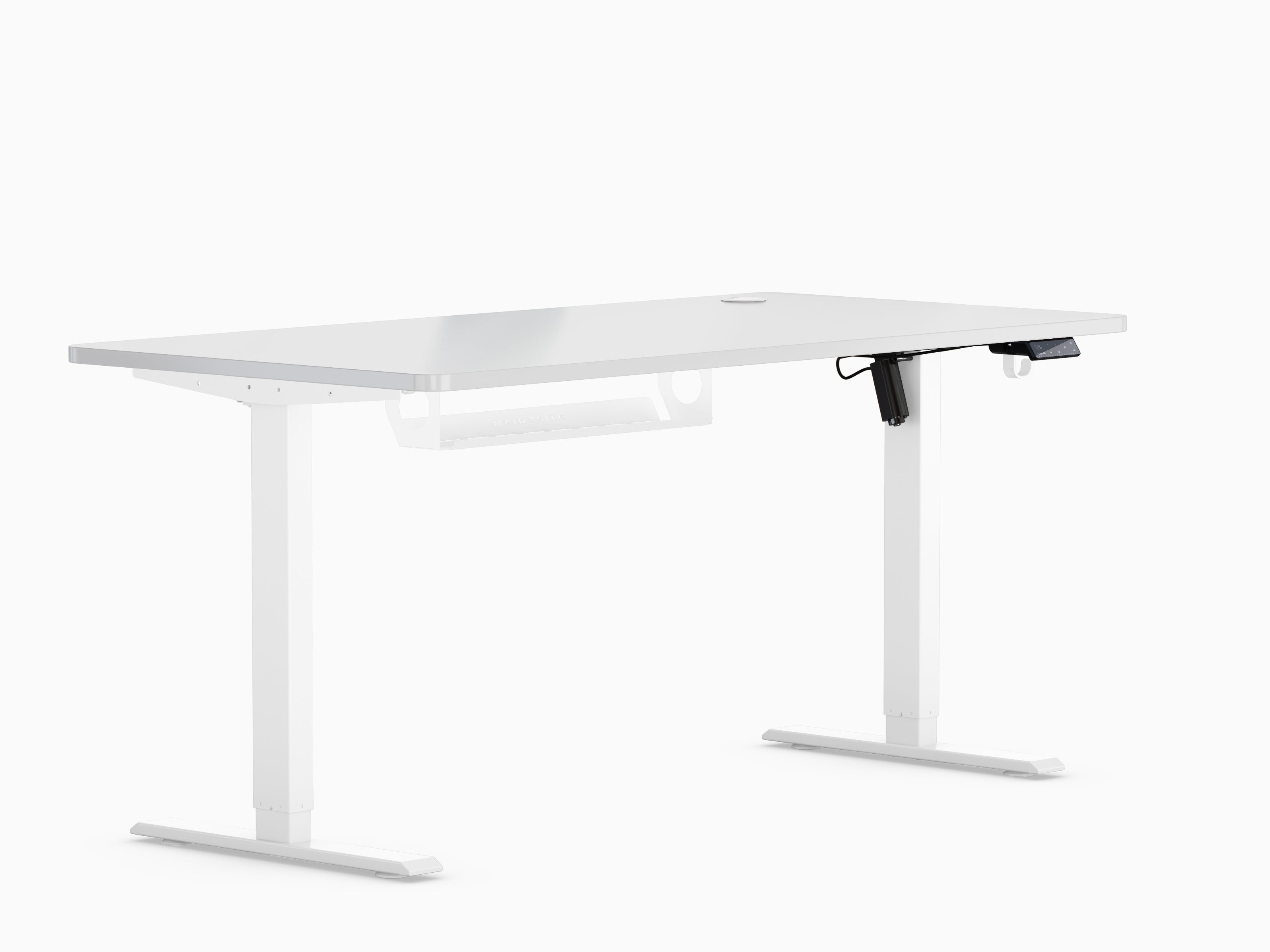
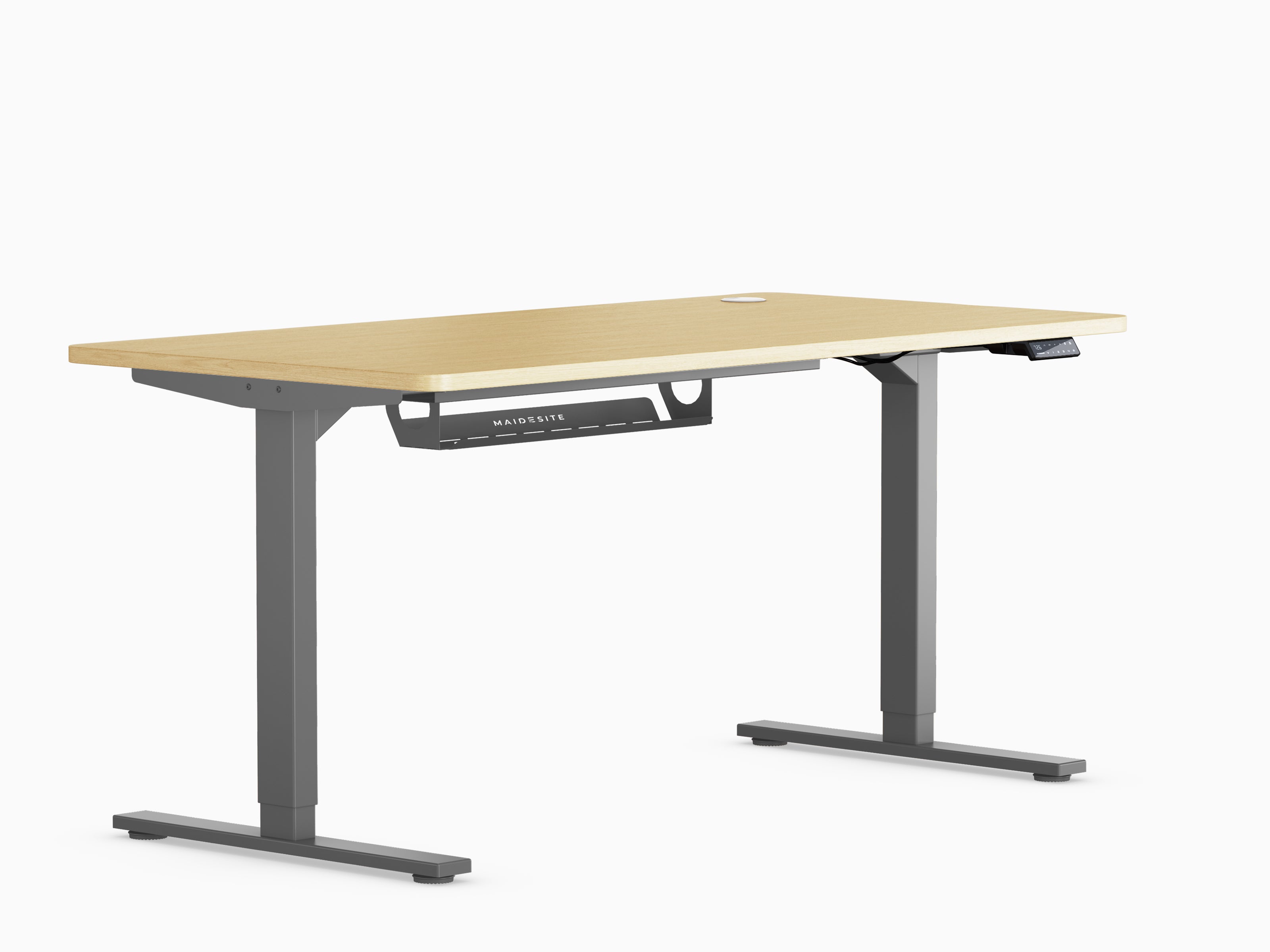
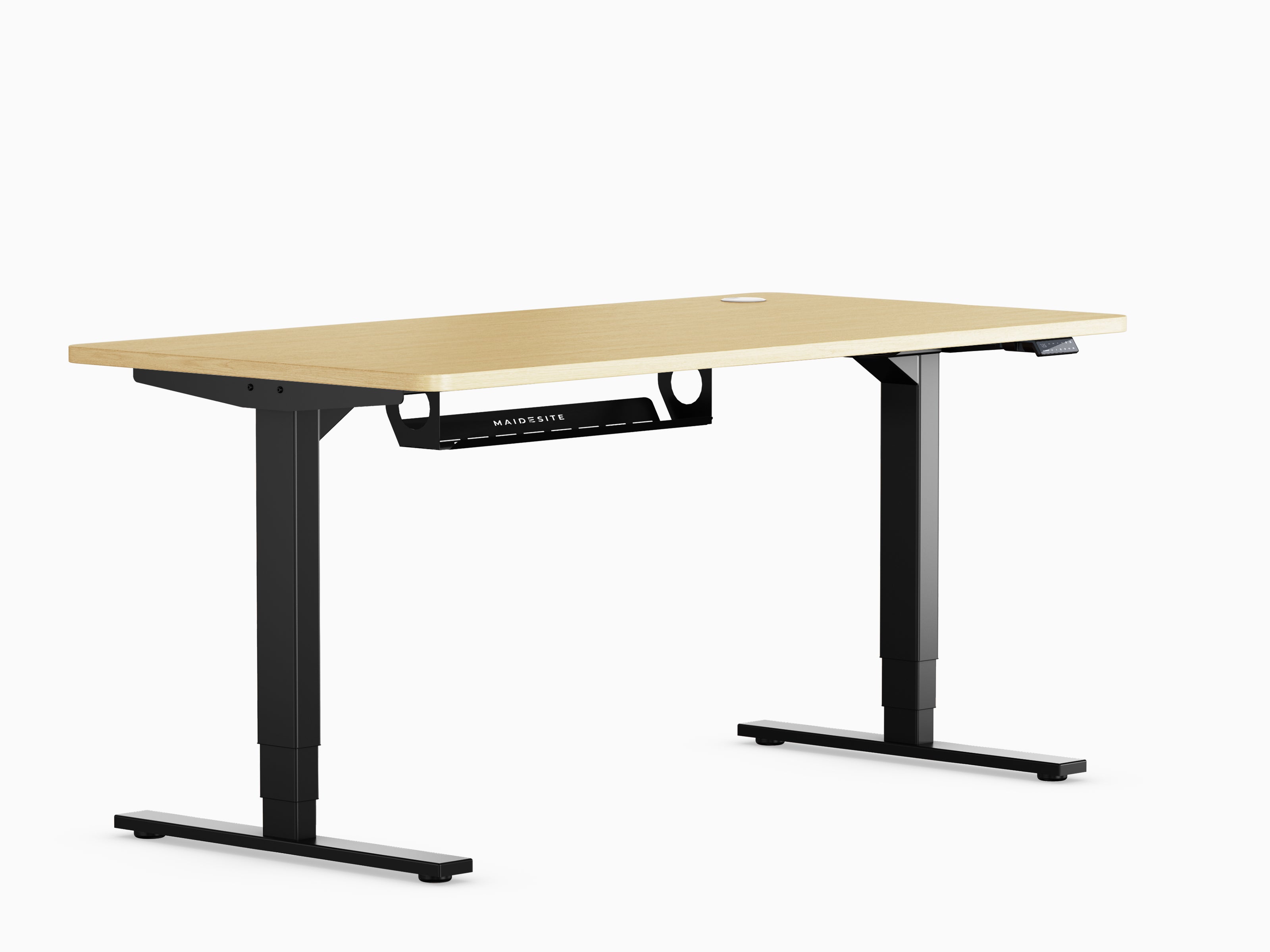
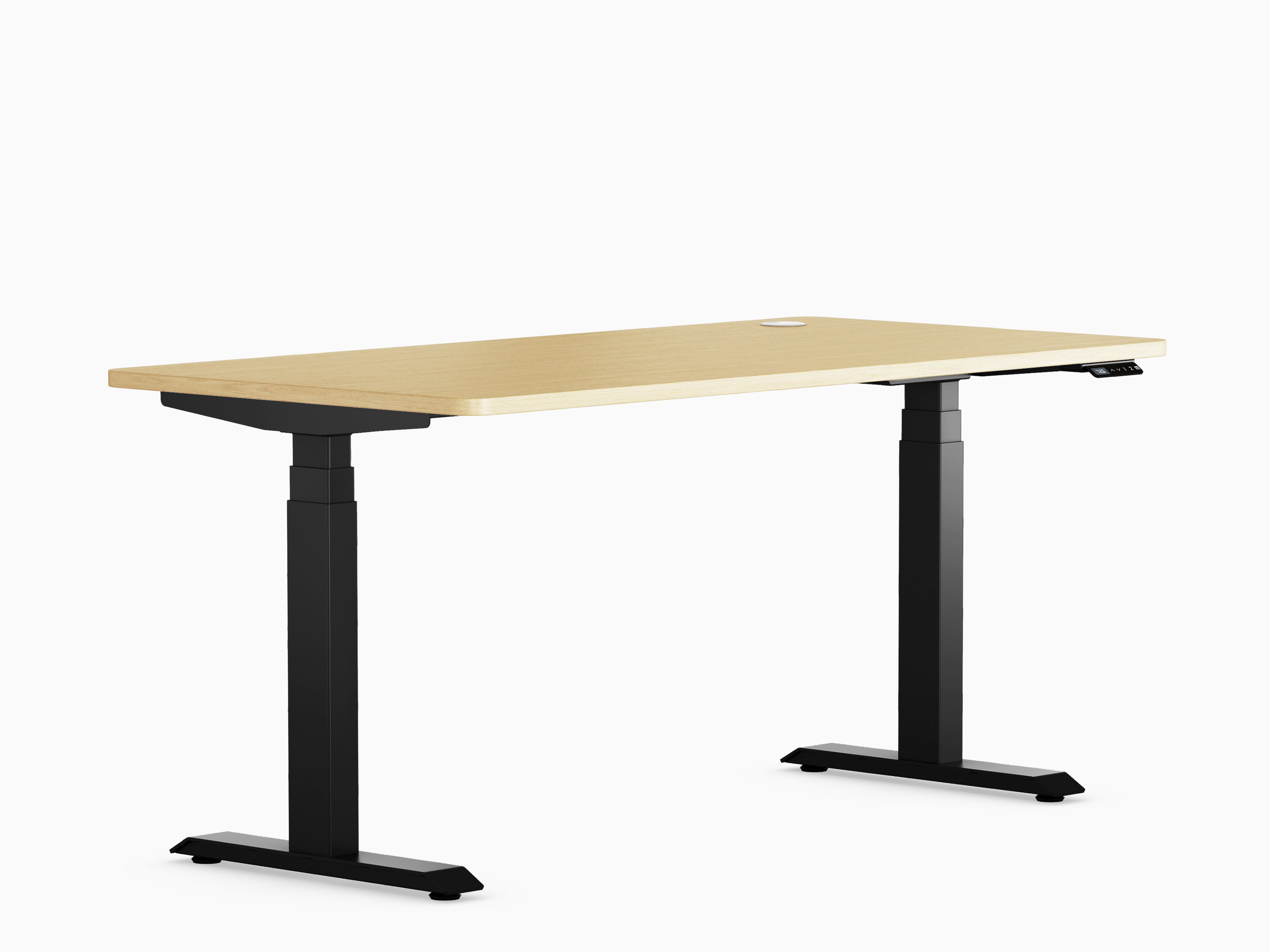
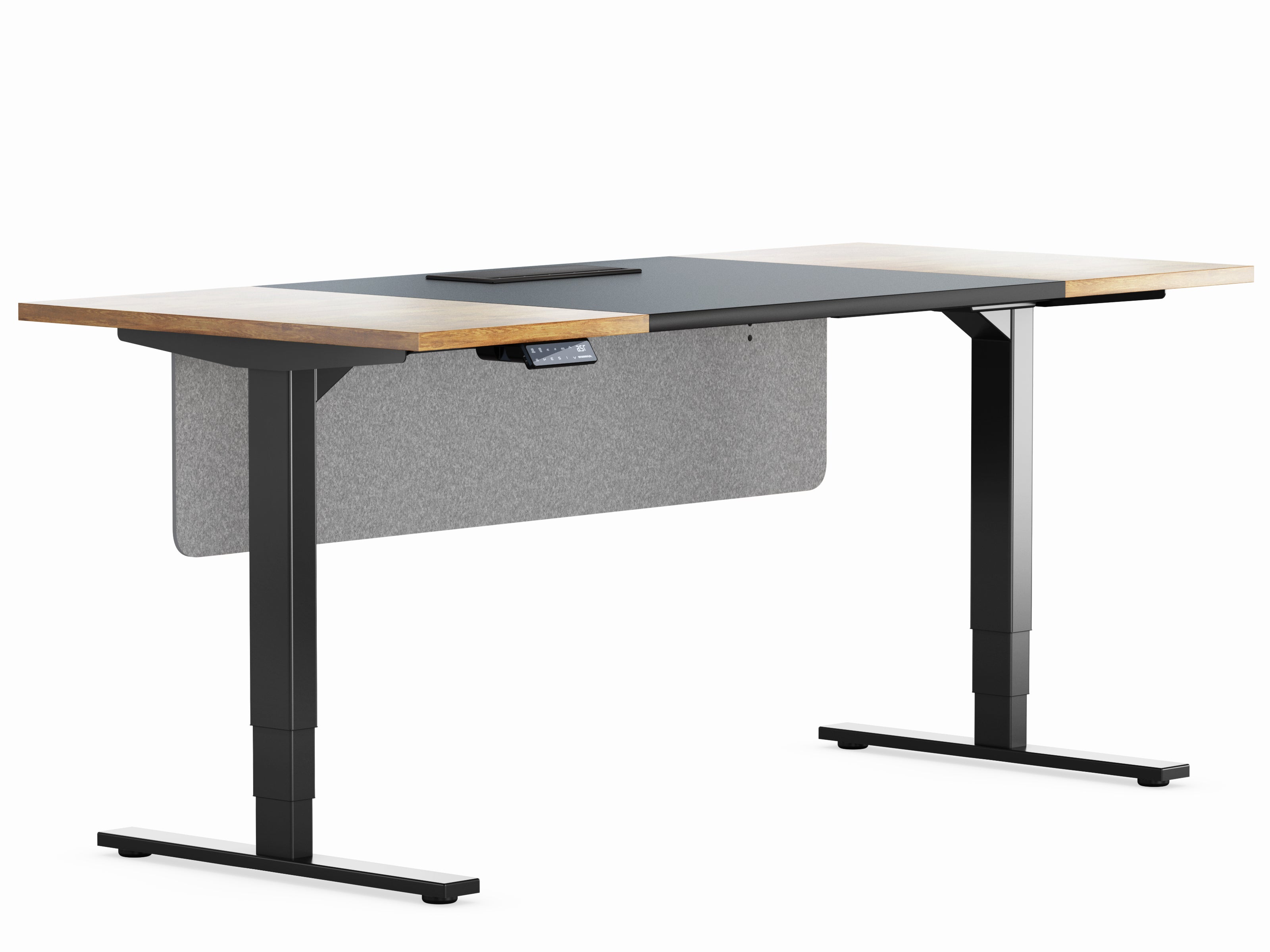
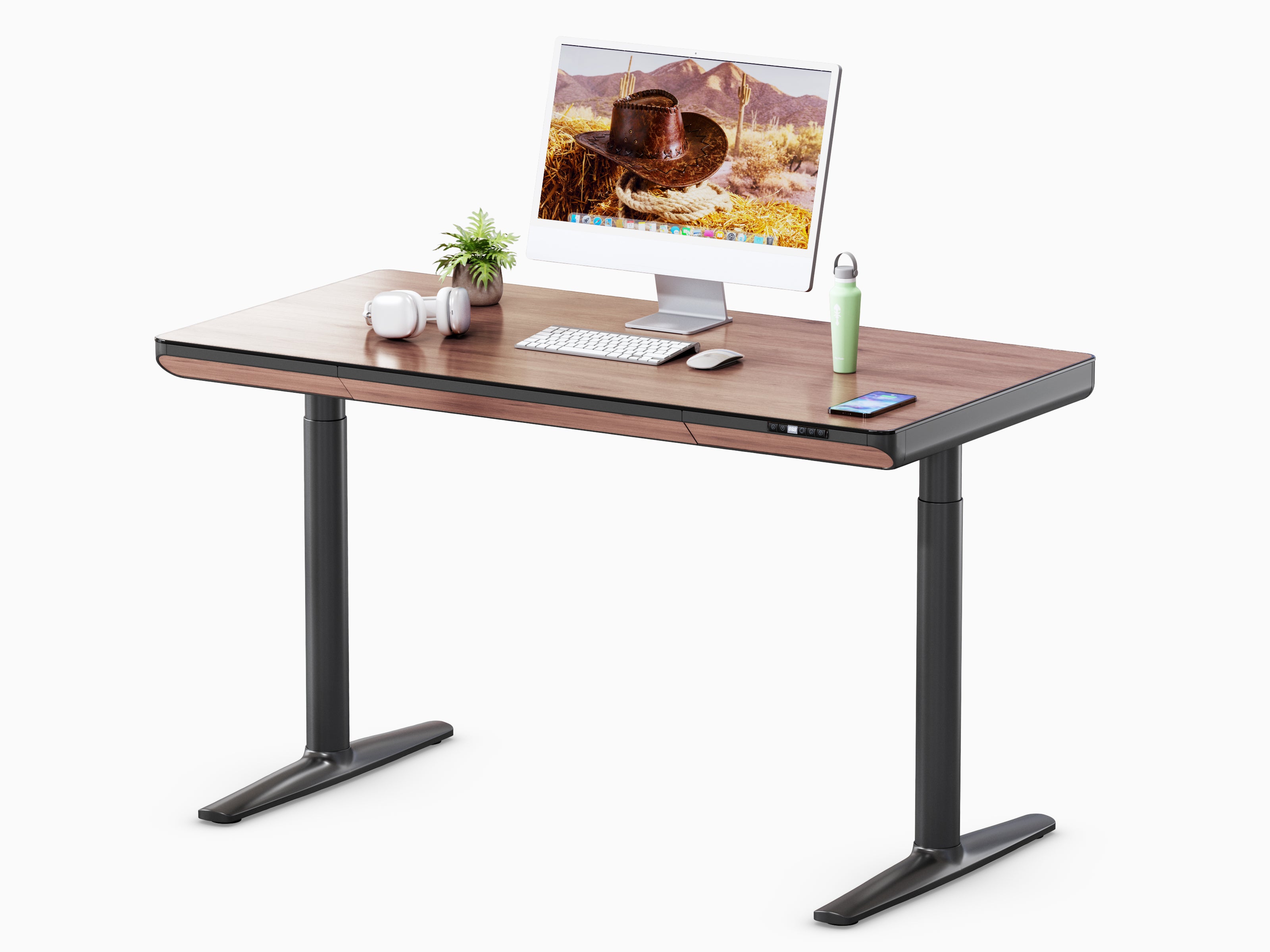
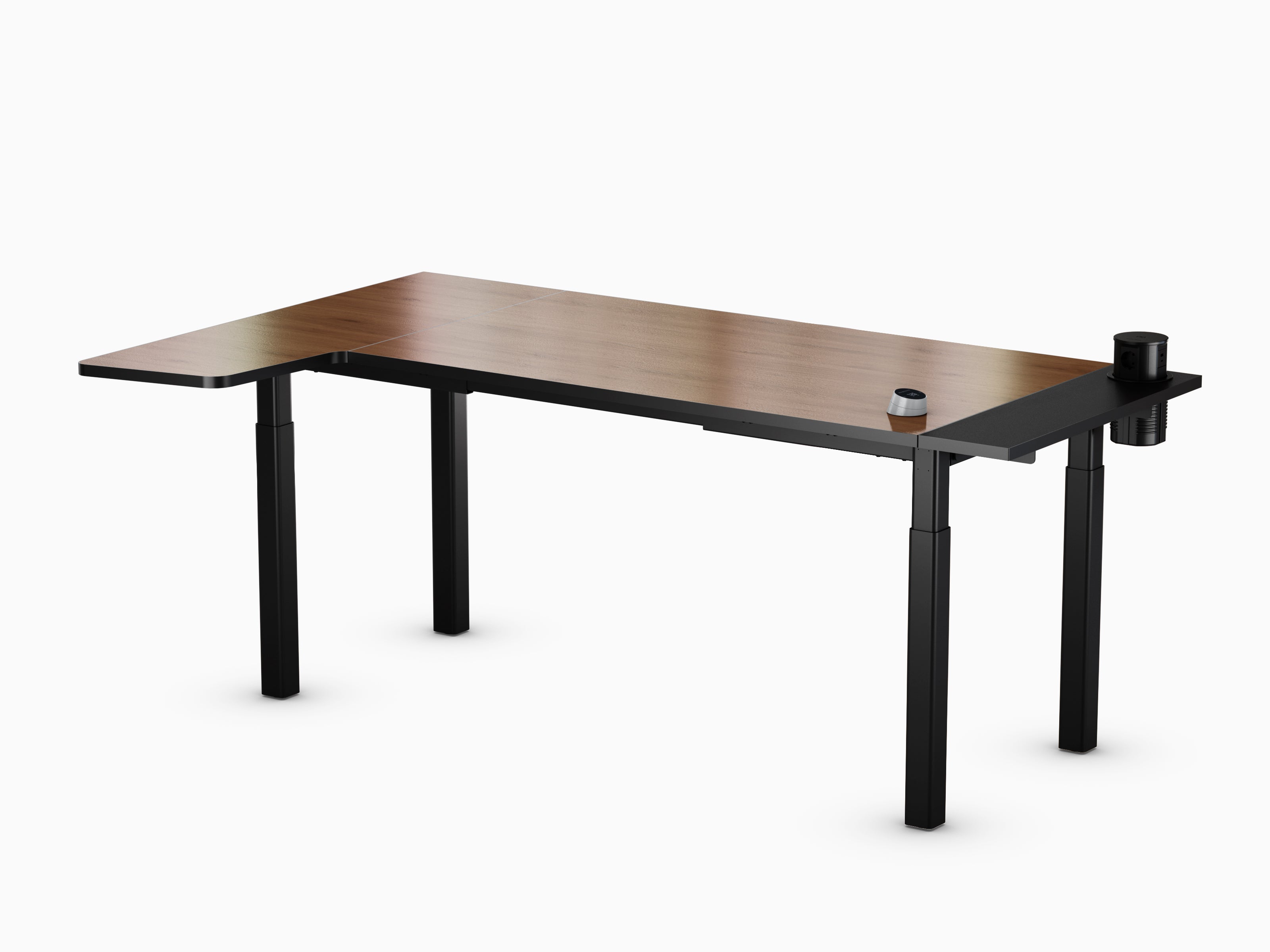
Ergonomic means that the workplace is adapted to human needs. This includes, for example, being able to adjust the height of the desk. This allows each employee to sit or stand in whatever way is most comfortable for them.
Why is this important?
Many people sit at a desk all day. This is bad for their back, circulation, and muscles. Those who sit all the time often develop back pain or tire more quickly. Height-adjustable desks help because you can get up and continue working while standing. This keeps the body fit and prevents illness.

What do the laws require?
-
The Workplace Ordinance (ArbStättV) states: Workplaces must be ergonomic.
-
The Technical Rules for Workplaces (ASR A1.2) state: The height of the table should be adjustable to the user's height. There must be enough space to allow for changes in posture.
-
For people with health problems, a height-adjustable desk may even be mandatory. Sometimes a doctor's certificate is required for this.
What happens if companies don't follow the rules?
Those who fail to comply with ergonomic regulations risk penalties (fines). Even worse: employees can become ill and claim damages. Furthermore, the company's image suffers if many employees are sick or resign.

What is the situation in other countries?
In Austria, the Employee Protection Act (ASchG) obliges employers to design workplaces in a way that meets the health needs of their employees. The General Employee Protection Ordinance (AAV) specifies these requirements and stipulates that worktables and workbenches must have a height, shape, and surface appropriate to the type of work being performed and be adjustable if necessary.
Furthermore, the German Ordinance on Work with Display Screen Equipment (BS-VO) requires that work tables have a sufficiently large, low-reflection surface and allow for flexible arrangement of work equipment. Although not explicitly mandated, height-adjustable tables can be a useful measure to meet these requirements.
In Luxembourg, the Labor Code (Code du travail) regulates workplace design. Although specific regulations regarding height-adjustable desks are not explicitly mentioned, the law obliges employers to ensure that workplaces are designed in a way that protects the health of employees. This includes providing suitable equipment and the opportunity to change working positions to prevent health risks.
What standards should office furniture (especially height-adjustable desks) meet to fulfill the requirements?
Legal aspects and standards
In Germany, office furniture is subject to strict standards. These ensure safety and ergonomics.

DIN standards for office furniture
DIN EN 527-1:2011 : This standard defines the dimensions for desks and work tables. It specifies minimum values for height adjustability. For type D, these are 650-1250 mm. Stability requirements are also regulated here.
DIN EN 1335: This standard primarily relates to office chairs. However, it is often considered in combination with height-adjustable desks. It defines ergonomic requirements for workplace design.
DIN 4556: This standard specifies requirements for office desks with motorized height adjustment. It includes specifications for safety distances. Crushing risks are also addressed.
DIN 68877: This standard specifies requirements for load-bearing capacity and stability. It regulates the maximum load under dynamic conditions.
EU safety standards for height-adjustable desks

Electrically height-adjustable desks sold on the EU market must meet strict safety and quality standards. The CE marking is a mandatory symbol, indicating that the product complies with the requirements of all relevant EU directives.
The most important EU directives for these products are:
Machinery Directive 2006/42/EC : Since an electrically height-adjustable desk is considered a machine, it must meet the safety requirements of this directive. This includes mechanical and electrical safety aspects such as collision protection and overload protection.
Low Voltage Directive 2014/35/EU : This directive ensures the electrical safety of the desk. It sets requirements for wiring and power supply to prevent hazards from electric shocks or short circuits.
EMC Directive 2014/30/EU (electromagnetic compatibility) : It ensures that the electronics of the desk neither interfere with other devices nor are themselves susceptible to external electromagnetic interference.
RoHS Directive 2011/65/EU : This directive (often also in its updated form as 2015/863/EU) restricts the use of certain hazardous substances such as lead, mercury and cadmium in electronic devices.
Compliance with these guidelines is demonstrated by adherence to harmonized standards such as EN 60335-1 (household appliances), EN 62233 (EMF), EN 55014-1/2 (EMC) and the IEC 62321 series of standards (RoHS analysis).

Sustainability and environmental aspects
When buying a height-adjustable desk, pay attention to environmental aspects. Certifications can provide guidance:
Blue Angel (DE-UZ 38) : This strict German label stands for low-emission furniture. It guarantees compliance with strict limits for formaldehyde and VOC emissions, which is particularly important for tabletops made of particleboard or MDF.
FSC & PEFC : Both certificates confirm that the wood comes from sustainable forestry.
FSC (Forest Stewardship Council) : A globally recognized seal for wood from responsibly managed forests.
PEFC (Programme for the Endorsement of Forest Certification) : A widely used alternative in Europe with a focus on regional forest management.
Choosing these seals supports environmentally friendly production and ensures you a durable, low-pollutant product.
Sustainable materials and production processes
Tabletops: Solid wood is durable, repairable, and biodegradable. Ideally, it comes from local forests. Bamboo tabletops are a rapidly renewable resource and are becoming increasingly popular. Recycled materials such as plastic or wood scraps are also used. Linoleum is a natural alternative to plastic coatings.
Table frames: Recycled steel or aluminum reduces the CO₂ footprint by up to 70%. Powder coating is more environmentally friendly than wet painting processes. Some manufacturers deliberately avoid chrome plating.
Packaging: Plastic-free packaging is a growing trend among German manufacturers. Recyclable cardboard boxes are standard practice for environmentally conscious suppliers. Some German manufacturers even offer deliveries using reusable systems.
Durability and repair options
Designed for longevity: A modular design allows for easy replacement of defective parts. The availability of spare parts is important. German manufacturers often offer guarantees of 10 years or more. Pay attention to repairability. Easy access to mechanical and electronic components is advantageous.
Conclusion
Height-adjustable desks are important for health and often legally required. They help prevent back pain and other ailments. Companies that prioritize ergonomics have healthier and more satisfied employees and avoid legal issues.
Disclaimer: This article is for general information purposes only and does not constitute legal advice or a binding legal opinion. Despite careful research, no guarantee can be given for the accuracy, completeness, or timeliness of the information provided. For legal questions or individual concerns, please consult a qualified professional or legal advisor in your country.


