










Who bears the costs for the height-adjustable desk in Germany?

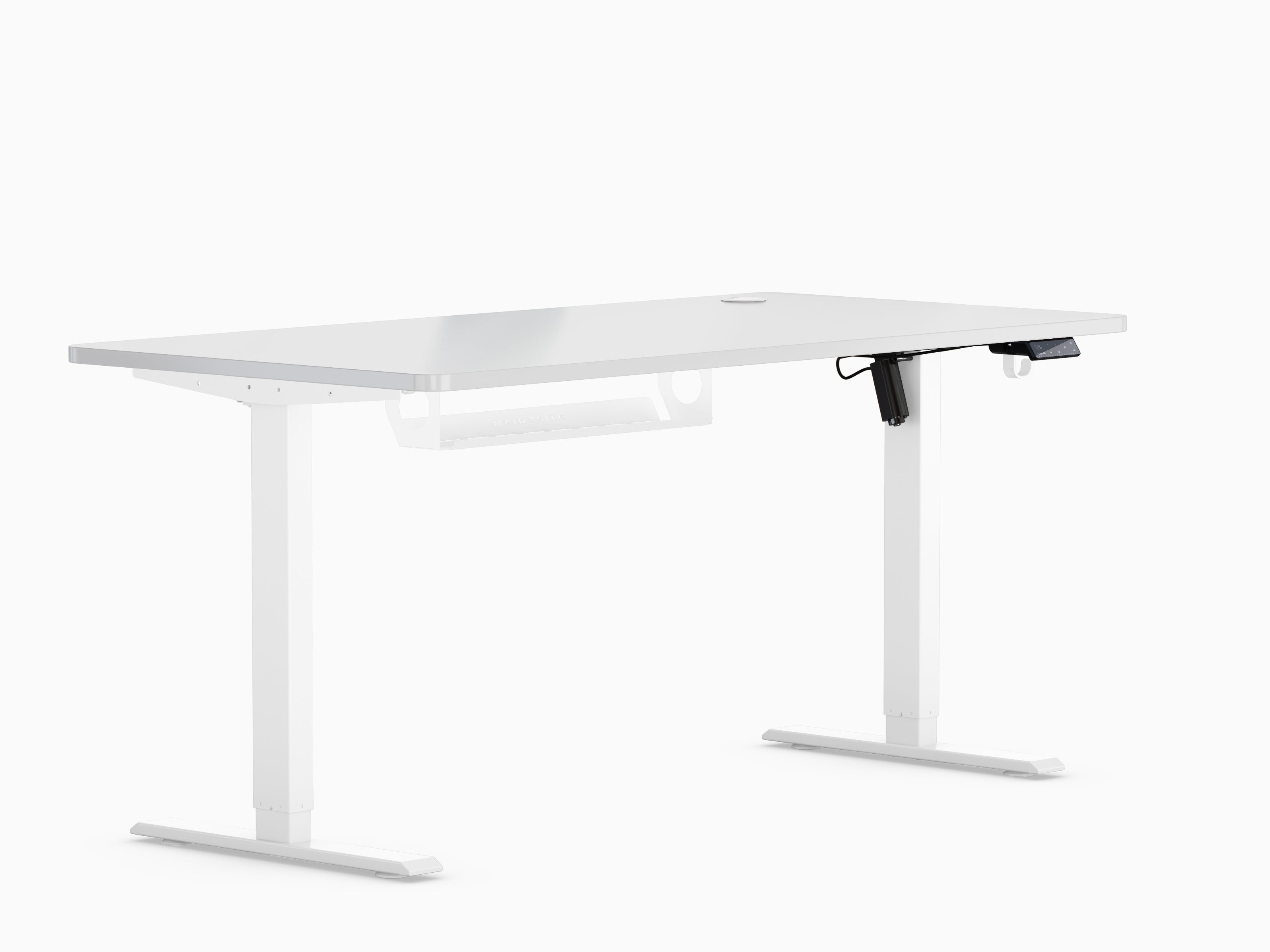
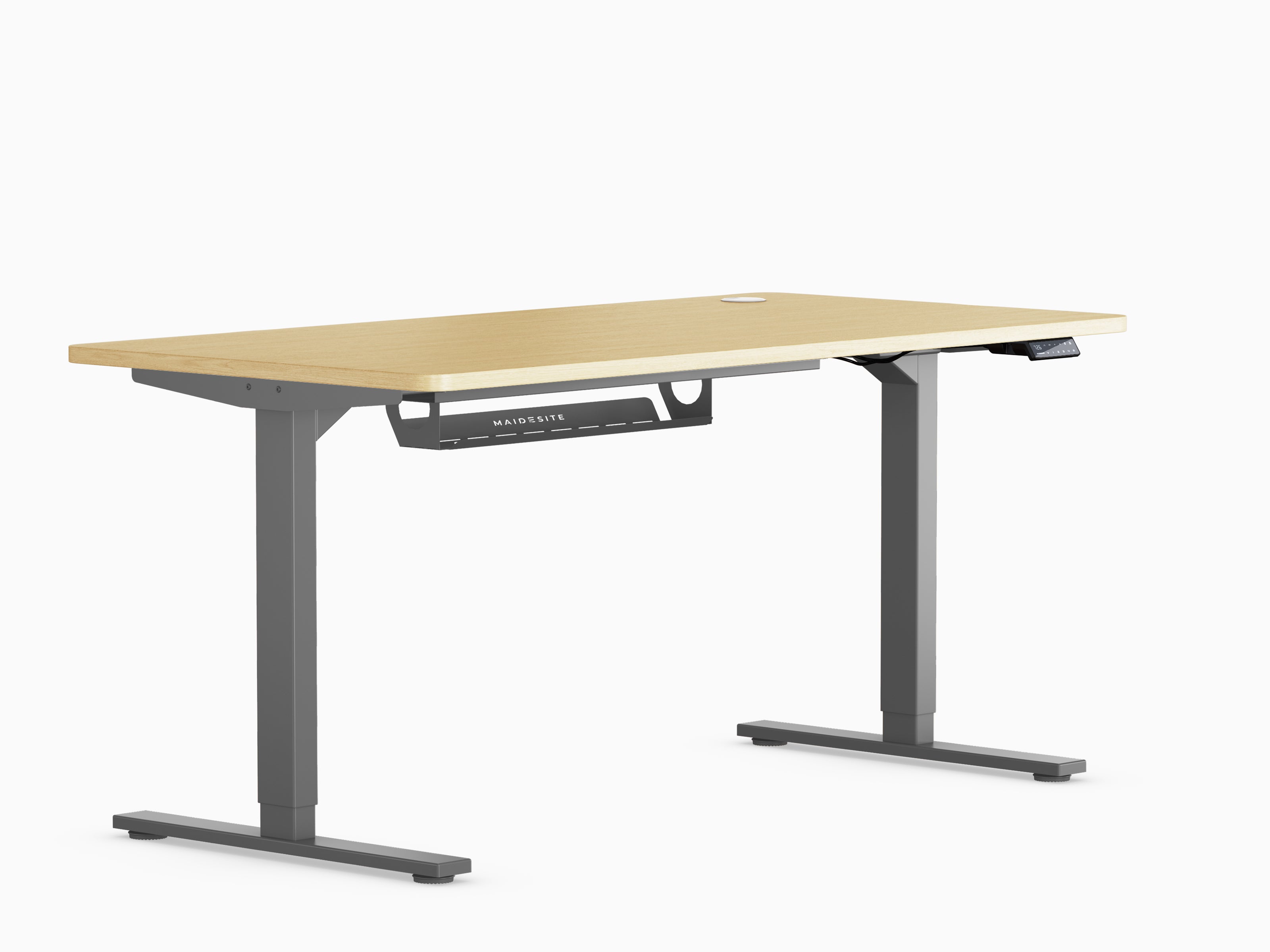
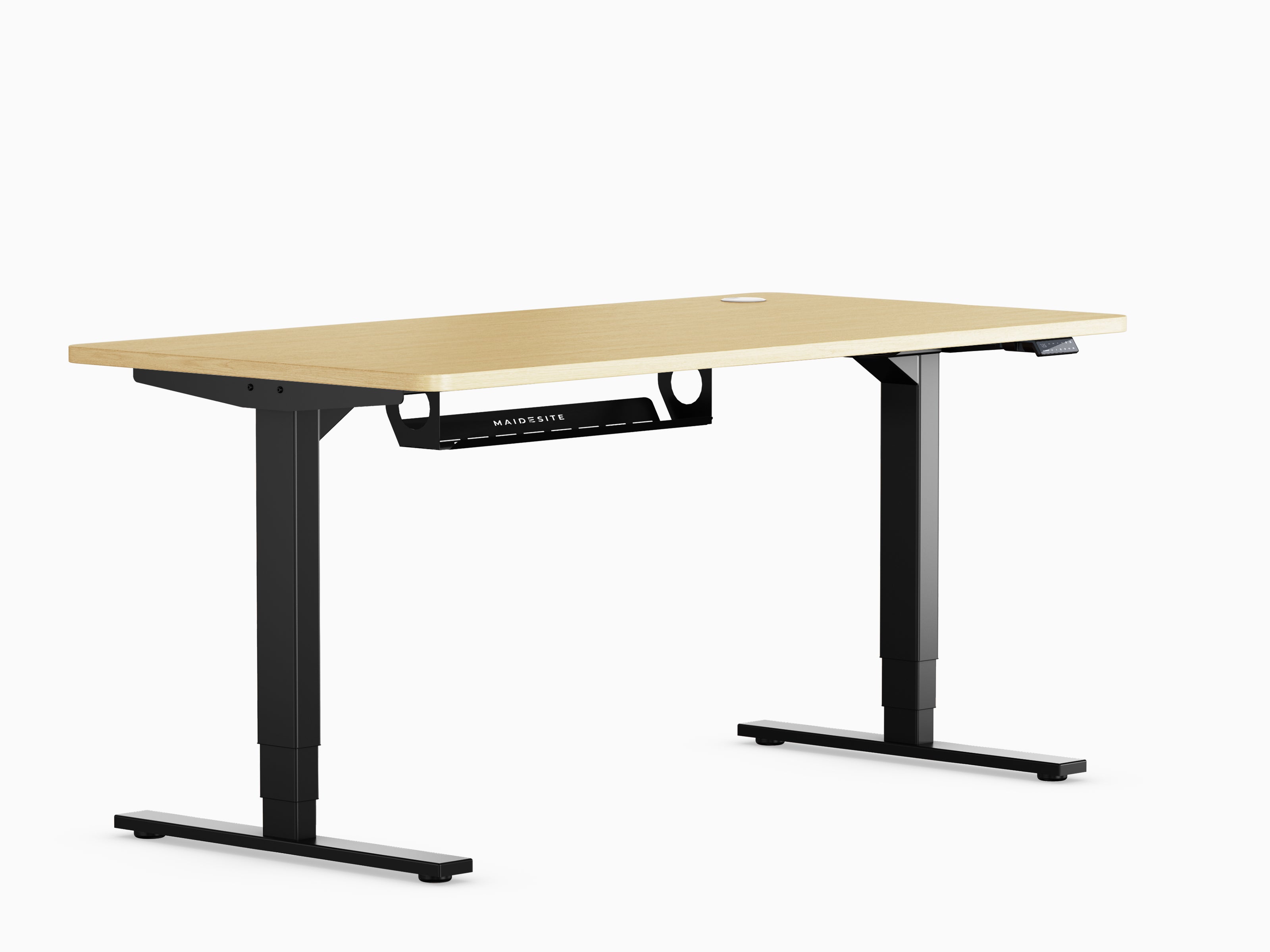
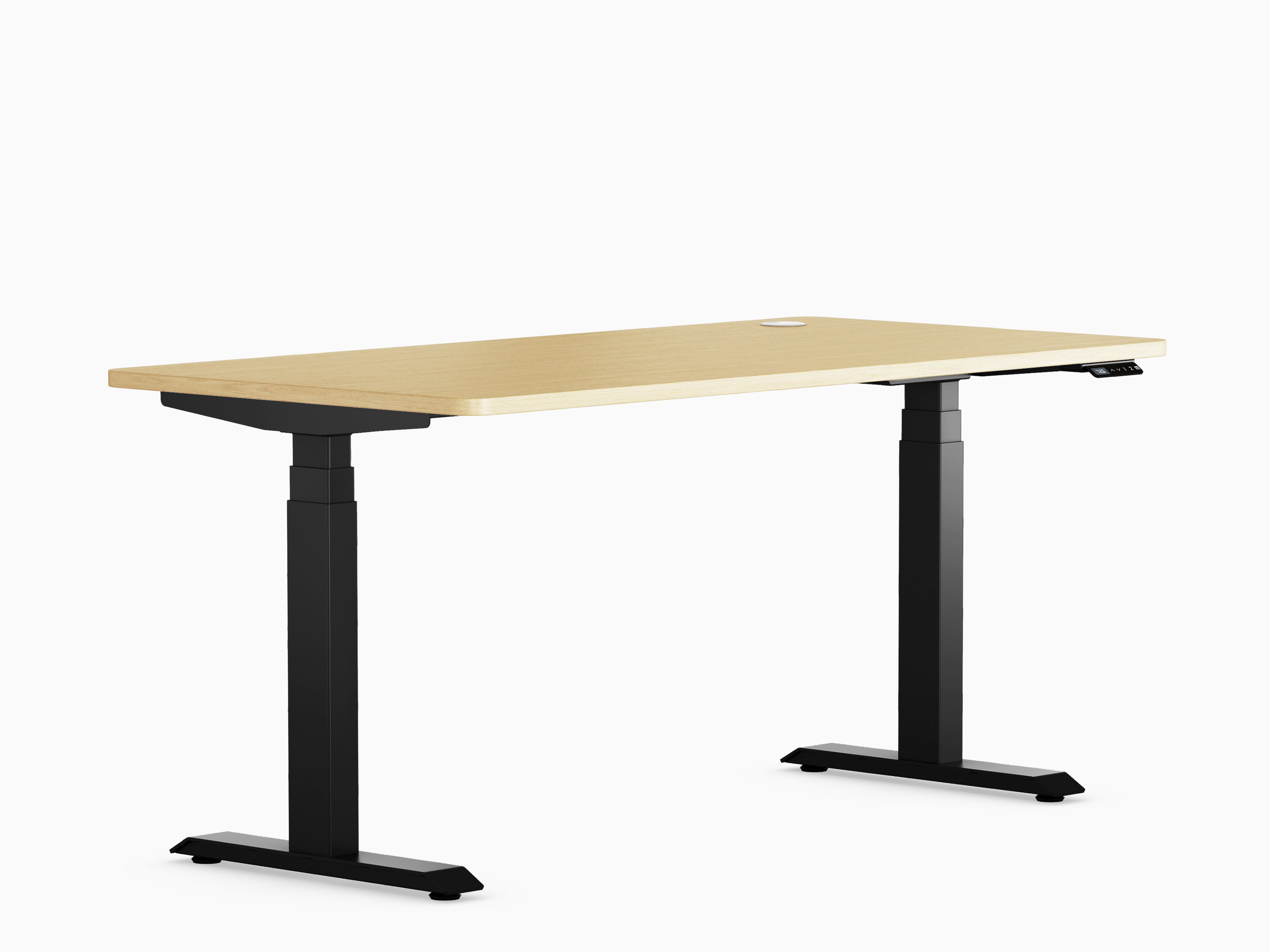
In today's workplace, the height-adjustable desk has become an indispensable piece of furniture, especially in offices where long hours are spent in front of a screen. But despite its many advantages, an important question arises: Who bears the cost of a height-adjustable desk ? Is the employer responsible for this investment, or is it up to the employee to purchase it themselves?
The answer to this question isn't always straightforward, as it depends on various legal aspects and individual circumstances. This article explores whether and when employers are obligated to provide a height-adjustable desk, and what rights employees in Germany have regarding ergonomic work equipment. We also offer practical tips on how employees and employers can find a solution that works for both parties.

Why are height-adjustable desks important?
A height-adjustable desk offers numerous benefits that promote employee health. Especially in everyday office life, where many hours are spent at a desk, the correct sitting and standing posture can be crucial. Alternating between sitting and standing supports blood circulation, reduces back pain, and prevents long-term damage.
Health benefits are not the only reason why more and more employees are expressing a desire for a height-adjustable desk. The flexibility to switch between sitting and standing also promotes concentration and can increase productivity. These reasons make a height-adjustable desk a worthwhile investment, not only for health but also for work performance.
Employer obligation in Germany: Does the boss have to pay?
In Germany, the question arises: Must the employer pay for a height-adjustable desk? Generally, there is no blanket legal regulation stating that the employer must provide a height-adjustable desk. However, there are legal principles that grant employees rights in certain cases.
Section 3 of the Occupational Health and Safety Act (ArbSchG)
The Occupational Health and Safety Act (ArbSchG) requires employers to ensure the safety and health of their employees. This means that employers are obligated to provide ergonomic workplaces. This includes, among other things, providing furniture that enables a healthy working posture.
However, this does not automatically mean that the employer has to pay for a height-adjustable desk. It depends on the individual case. If the desk is necessary due to health problems or a specific workplace design, the employer may be obligated to pay for it.
Ordinance on Work with Display Screen Equipment (BildscharbV)
The German Ordinance on Work with Display Screens specifies the requirements for workplaces where work is carried out with display screens. It stipulates that the workplace must be set up in such a way that the employee does not suffer any health problems. In many cases, a height-adjustable desk can be a solution, especially if the employee has difficulty maintaining a constant sitting posture.
Who pays for the desk?
The question of who pays for the height-adjustable desk cannot be answered in general terms, but depends on various factors.
- Ergonomic necessity: If a height-adjustable desk is required for health reasons, for example due to back problems, the employer may be obligated to provide one. In this case, the employee can insist on ergonomic workplace conditions.
- Workplace design: Employers are obligated to design the workplace in a way that promotes health. This includes not only adjusting the chair and desk height, but also choosing the right workstation. In this context, a height-adjustable desk could be considered part of preventative healthcare.
- Individual agreement: In some cases, an individual agreement between employer and employee may also be relevant. Some companies voluntarily provide height-adjustable desks to promote employee well-being and increase productivity.
- Workplace health promotion: More and more companies are offering workplace health promotion programs. These may also include the purchase of a height-adjustable desk if this is considered part of a holistic health concept.
Tax aspects: Deductibility of the height-adjustable desk
Besides the question of who pays for the desk, there is also the question of whether the desk is tax-deductible. If the employee pays for the desk themselves and it is used for professional purposes, it may be possible to deduct it as a business expense. For this to be the case, the desk must be demonstrably necessary for carrying out the professional activity.
In some cases, employees can deduct their desk as part of their home office expenses for tax purposes if they work from home. It is advisable to consult a tax advisor in such cases to ensure that all requirements are met and the tax return is filed correctly.

Tips for employees: How to get a height-adjustable desk
For employees who need a height-adjustable desk, there are several ways to obtain one:
- Speak with your employer: If the desk is necessary for health reasons, the employee should speak with their employer. In many cases, employers are willing to consider health concerns, especially if these relate to occupational safety.
- Workplace health promotion: Many companies offer subsidies or even full financing for ergonomic furniture as part of their workplace health promotion programs. It's worth inquiring about such programs.
- Utilize funding opportunities: In Germany, there are funding programs for companies that invest in the health of their employees. In some cases, employees can benefit from such funding through their employer.
- Private financing: If the employer is unwilling to finance the desk, the employee can still resort to private financing or installment payments. This way, the workplace remains ergonomic and promotes health.
Conclusion: It depends!
The question of who pays for a height-adjustable desk cannot be answered definitively. In many cases, employers are obligated to provide ergonomic workstations, although this doesn't always directly include a height-adjustable desk. Employees should, however, inform themselves about their rights and, if necessary, discuss the matter with their employer to find a solution that promotes health and productivity in the workplace.
Disclaimer:
This article does not constitute legal advice and does not provide binding legal information. The information presented is based on general legal principles and is intended for guidance only. For individual, legally binding advice, please consult a qualified lawyer or relevant specialist. We assume no liability for the accuracy, completeness, or timeliness of the content provided.


