



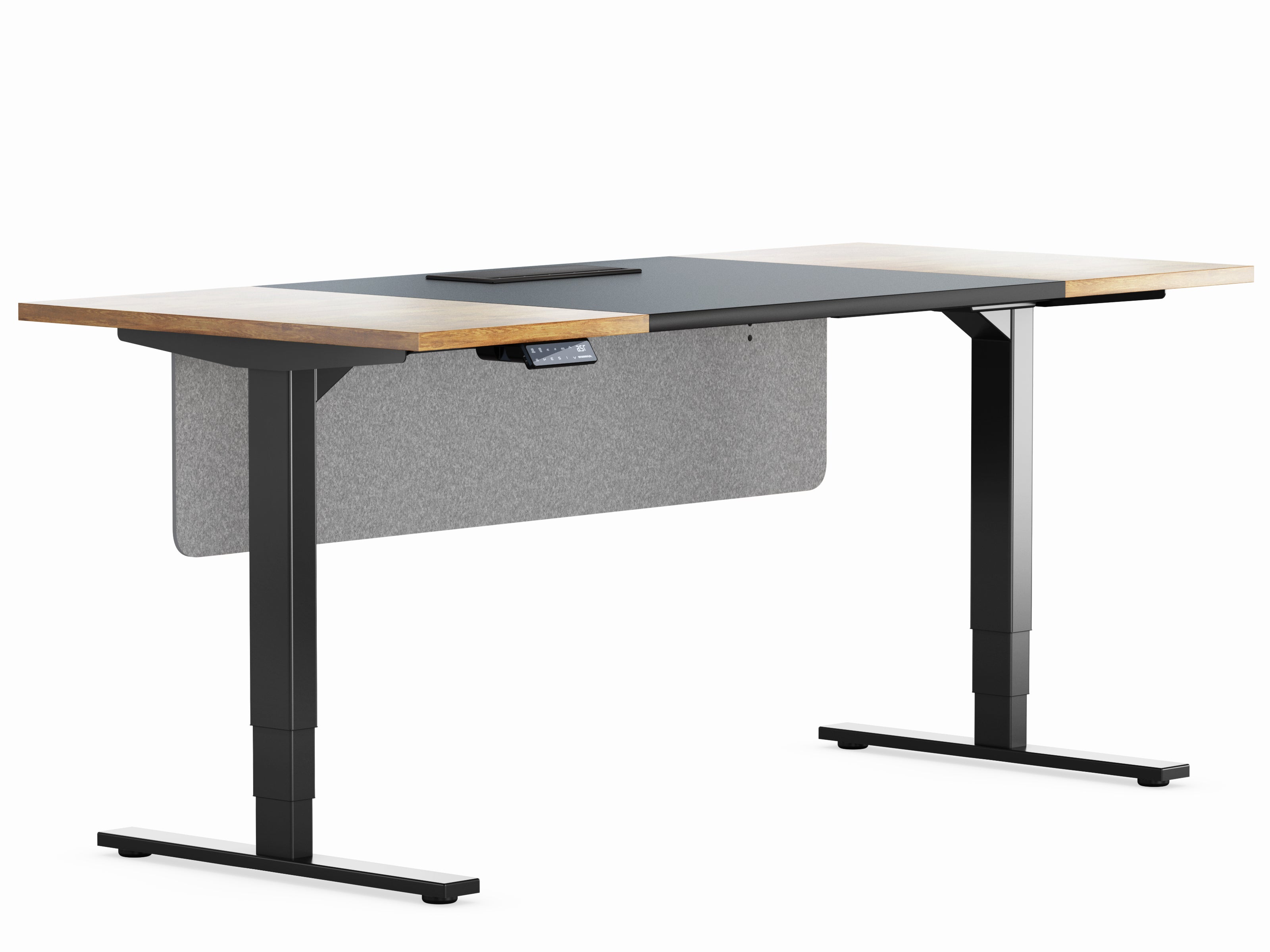


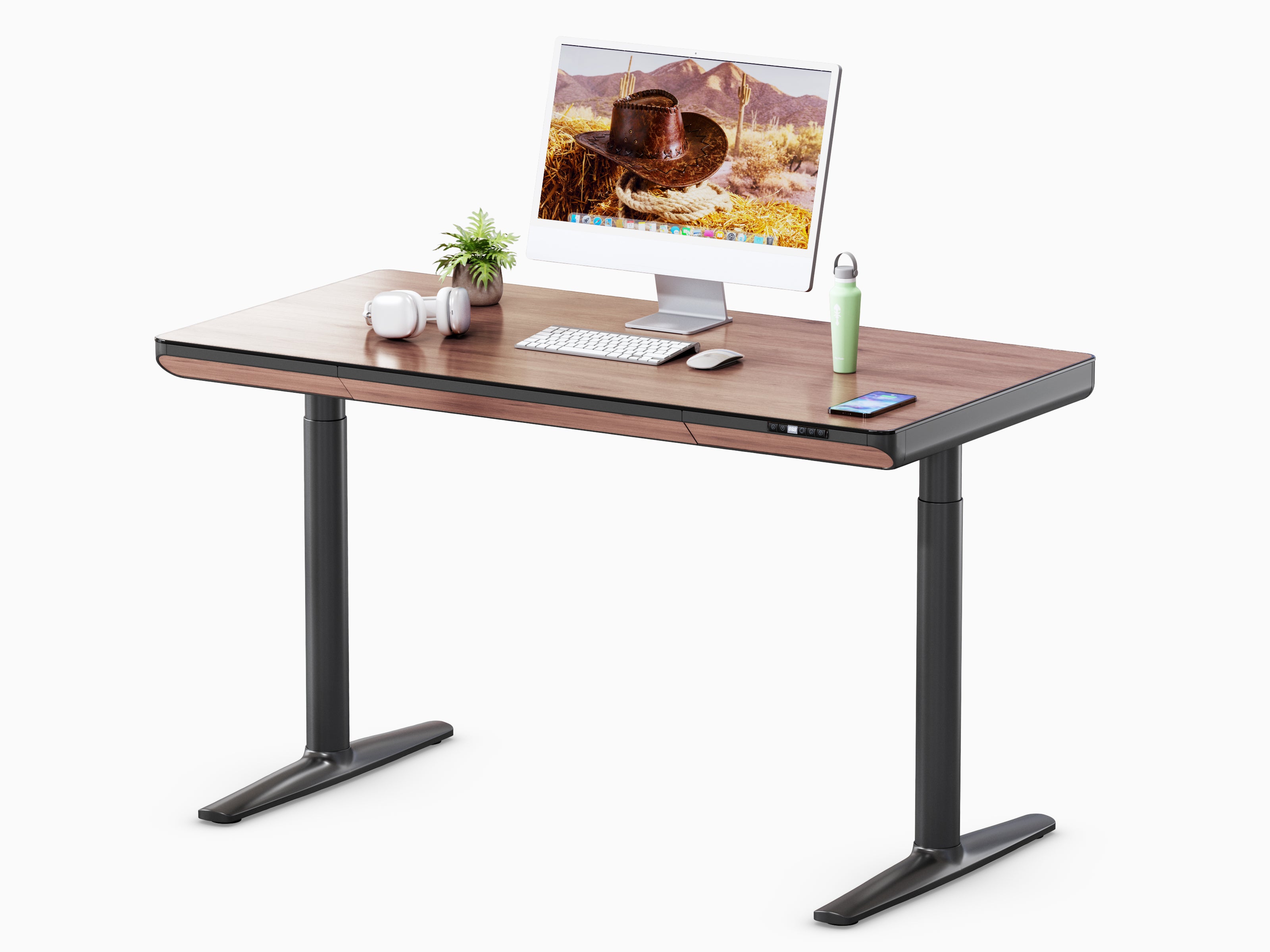
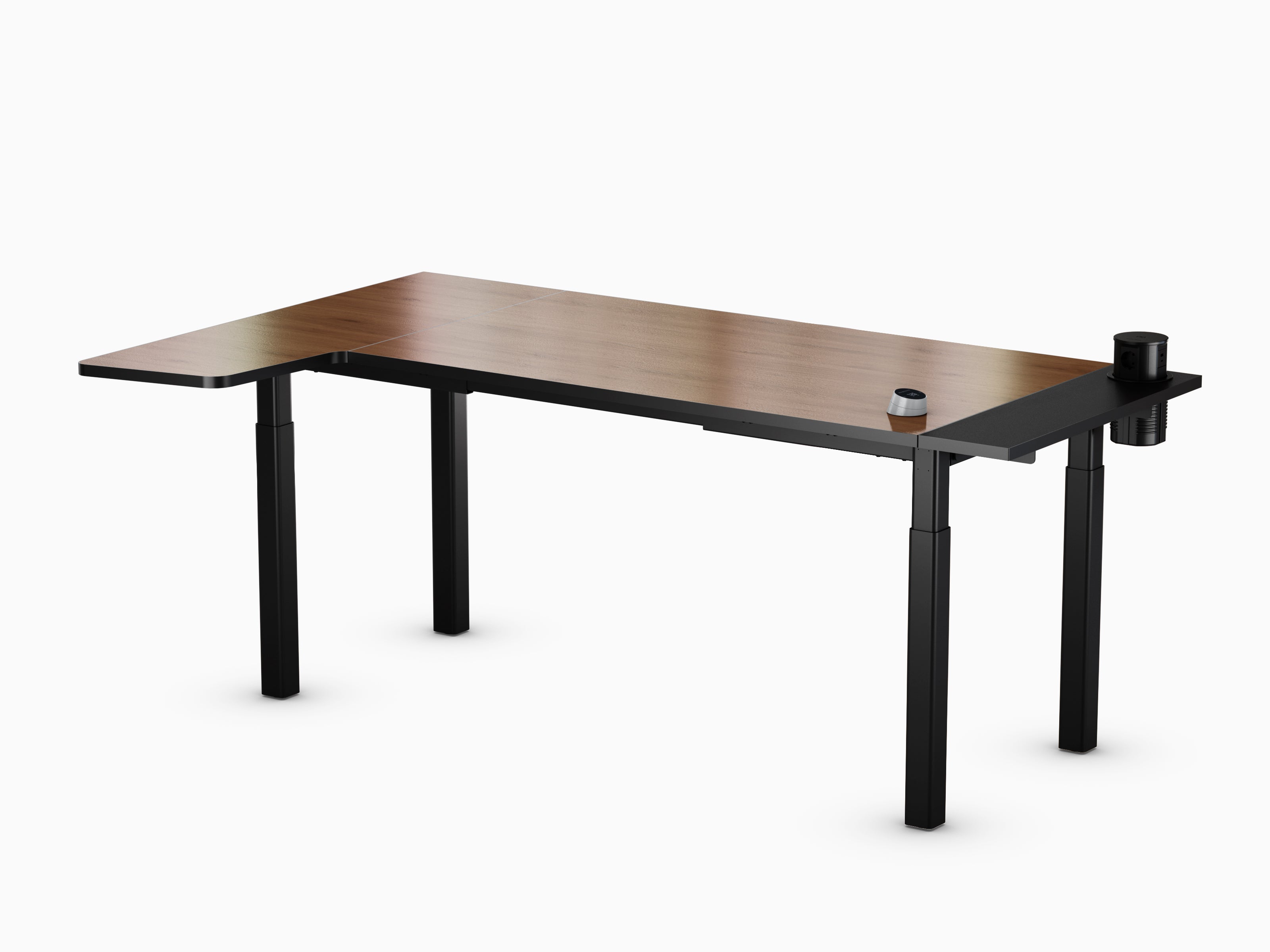




Height-adjustable desks: The simple solution to back pain in the office

Back pain is the number one health problem in Germany. Millions of people complain of tension, lower back pain, or even chronic conditions. Those particularly affected are professionals who spend many hours a day at a desk.
But there's a simple solution: height-adjustable desks. They help improve posture and incorporate more movement into the workday. This relieves back strain, prevents pain, and improves quality of life – day after day.

Why prolonged sitting makes you sick
Many office jobs involve sitting for hours on end. But the human body isn't designed for prolonged sitting. Staying in one position for too long puts uneven strain on the back. Muscles weaken, the spine suffers, and the intervertebral discs are under constant pressure.
Even after just 30 minutes of inactivity, metabolism slows down. Concentration decreases. Muscles tense up, the neck becomes stiff, and the back begins to ache. Studies by the German Society for Orthopedics show that over 75% of all office workers regularly complain of back pain.
Height-adjustable desks: More movement in the workday
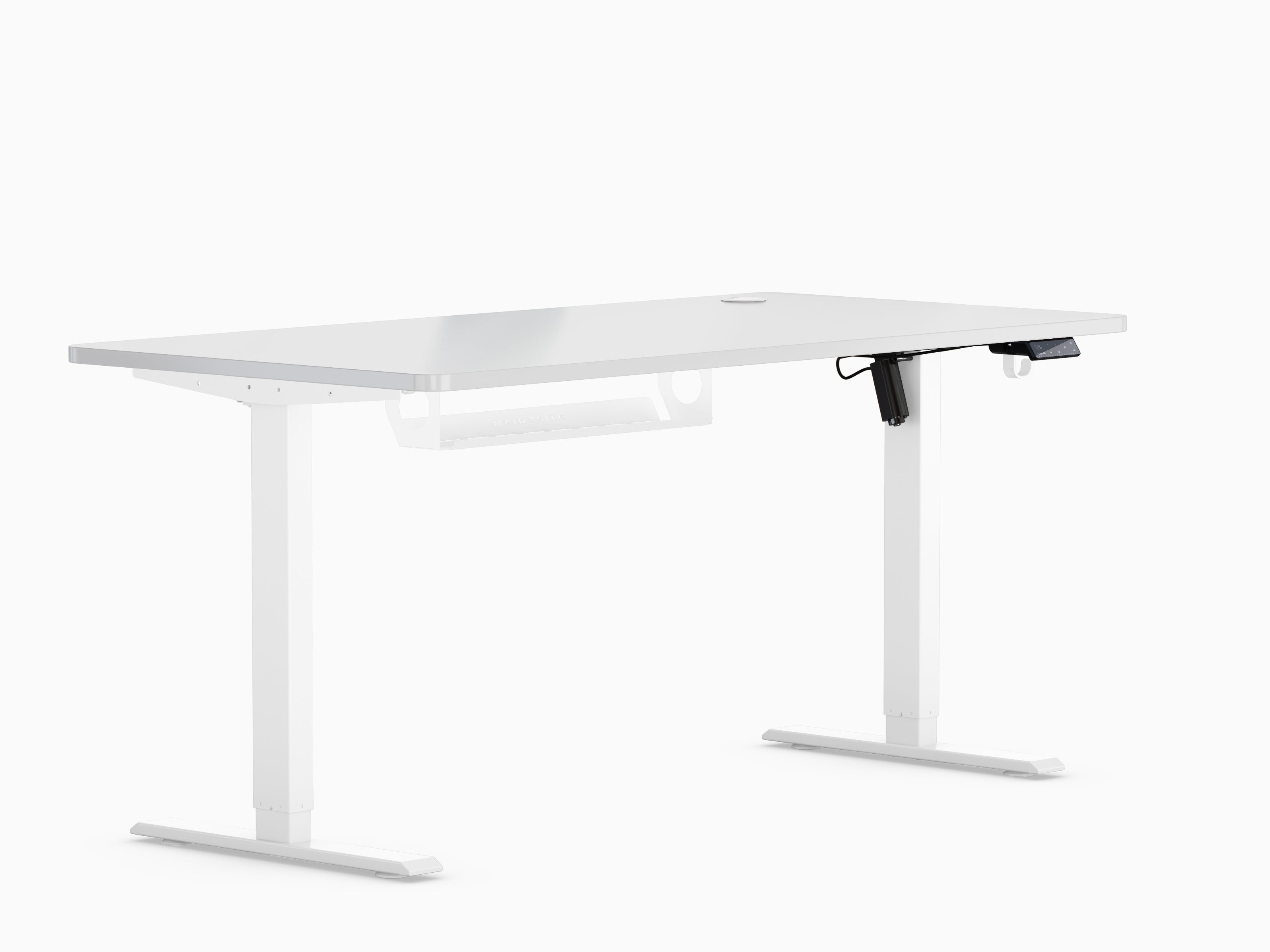
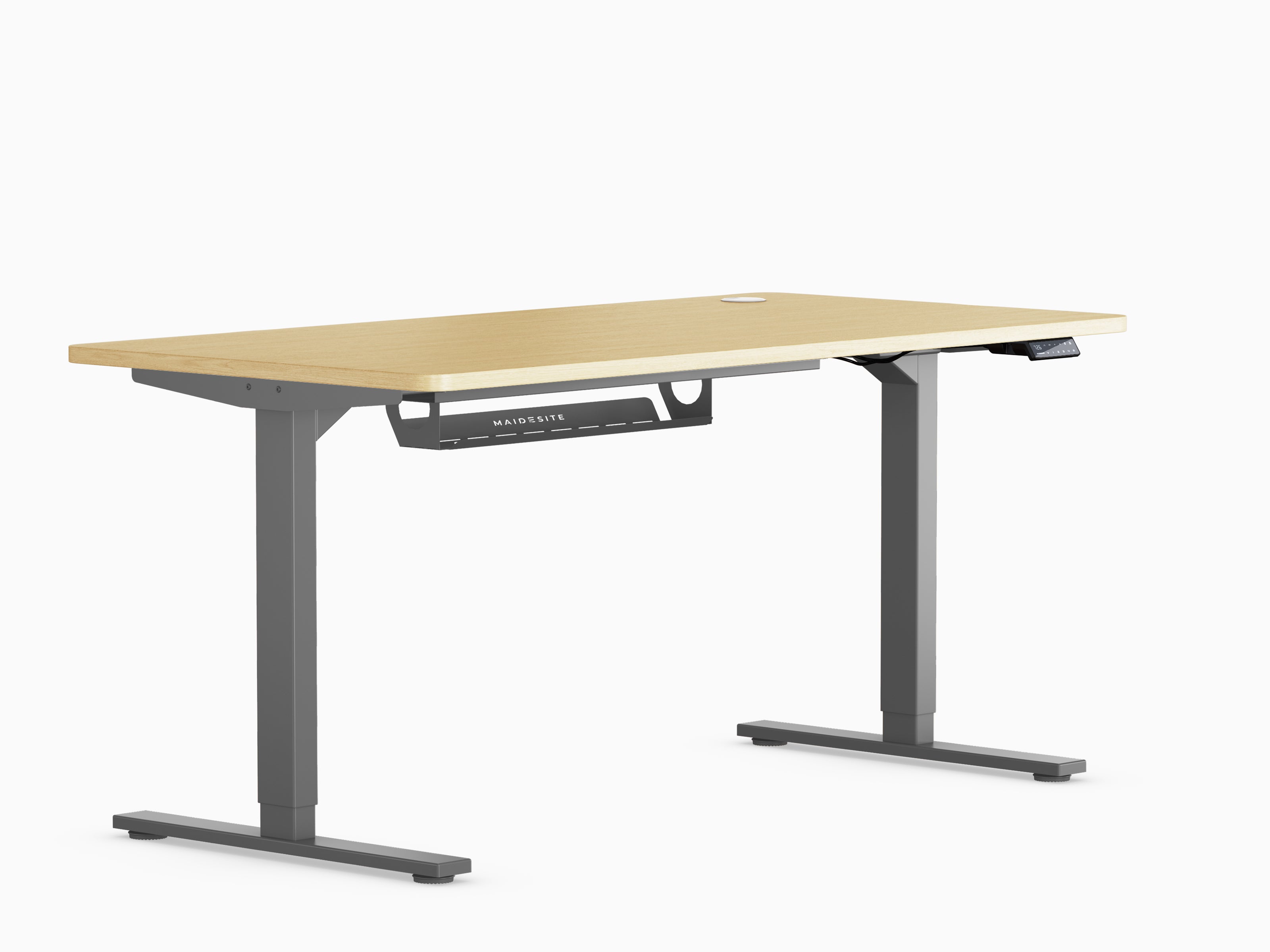
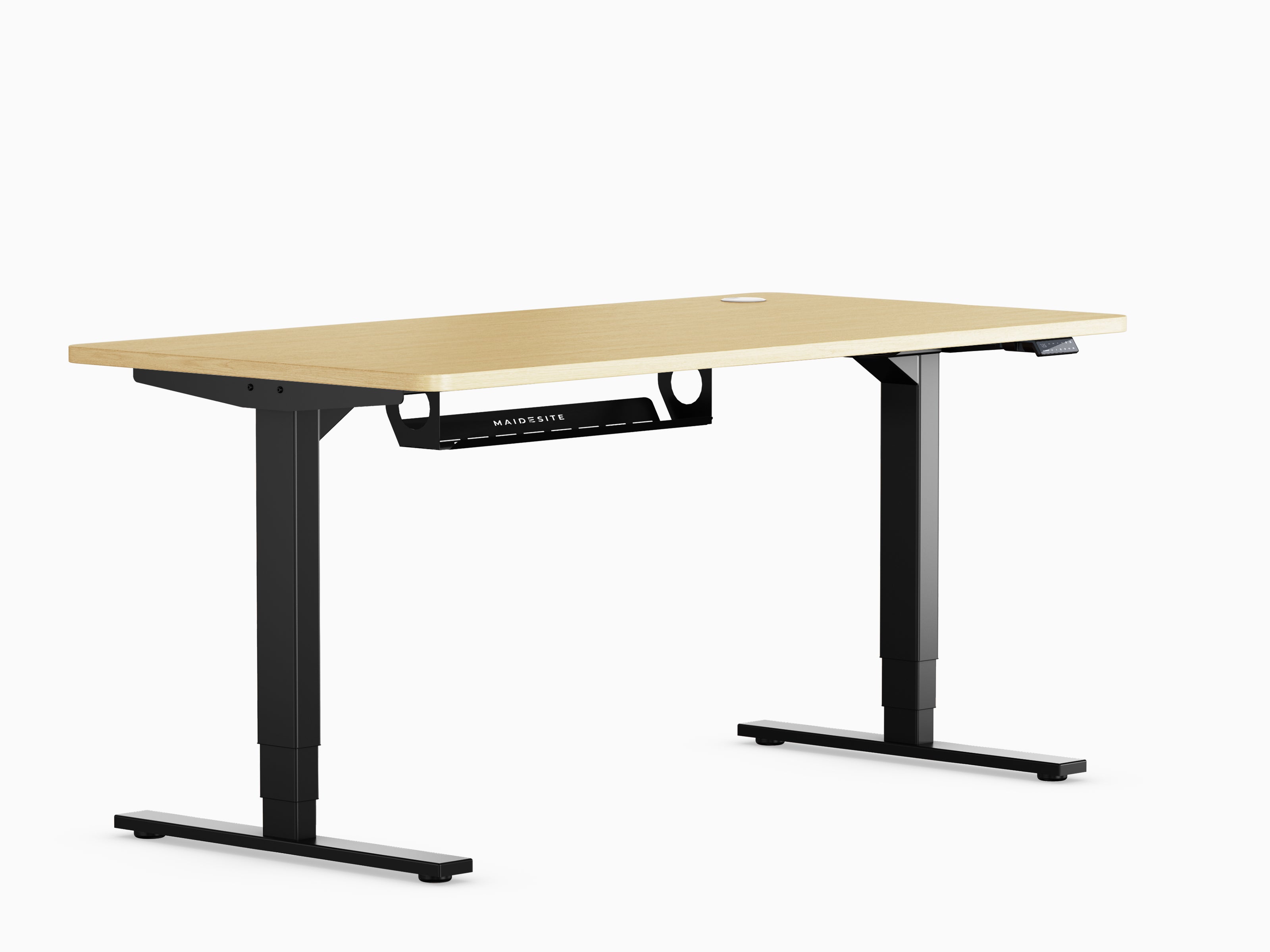
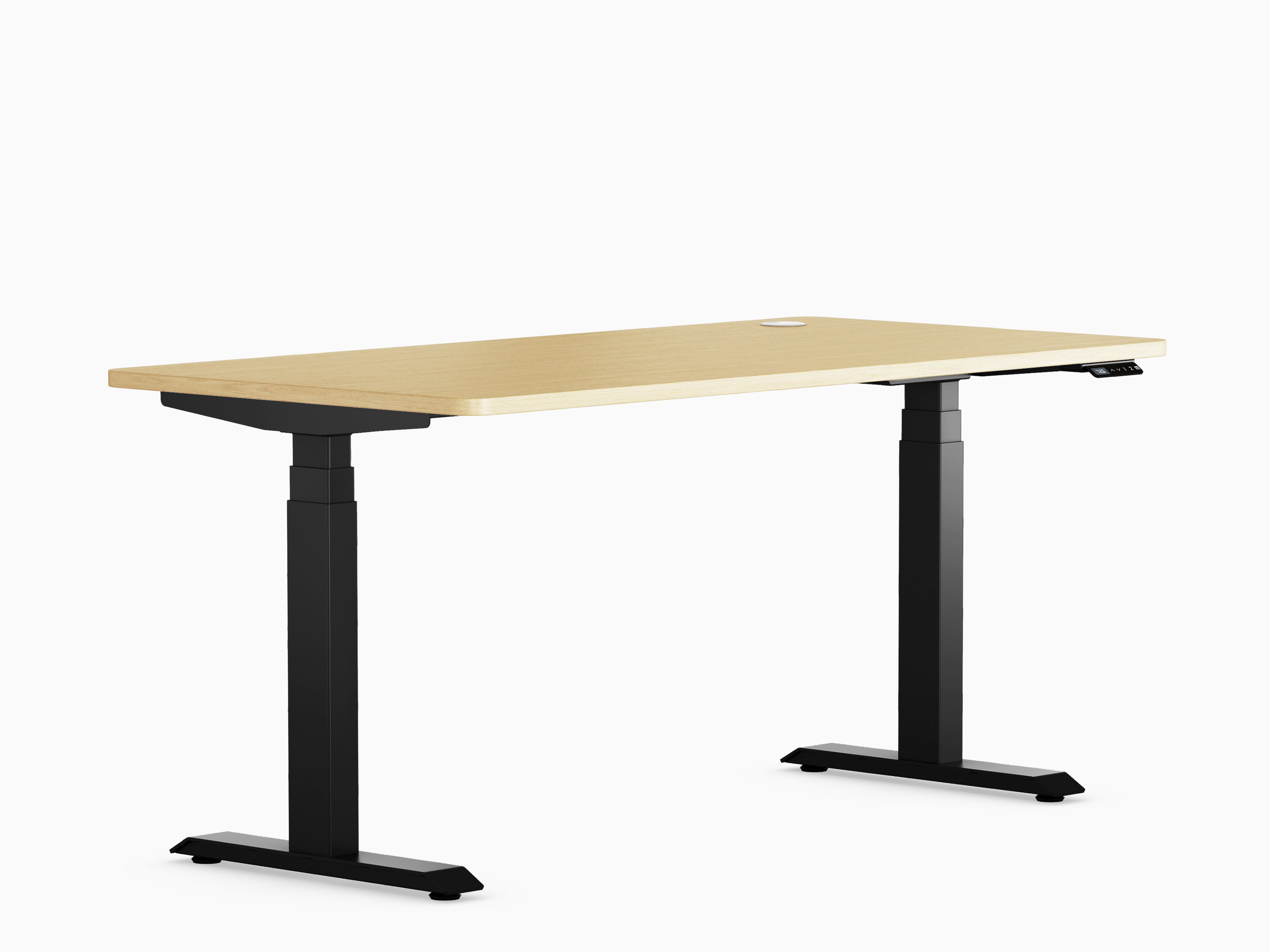
A height-adjustable desk brings noticeably more dynamism to the daily office routine. It allows you to switch flexibly between sitting and standing at any time – without any major effort. This simple option has a significant impact: the body is activated, back muscles are strengthened, the spine is relieved, and circulation is noticeably stimulated. Instead of remaining rigidly in one position for hours, the body stays in motion – and that's exactly what it needs to stay healthy.
Studies show that regularly switching between sitting and standing not only improves blood circulation but also leads to increased concentration and mental alertness. Many employees report feeling significantly less tired in the afternoon when they regularly adjust their workstation. Cognitive performance also increases – complex tasks can be completed more quickly and accurately. Productivity and well-being go hand in hand.
A practical example: The Techniker Krankenkasse (a German health insurance company) explicitly recommends the use of height-adjustable desks as part of modern, ergonomic office equipment in its official health guidelines. Internal surveys and external studies show that companies investing in movement-friendly workplaces experience significantly fewer sick days and noticeably higher job satisfaction. Employees who can move actively at work are not only healthier – they are also more engaged, creative, and motivated.

Practical tips for getting started
Getting started with height-adjustable desks is straightforward – and the benefits are often noticeable faster than you might expect. Even small changes to your daily work routine can have a significant impact.
- Start with short standing periods of 10 to 15 minutes per hour. The body will gradually get used to the new dynamic.
- When standing, pay attention to a relaxed, upright posture – shoulders relaxed, knees slightly bent, weight evenly distributed.
- Take advantage of the new freedom of movement: Stretch regularly, roll your shoulders, or take a few steps around the office while on the phone.
The important thing is: it's not about standing all day – it's about variety. Over time, switching between sitting and standing becomes a natural routine. The body reacts positively, the muscles become more active, and back pain noticeably decreases. In this way, a healthier workday develops step by step – without much effort, but with lasting effects.
What do experts say?
Experts in medicine, ergonomics, and occupational science agree: Height-adjustable desks make a valuable contribution to back health. They allow for the necessary alternation between sitting and standing – and this has been proven to reduce the risk of musculoskeletal disorders.
The Federal Institute for Occupational Safety and Health (BAuA) explicitly recommends ergonomic workplaces. In its guidelines, it advises height-adjustable desks – especially for computer workstations. BAuA studies show that employees who regularly alternate between sitting and standing complain less about back pain and feel better overall.
Furthermore, orthopedists and physiotherapists warn against accepting back pain as merely an "occupational hazard." The German Society for Orthopedics and Orthopedic Surgery (DGOOC) emphasizes that prevention is key – and height-adjustable desks are a simple first step in this direction.
Health insurance companies like AOK or Techniker Krankenkasse (TK) also regularly provide information about the benefits of active work. They sometimes even support companies in implementing ergonomic concepts as part of their workplace health management programs.
The message is clear: Anyone who wants to work healthily needs to bring movement into their daily office routine – and a height-adjustable desk is the ideal tool for this.

Positive examples from companies
Many companies in Germany, Austria and Luxembourg are already using height-adjustable desks – with great success:
- Deutsche Telekom has introduced height-adjustable workstations in many of its offices. Internal surveys show that over 70% of employees feel healthier as a result.
- At SAP in Walldorf, the desks are part of the "Flexible Office" concept. Employees report that they remain more alert and focused during long meetings.
- Erste Bank in Vienna has gradually equipped its offices with height-adjustable desks. The feedback: less back pain and more energy in the workday.
Even smaller companies benefit. A marketing agency in Salzburg restructured its graphics department. The result: fewer absences and more creative ideas.
Funding opportunities for companies
Investing in ergonomic workplaces pays off – financially as well. Numerous funding programs are available in Germany, Austria, and Luxembourg:
- The German Pension Insurance supports companies with subsidies for ergonomic workplace design.
- In Austria, the “fit2work” consulting service helps companies implement ergonomic measures.
- Luxembourg offers subsidies for health-promoting office furniture through the Accident Insurance Association (AAA).
Small and medium-sized enterprises in particular can use this support to introduce height-adjustable tables across the board.
Conclusion: Avoid back pain – with small changes that make a big difference
Height-adjustable desks are more than just a piece of furniture. They are a tool for healthier work, increased motivation, and long-term business success. Anyone who wants to do something good for their back should make alternating between sitting and standing a habit.
A height-adjustable desk is the first step towards a more pain-free workday – step by step, day by day. Even just a few minutes of standing per hour makes a big difference: blood circulation improves, tension is relieved more quickly, and concentration is maintained for longer.
And the best part: the switch is easy. A height-adjustable desk can be seamlessly integrated into everyday office life – without any major renovations. Often, small changes are enough to achieve a big impact.


