










Neck tension caused by incorrect seat height: Here's how to solve the problem

In times of home office jobs and long hours spent in offices, more and more people are complaining of neck pain. This neck pain is often accompanied by headaches or shoulder pain. One important cause is often overlooked: incorrect seat height at the workplace. This article explains how incorrect sitting posture leads to tension and offers practical solutions to protect your health.

1. What causes neck tension in the workplace?
An unsuitable seat height is one of the main reasons for physical discomfort when working from home or in the office. Here are the most common causes:
● Incorrect posture :
If the desk chair is not adjusted to the correct height, it leads to incorrect posture. For example, a desk chair that is too low causes the shoulders to be automatically raised, which puts a lot of strain on the neck.
● Lack of lumbar support :
Without support of the lumbar spine, the body assumes a compensatory posture, which can often lead to tension, especially in the neck area.
● Incorrect screen position :
If the screen is not at eye level, the head has to be constantly tilted up or down. This increases the strain on the neck muscles.
● Physical reactions :
In the long term, this results in tense muscles, headaches and concentration problems – a vicious cycle that is ultimately triggered by incorrect sitting posture.

2. Why is the correct seat height so important?
Seat height plays a central role in meeting essential ergonomic requirements for a pain-free workday. Here are the key points that illustrate why it is so crucial:
● Ergonomic sitting : An optimal sitting position means that the knees and elbows form a 90-degree angle. This relieves the joints and ensures a natural posture.
● Ideal placement of work equipment : The screen should be at eye level, the keyboard and mouse at elbow height. Even small deviations can lead to poor posture and strain in the long run.
● Consequences of deviations : An incorrect seat height often has serious consequences. A chair that is too low, for example, leads to raised shoulders, which can cause tension in the neck area in the long term.
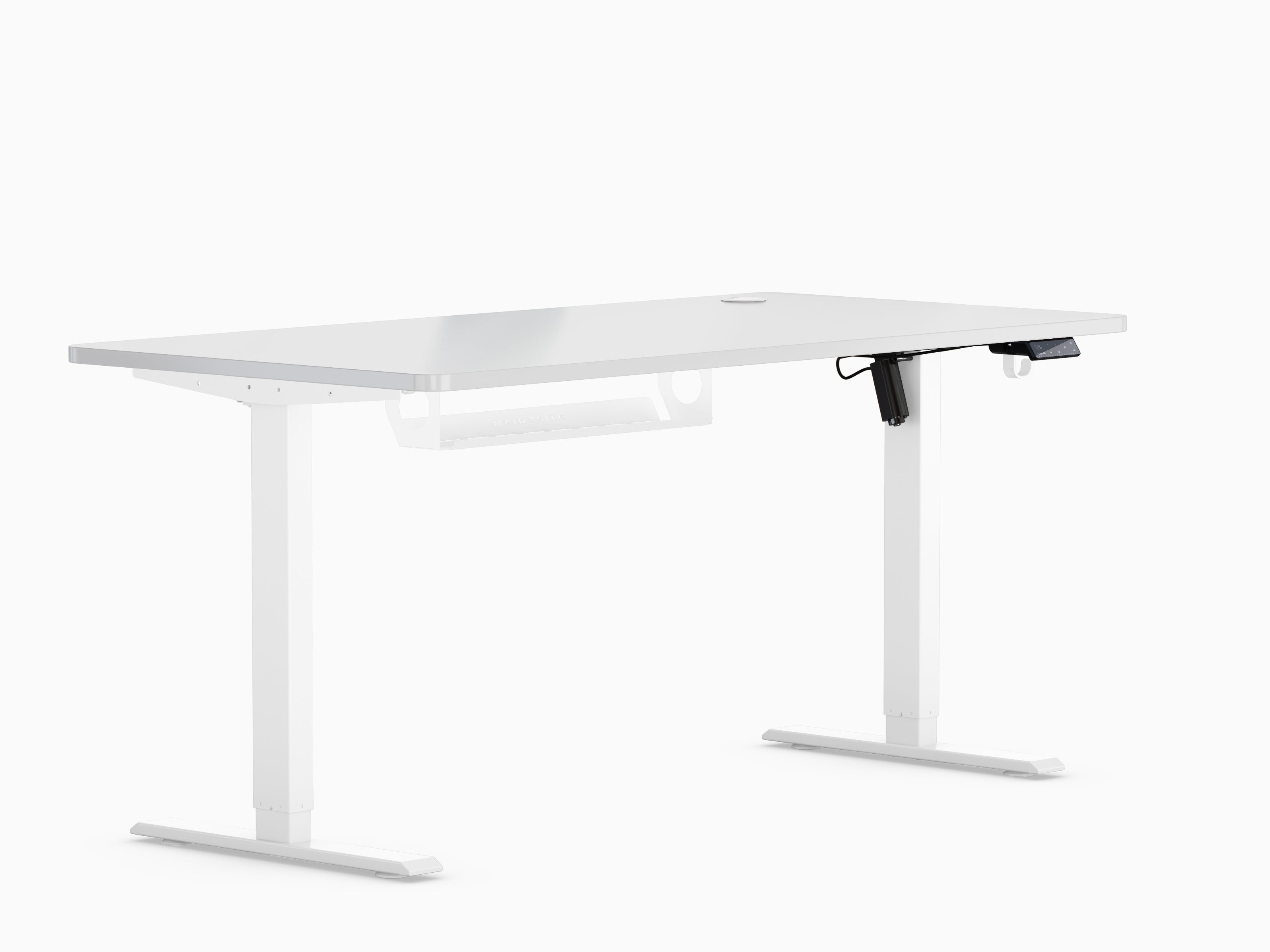
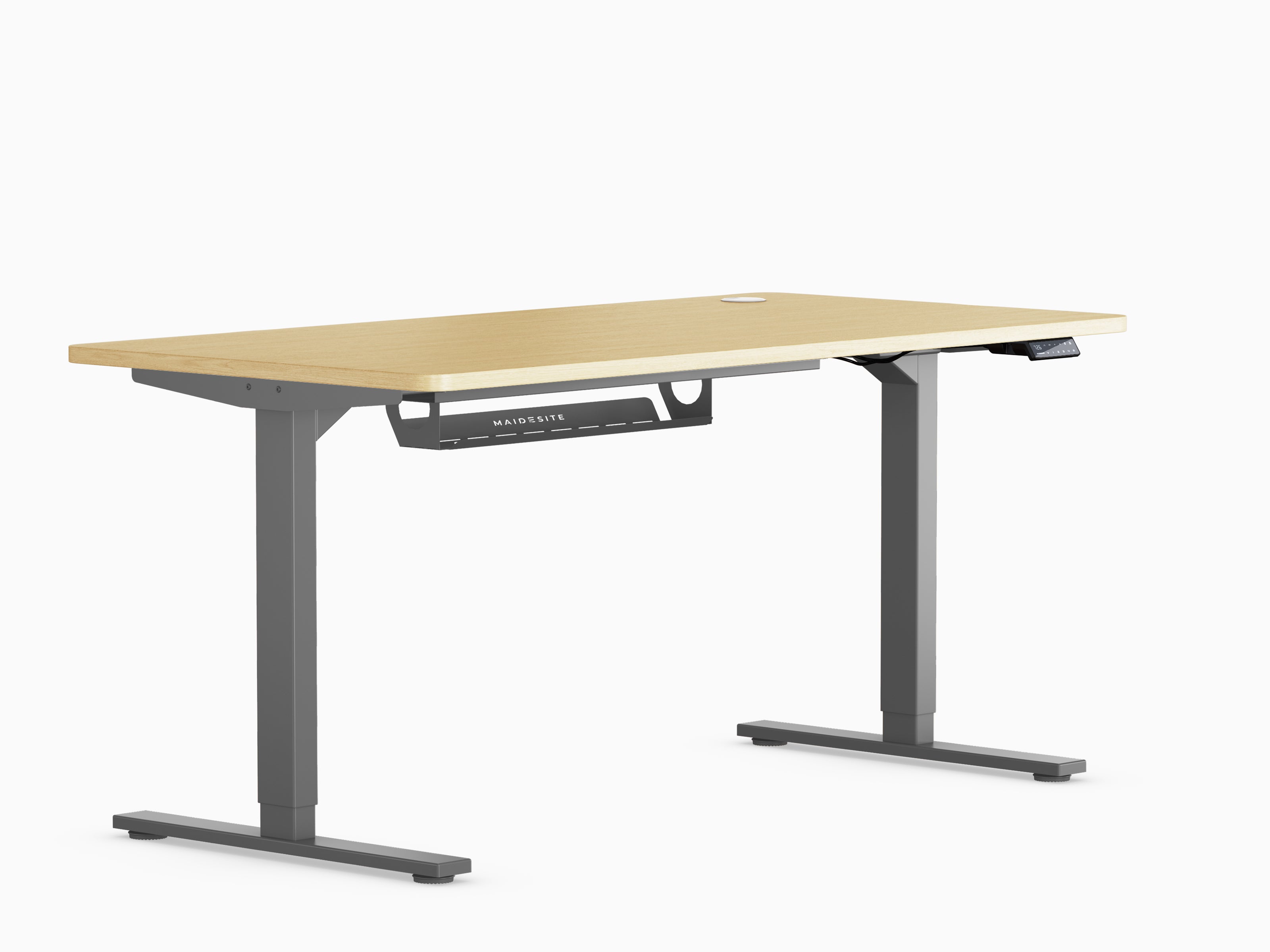
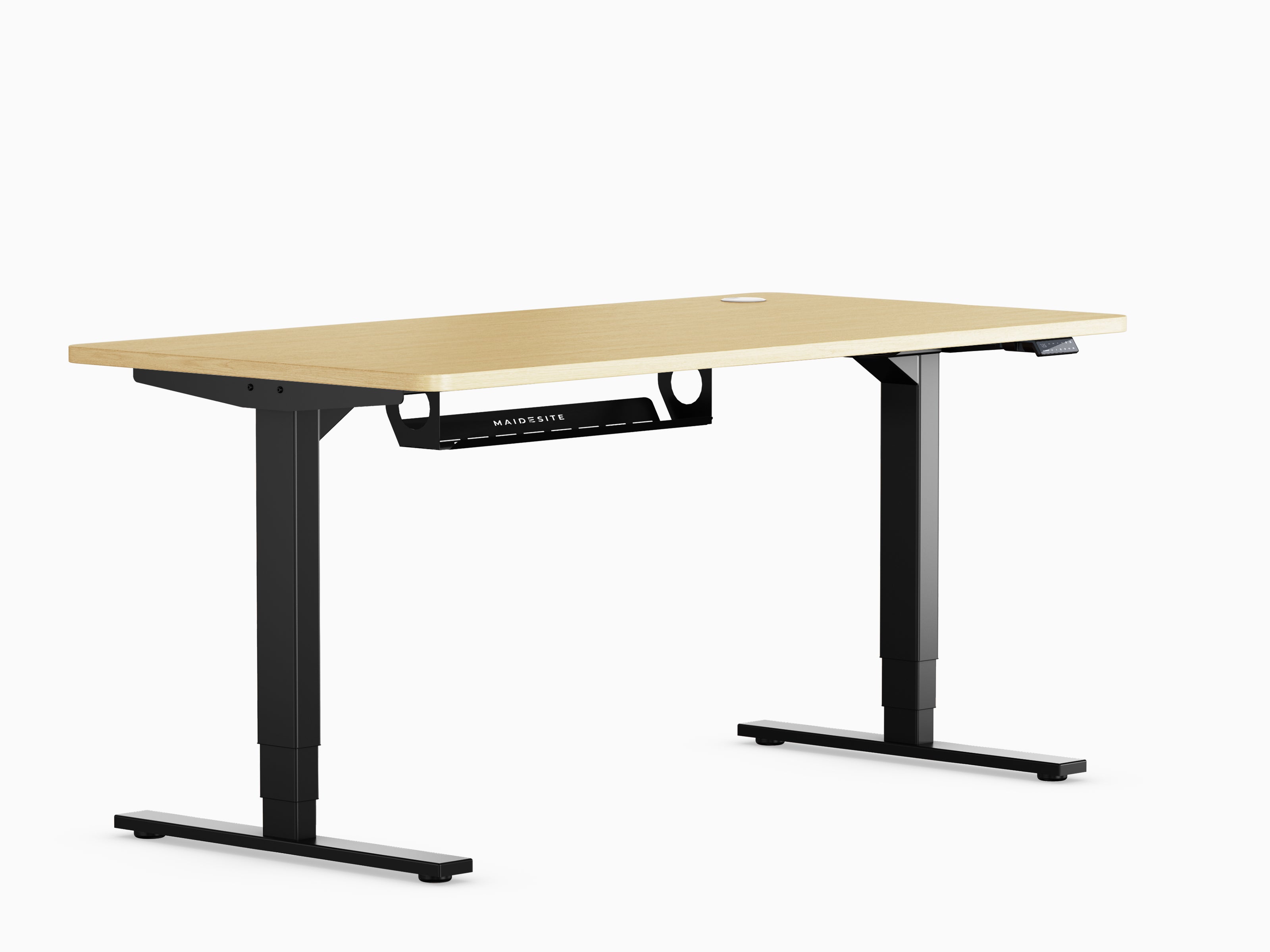
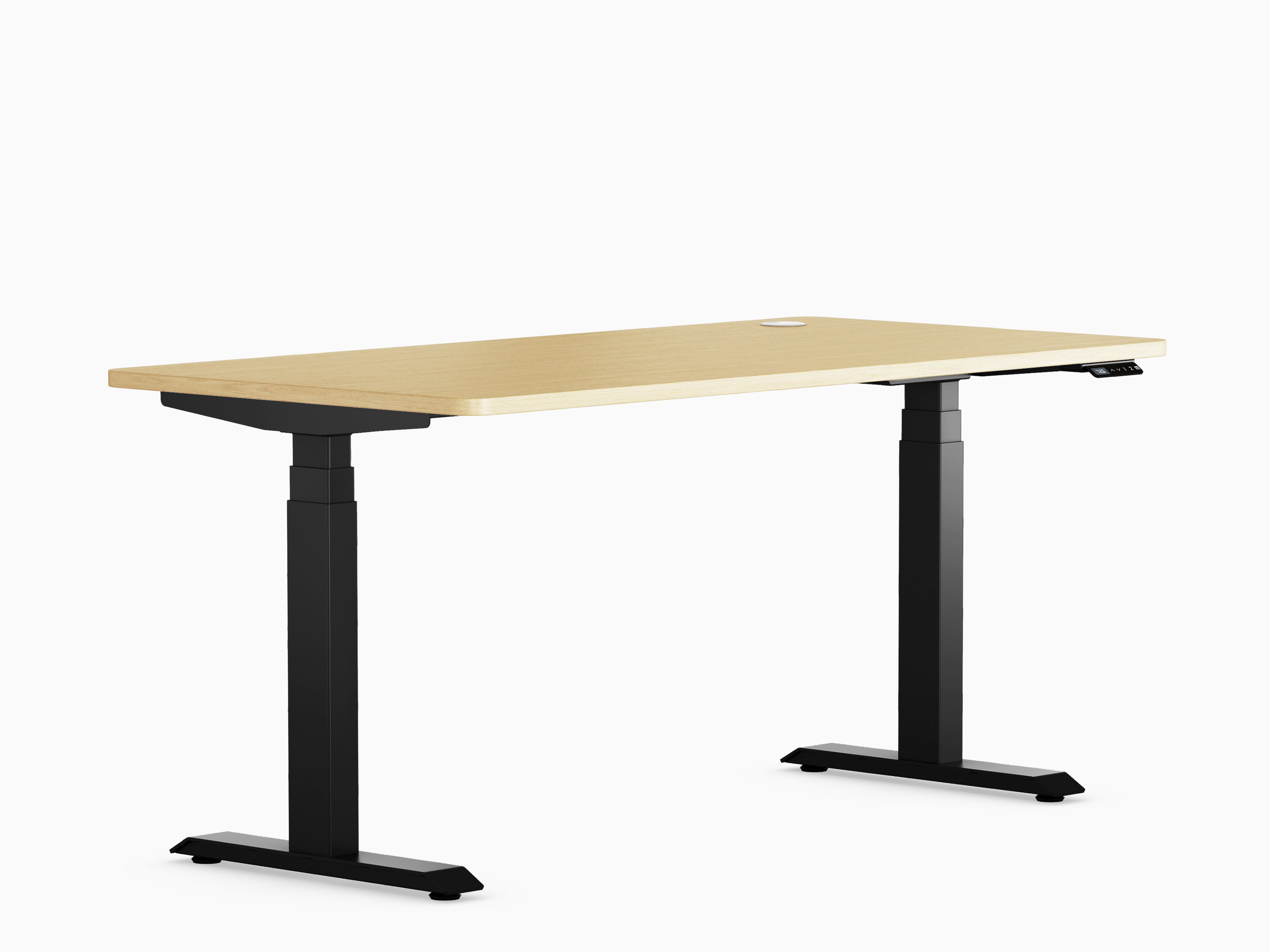
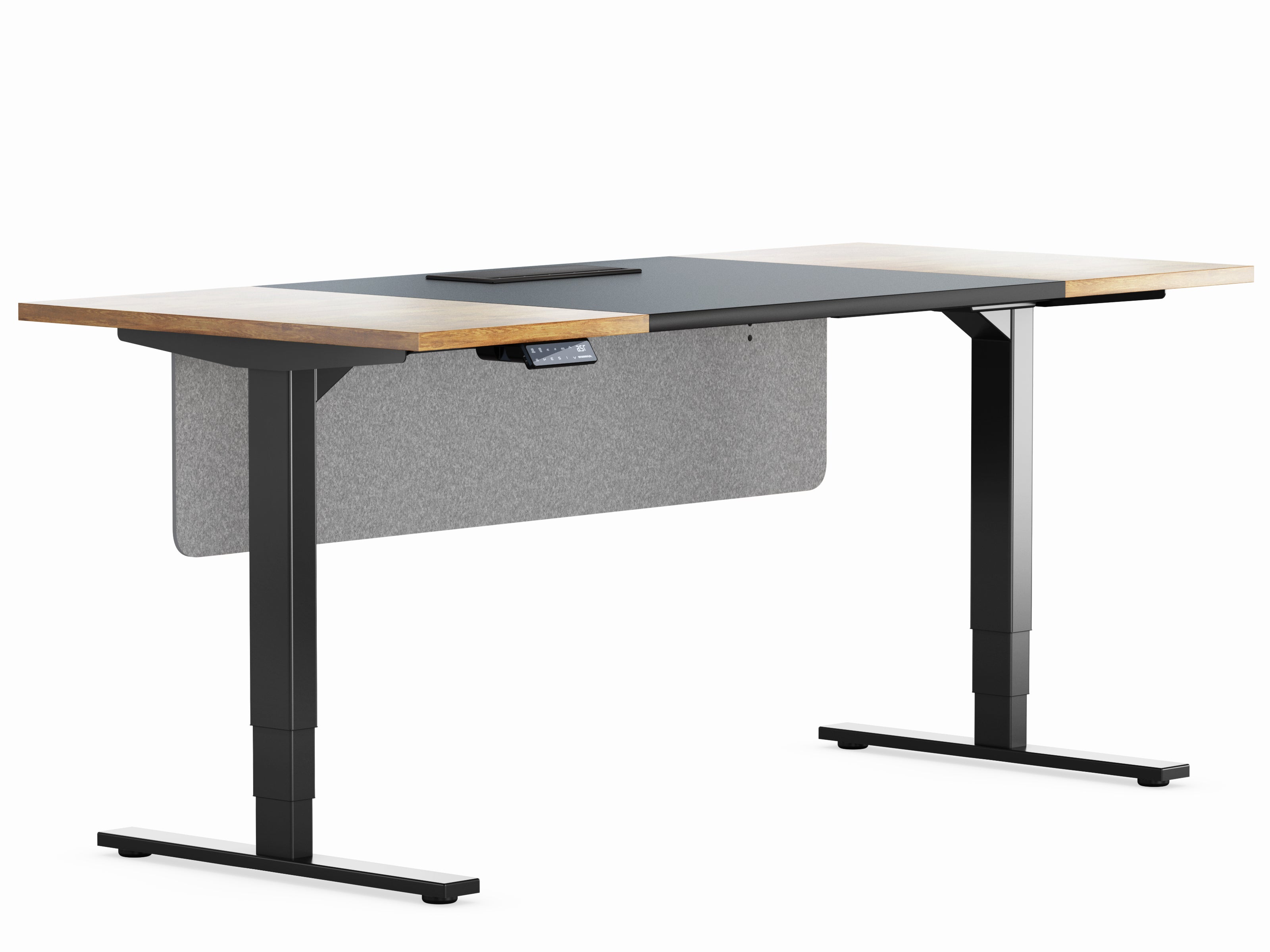
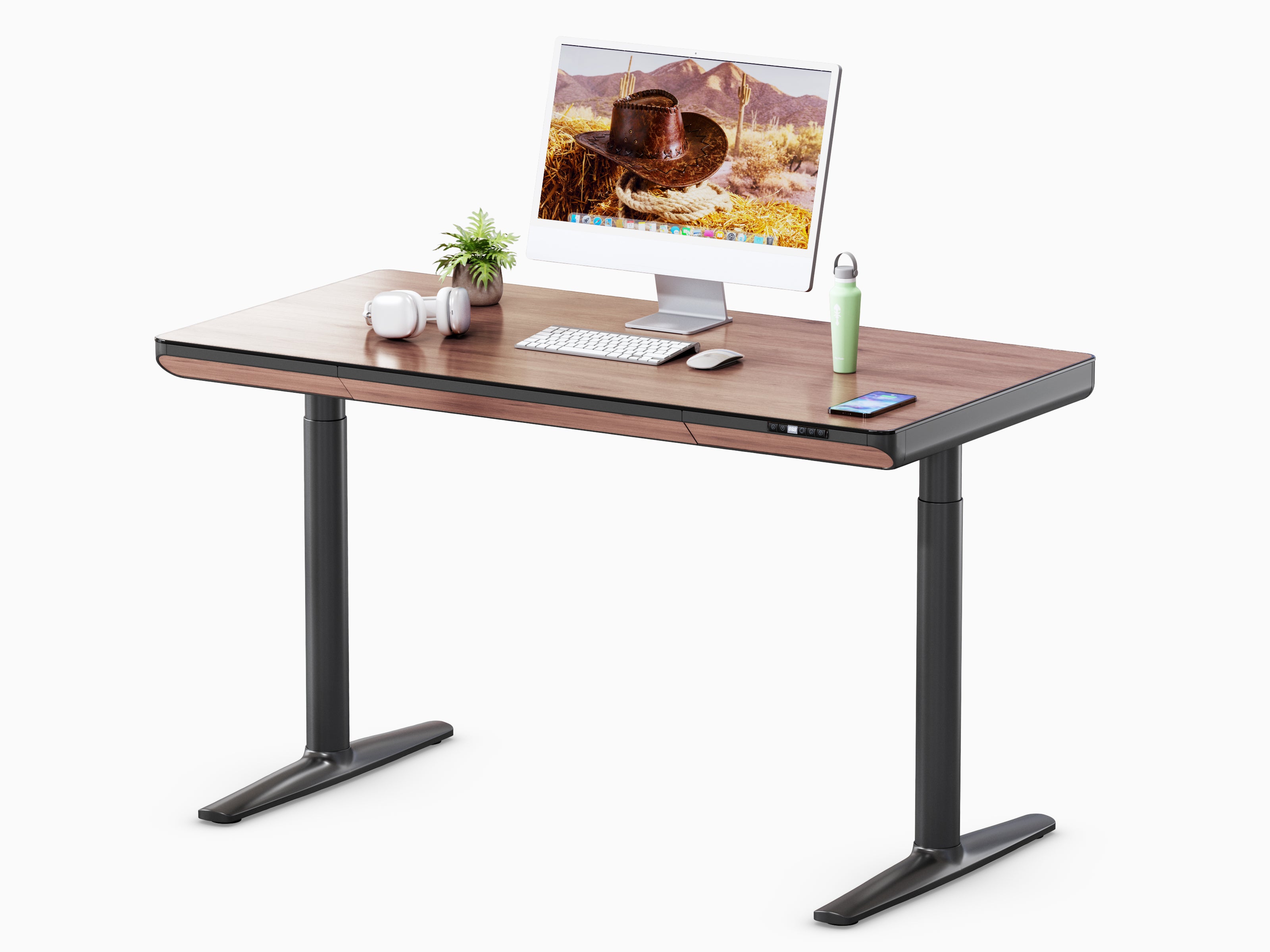
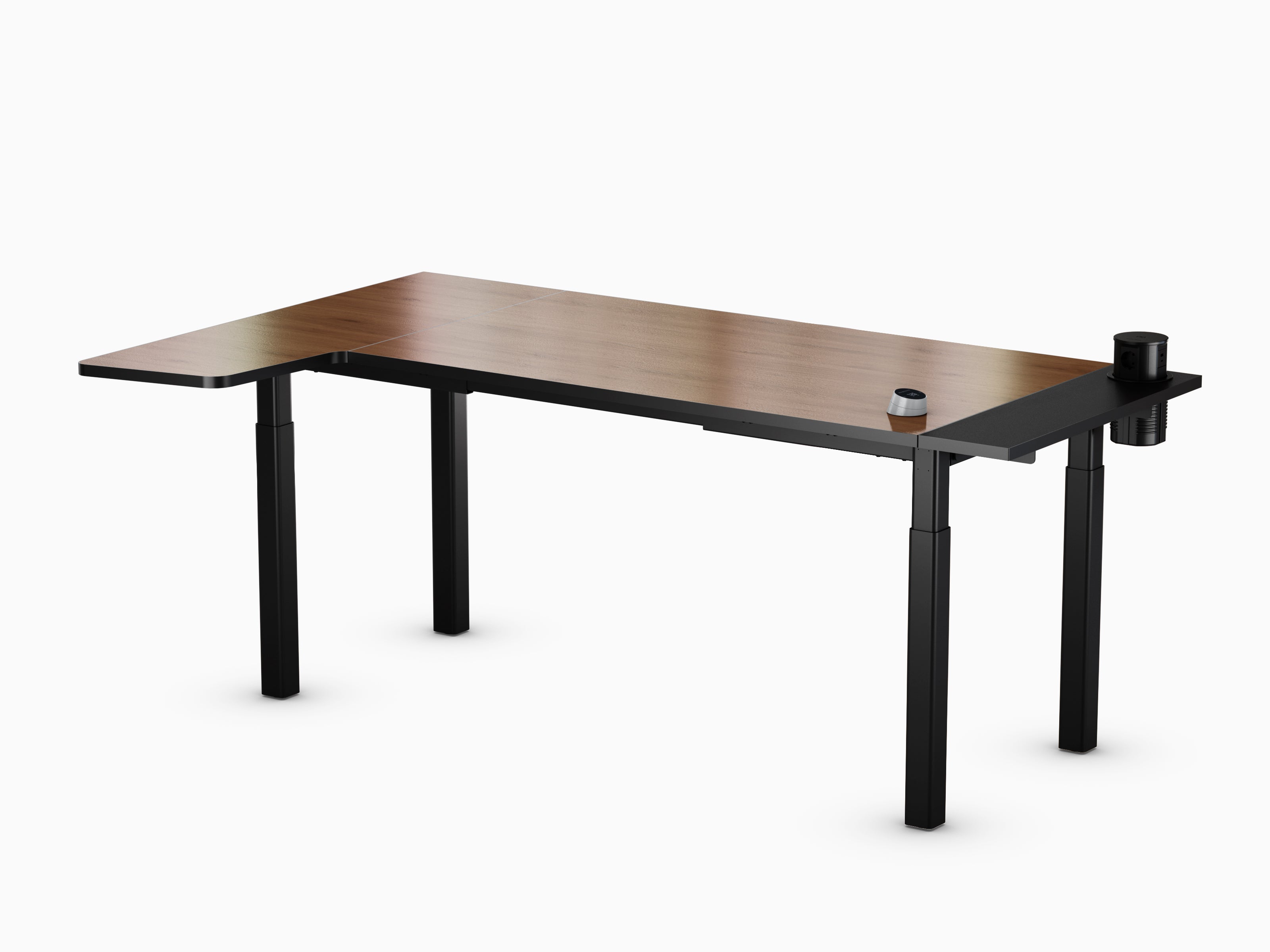
One possible solution: An electrically height-adjustable desk makes it possible to precisely adjust the working height and thus avoid incorrect postures.
3. How to optimally set up your workplace
An ergonomically designed workspace is key to less tension and improved well-being. Here's how to do it:
a) Adjust the seat height correctly
● When sitting, the knees should be at a 90-degree angle, and the feet should be flat on the floor.
● The lumbar spine should be well supported – an ergonomic desk chair, such as the Maidesite EC6 office chair with adjustable backrest and breathable material, is ideal for this . This chair is perfect for long hours working from home or in the office.
b) Customize the desk to suit individual needs
● Many conventional desks are either too high or too low, forcing the body into unnatural positions.
● The solution: A height-adjustable desk , such as the electrically height-adjustable Maidesite Desk T2 Pro Plus , which offers a memory function for your preferred height. With such a desk, you can comfortably switch between sitting and standing, which will significantly reduce your back and neck pain.
c) Position monitor and accessories correctly
● The monitor should be positioned so that its top edge is slightly below eye level. This will prevent you from constantly tilting your head.
● The keyboard and mouse should be positioned at elbow height to avoid putting unnecessary strain on the shoulders.
● Ergonomic accessories such as a height-adjustable monitor mount or a practical cable management system can also provide additional order and comfort and round off your new office.
4. Additional tips for reducing neck tension
Besides good ergonomic furnishings, there are other simple measures to prevent neck pain:
● Take regular breaks : Stand up at least once an hour, stretch and loosen tense muscles.
● Movement : Incorporate short exercises specifically designed to loosen the neck and shoulder area.
● Adopt a conscious posture : Regularly check your sitting posture and correct it if necessary.
● Use ergonomic aids : For example, footrests or foam rollers to reduce pressure on the back.
● Promote muscle relaxation : Hot or cold packs and massage rollers can help to relieve acute tension.
Summary
Neck tension caused by an incorrect seat height is a frequently underestimated problem. With the right combination of an ergonomic office chair (e.g., the Maidesite EC6 ), an electrically height-adjustable desk (e.g., the T2 Pro Plus ), and the integration of mindfulness into your workday, such discomfort can be prevented sustainably and effectively. Invest in an ergonomically designed workspace and not only enjoy greater comfort while working from home, but also significantly improve your health and well-being.


