









Statistics: How many Germans suffer from office-related illnesses?

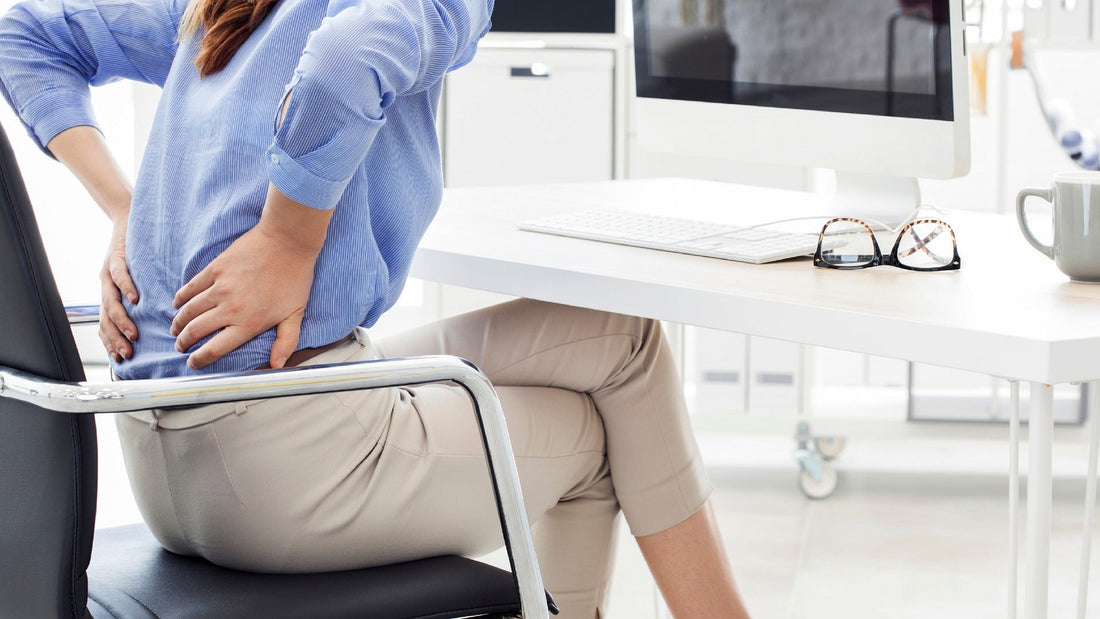
These days, more and more Germans spend their working days in an office. With an average of 9.2 hours per day, office workers sit longer than ever before – often in awkward postures and with little movement. The consequences are serious: back pain, tendonitis, eye problems, and psychological stress are now commonplace for many employees. These so-called "office illnesses" not only cause personal suffering but also place a significant burden on the healthcare system and the economy due to absenteeism. But how widespread is this problem in reality? This article examines current statistics and presents measures for preventing office illnesses.

Current statistics on office-related illnesses in Germany
The figures speak for themselves: According to a study by the Robert Koch Institute, 61.3% of respondents suffer from back pain at least once a year. In 15.5% of cases, these complaints develop into a chronic condition. The statistical
The Federal Statistical Office recorded that in 2023 alone, each employed person was on sick leave for an average of 15.1 days. With approximately 45.9 million employees, this resulted in a total of almost 700 million days of incapacity for work – a considerable economic loss amounting to several billion euros. Particularly striking is the fact that about a quarter of these absences can be attributed to musculoskeletal disorders , which are closely linked to workplace design and office work.
More worrying figures
The Federal Institute for Occupational Safety and Health (BAuA) documented in its
A stress report from 2019 states that:
- 51% complained of pain in the neck and shoulder area;
- 35% suffered from headaches;
- 49% reported general tiredness, lethargy, or exhaustion; and
- 21% had pain in their arms.
These complaints often occur in combination and can exacerbate each other, leading to extended periods of absence and chronic health problems. Experts agree that a large proportion of these specific absences could be avoided through preventive ergonomic measures in the workplace – a tremendous opportunity for employers and the healthcare system alike.
Causes of office-related illnesses
The main causes of increasing health problems in the workplace are
multifaceted:
- Ergonomically inadequate workplace design: Non-height-adjustable
Desks force many employees into a rigid sitting posture, while
conventional office chairs without individual adjustment options additional
They can promote poor posture. - Lack of exercise: According to a study by the German Pension Insurance, office workers spend 8.5 hours a day sitting – at work, commuting and during their free time.
- Digital overload: Constant screen work not only strains the eyes, but also leads to one-sided movement patterns when using the keyboard and mouse.
- Psychological factors: stress, time pressure, and the increasing blurring of boundaries.
Work and private life exacerbate physical tension and contribute to musculoskeletal disorders. - Insufficient information: Despite existing occupational safety guidelines, many people are unaware of the relevant regulations.
Employees and employers know too little about ergonomics
Workplace design.

Solutions and preventive measures
The good news: In many cases, office-related illnesses are preventable. Effective
Preventive measures include:
Ergonomic workplace design : With ergonomic office chairs and
Height-adjustable desks offer an immediate solution.
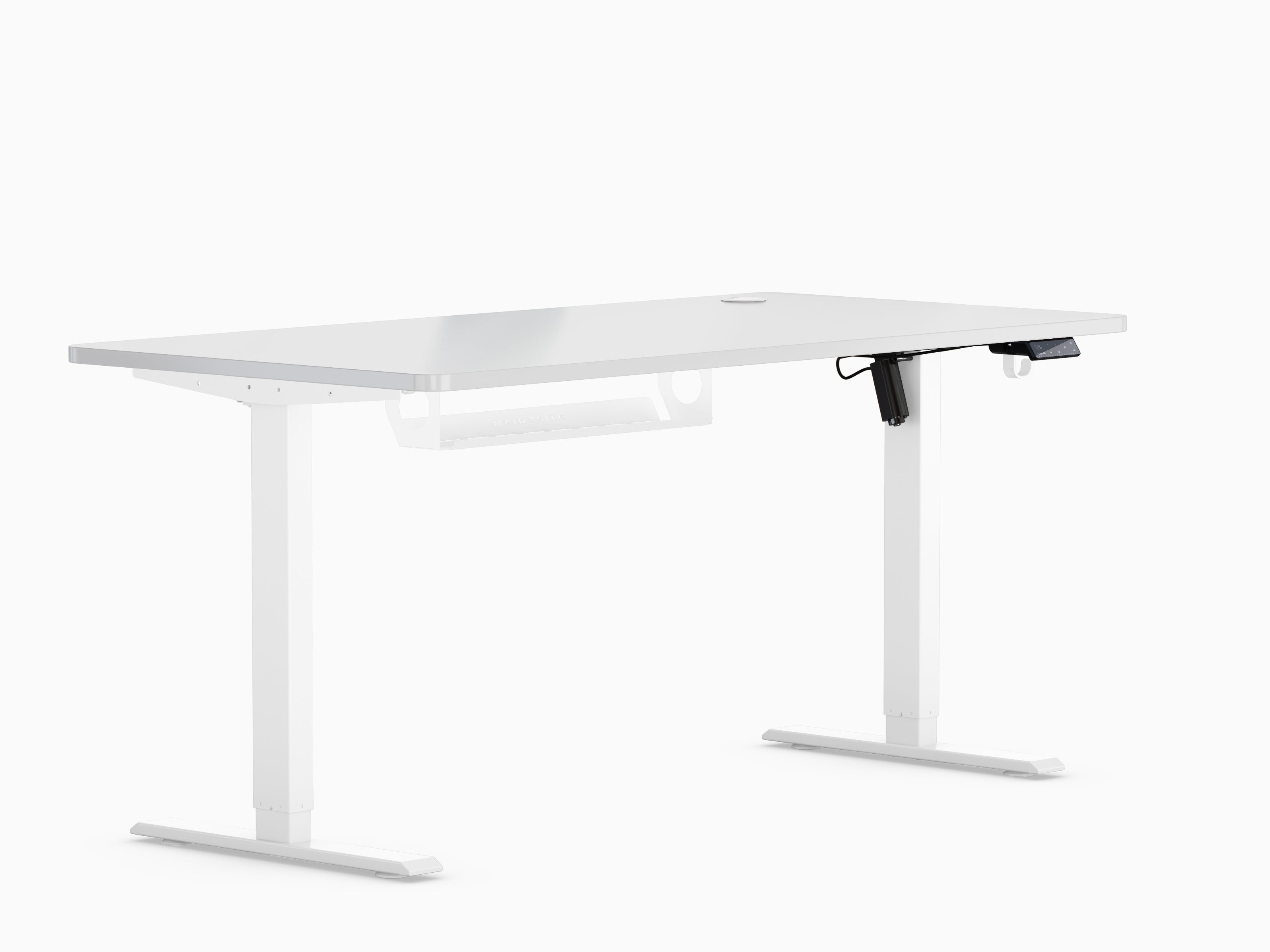
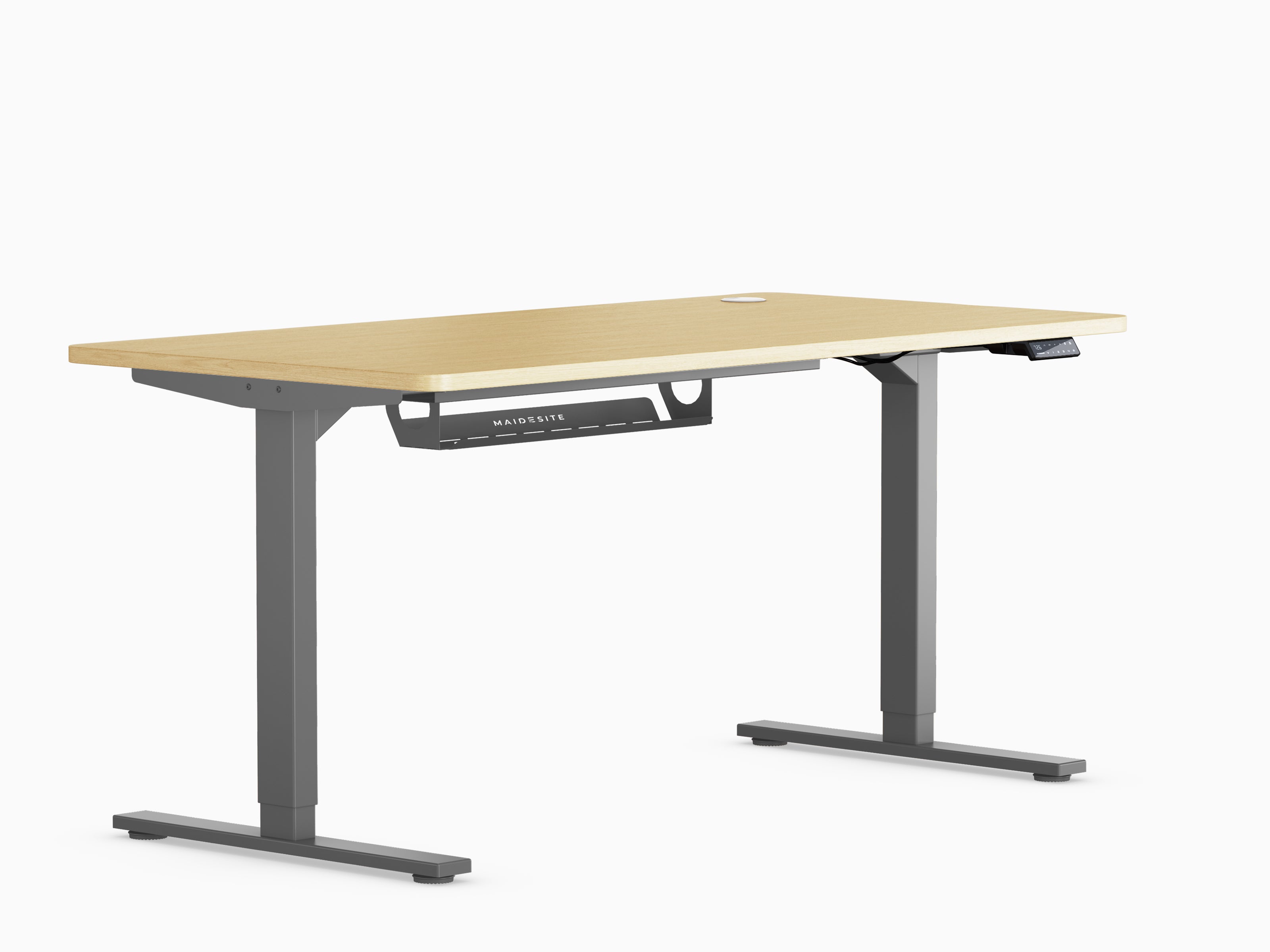
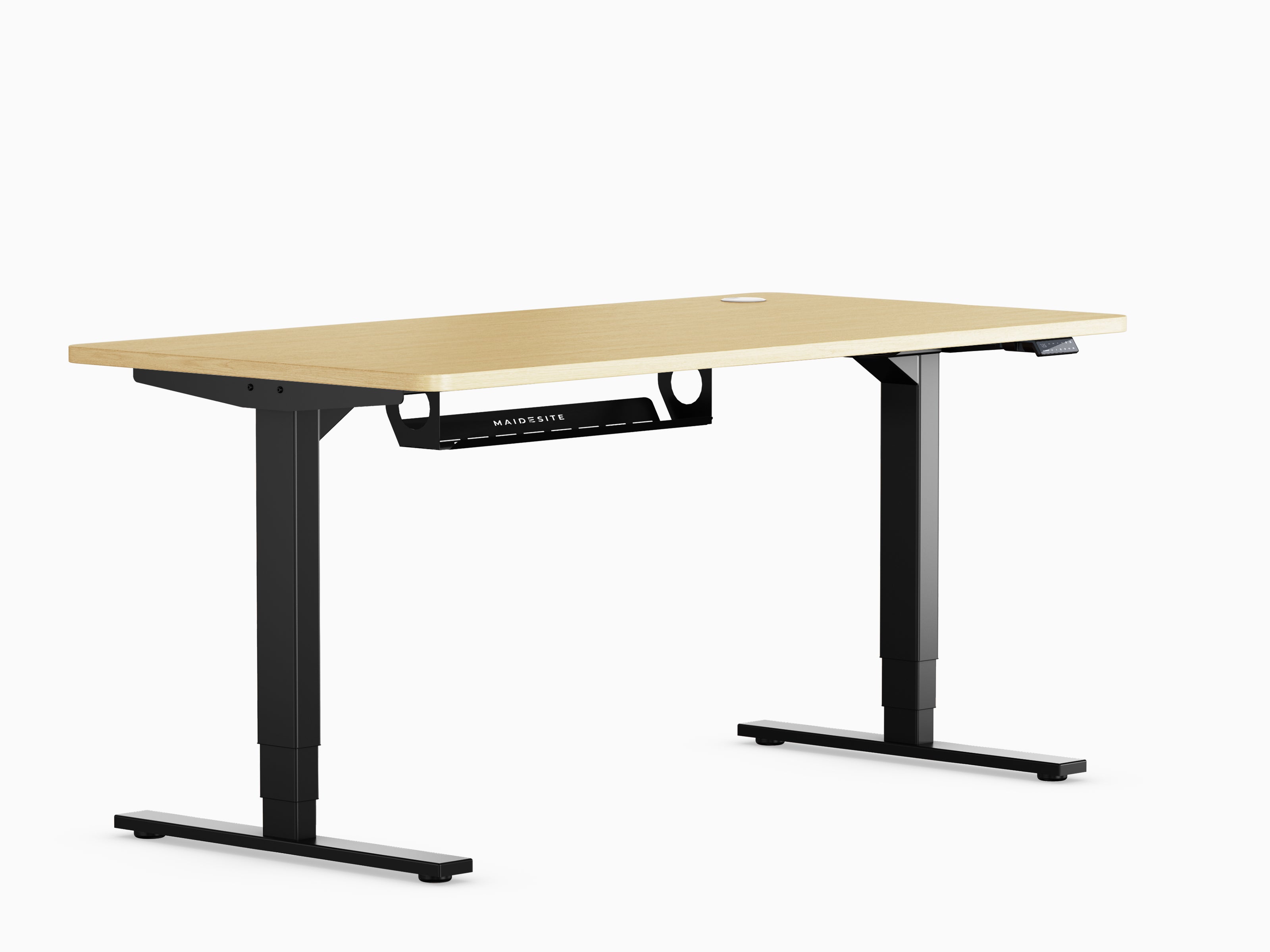
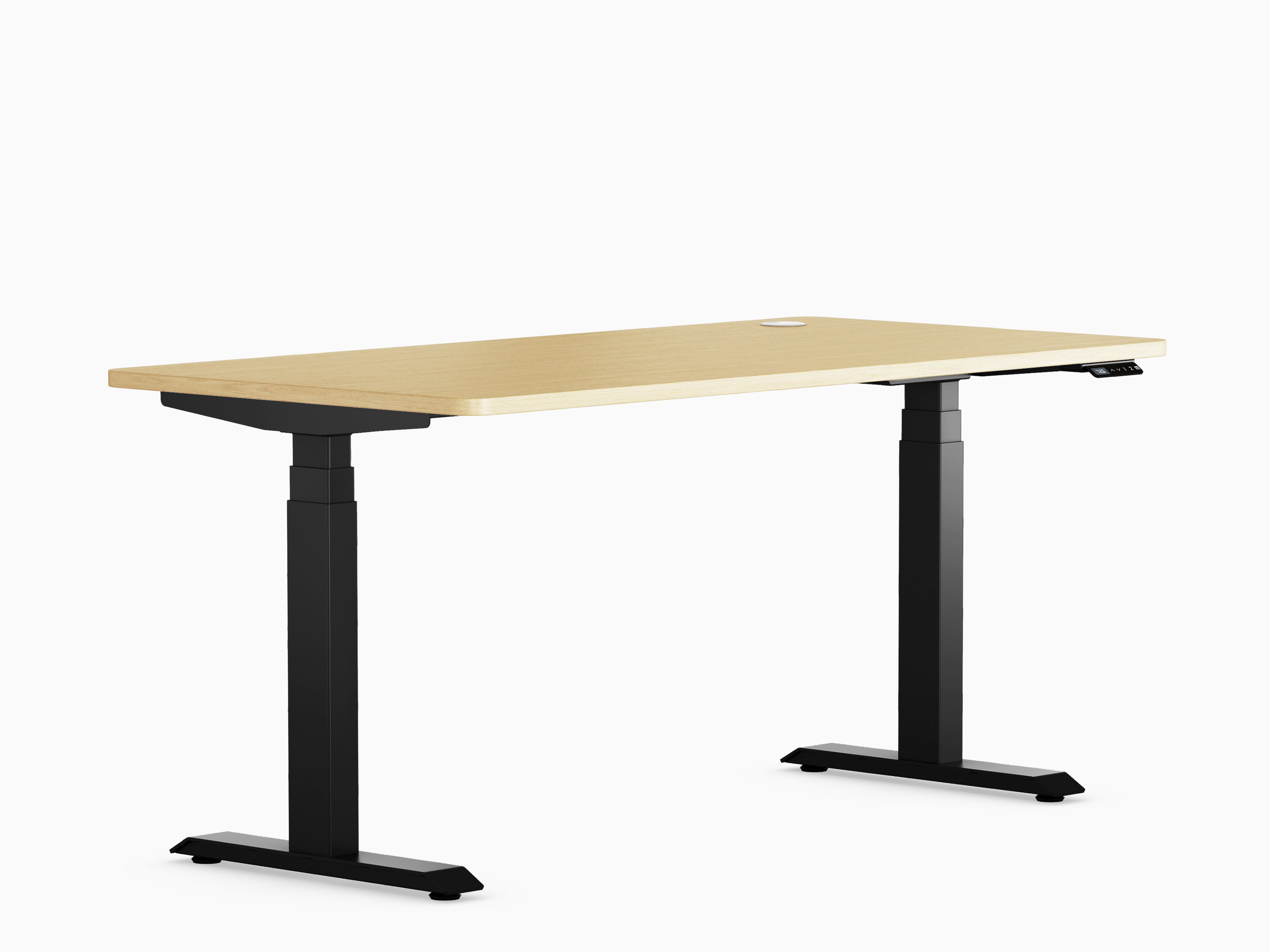
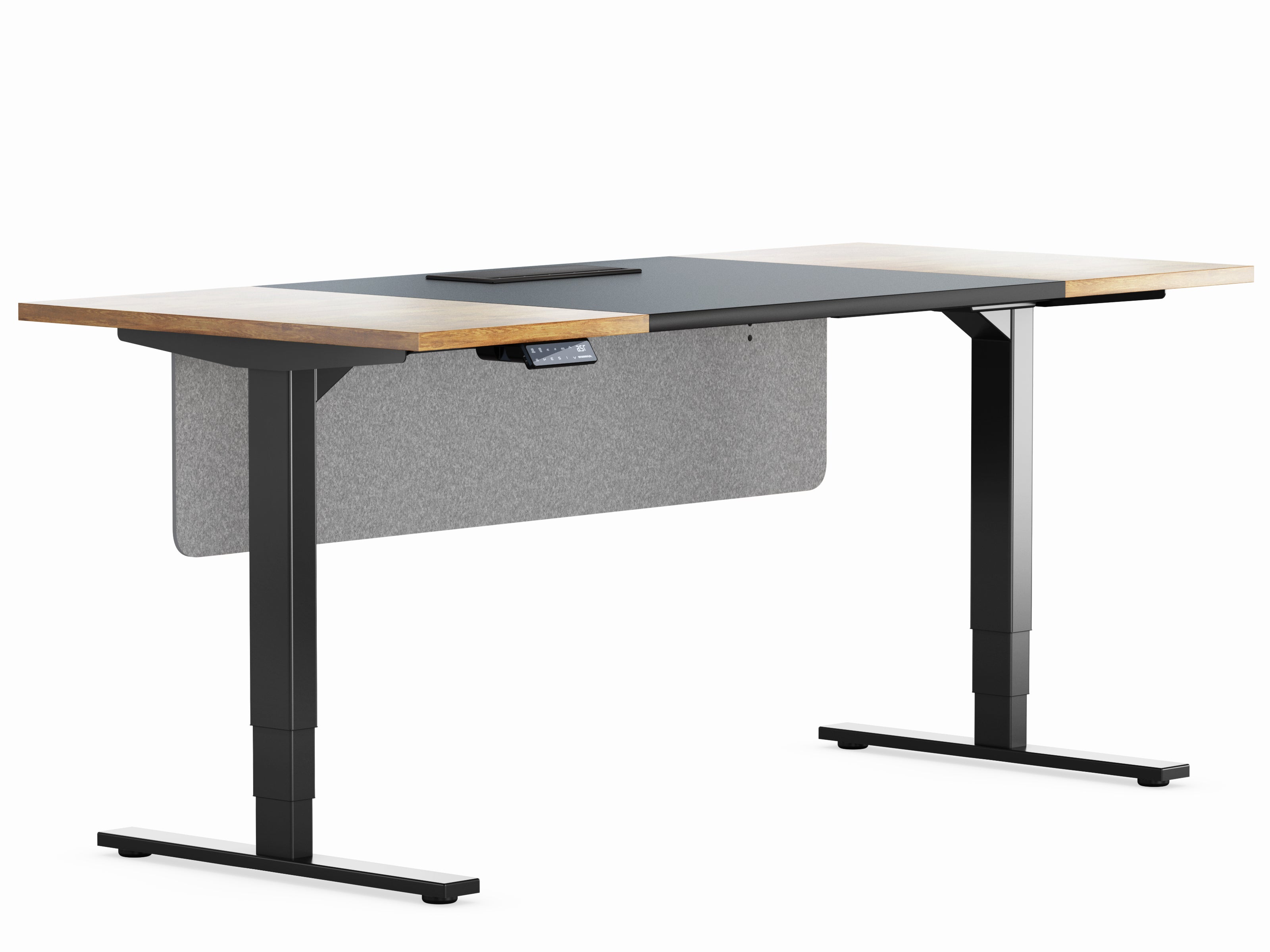
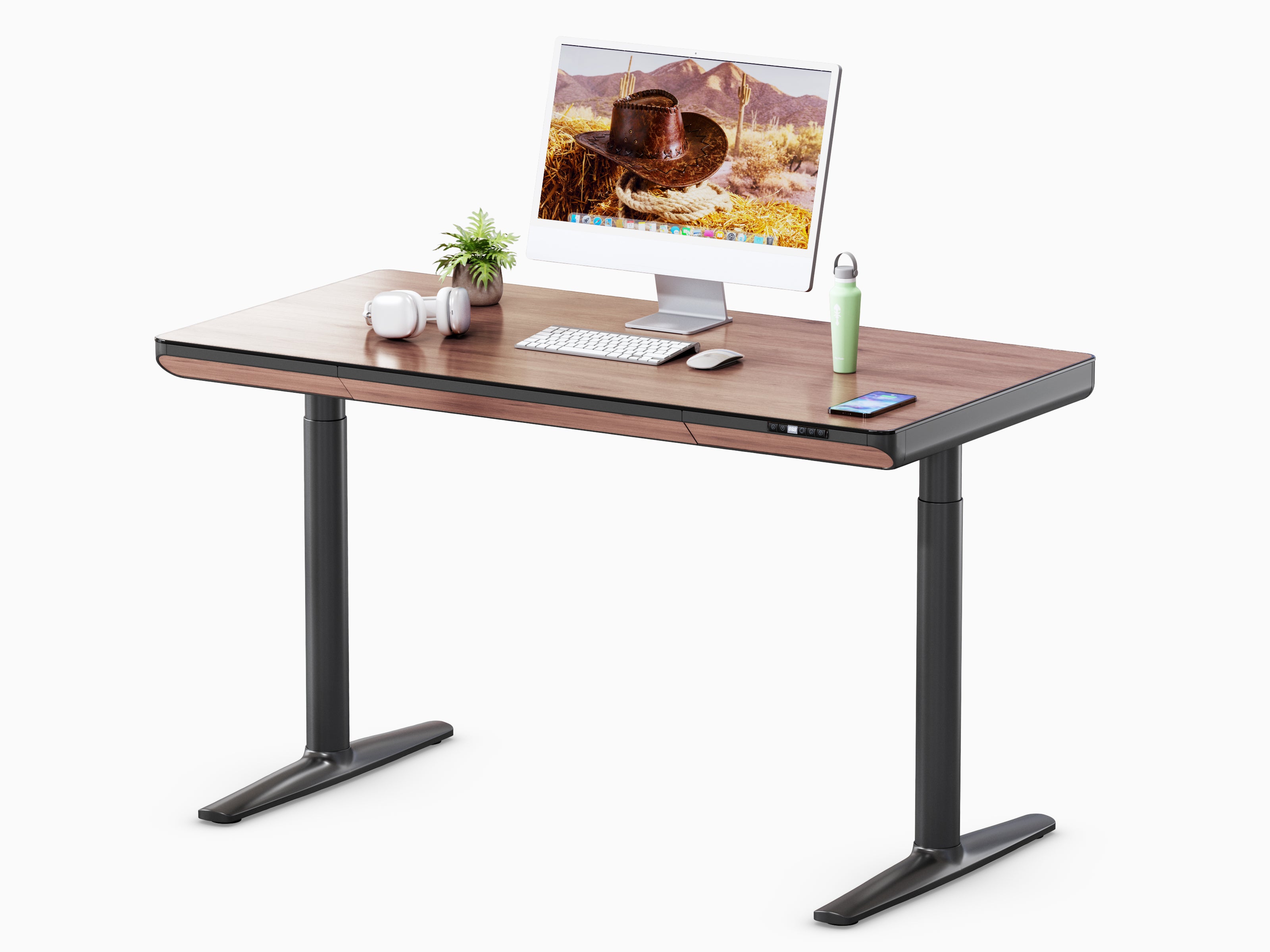
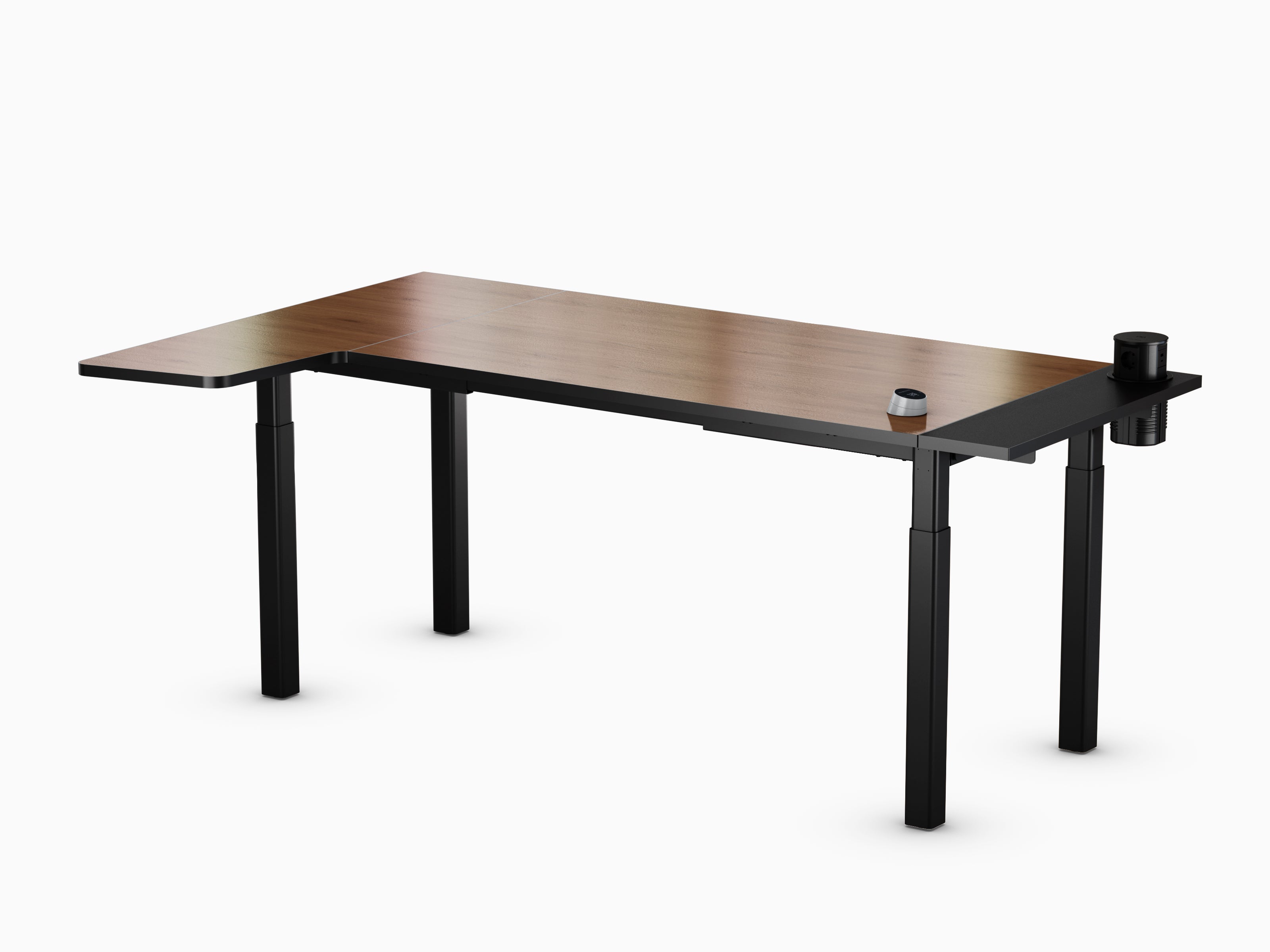
Desks like those from Maidesite allow for regular changes between sitting and standing while working. Studies by the German Federal Institute for Occupational Safety and Health (BAuA) show that this simple change can reduce back pain. Ergonomic office chairs with individual adjustment options, also offered by Maidesite, further support a healthy posture and demonstrably relieve pressure on the spine.
Movement breaks: Short but regular active breaks of 2-3 minutes every 45 minutes can increase productivity and prevent tension.
Training and education: Employers who invest in the ergonomic education of their employees
Employees: Those who invest internally experience up to 20% fewer sick days.
Health insurance companies like AOK even provide interactive training programs for this purpose.
Holistic health concepts: Progressive companies now offer
comprehensive health programs that, in addition to workplace design, also
Stress management and exercise promotion are included.
The alarming figures on office-related illnesses in Germany make it clear:
Action is needed at all levels. Both employers and
Employees are urged to take preventative measures. Especially those
Investing in ergonomic office furniture such as office chairs and height-adjustable desks from suppliers like Maidesite is an effective preventative measure that pays off in the long run.
The cost of ergonomic furniture is quickly recouped through fewer sick days and increased productivity. With average costs of €300 per sick day for employers, every avoided day of absence represents a financial gain – not to mention the improved personal well-being of the employees.
Preventing office-related illnesses is not a luxury, but a necessary one.
Investing in the health and productivity of the German workforce. Those who invest today in ergonomic workplaces by purchasing office chairs and height-adjustable desks will save on treatment costs and lost work time tomorrow.


