









How much does a good height-adjustable desk cost?

Height-adjustable desks are no longer just a trend: they are essential elements of a healthy and ergonomic workplace. But how much does such a desk actually cost? And why are high-quality models often relatively expensive?
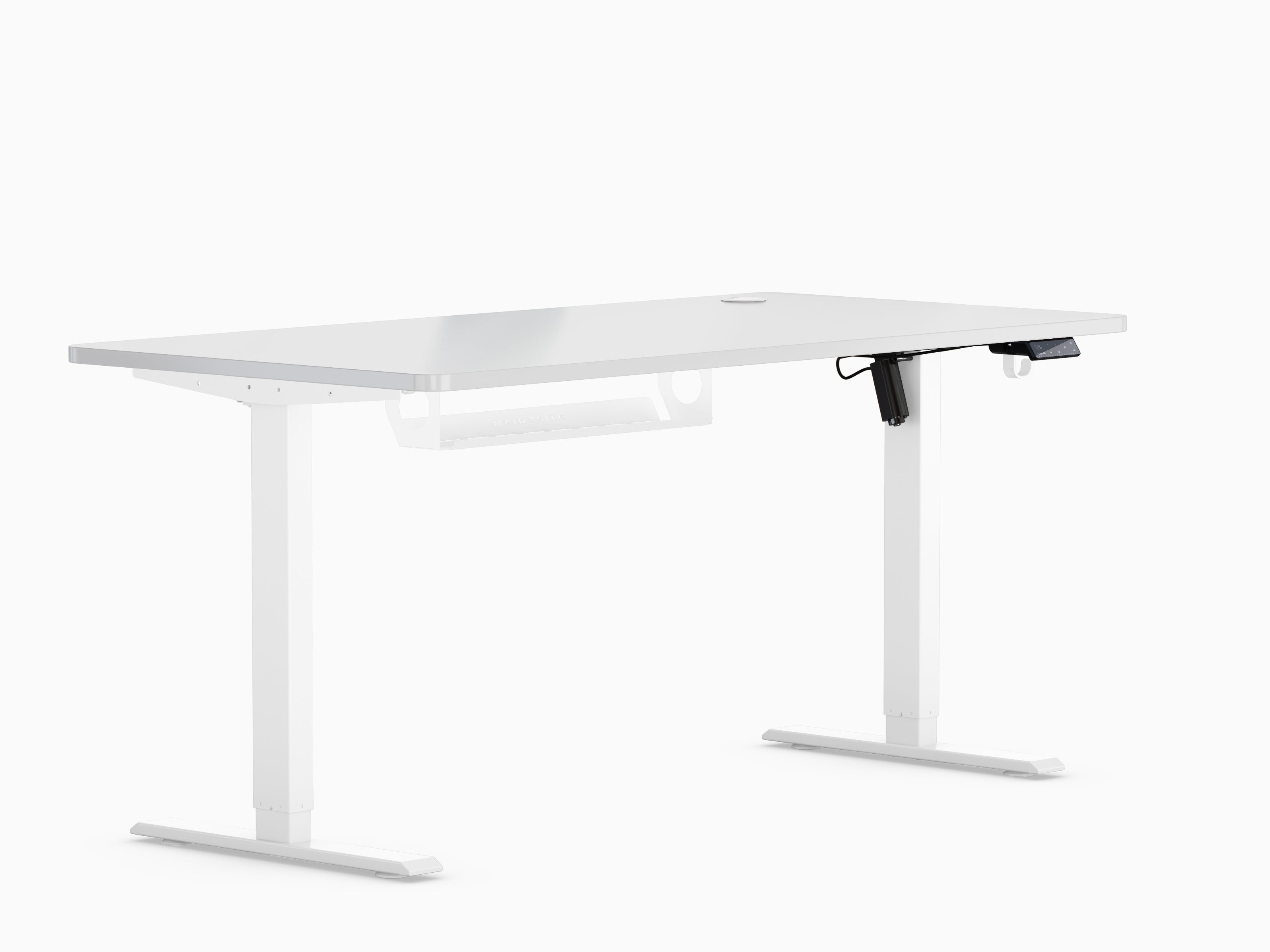
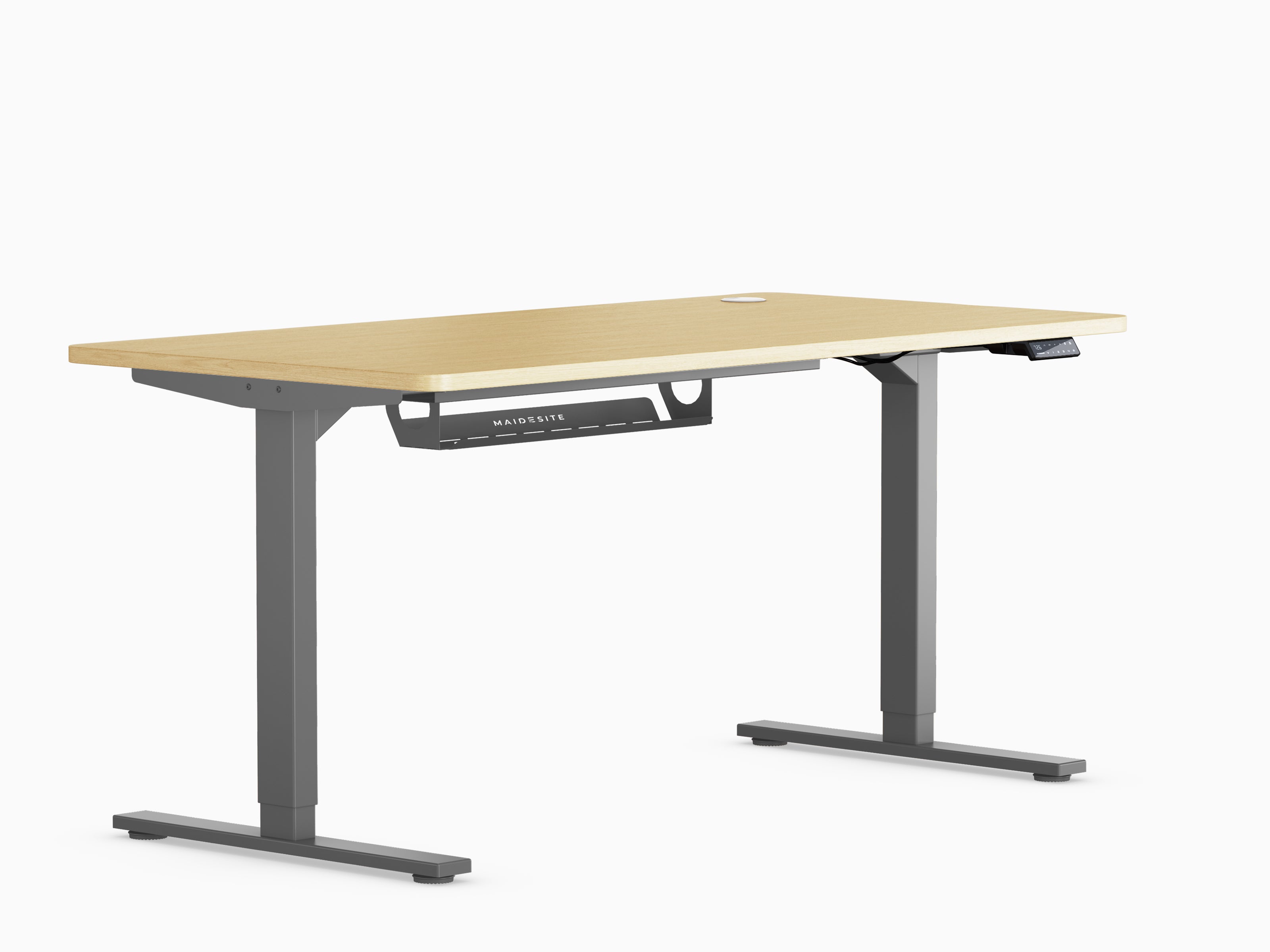
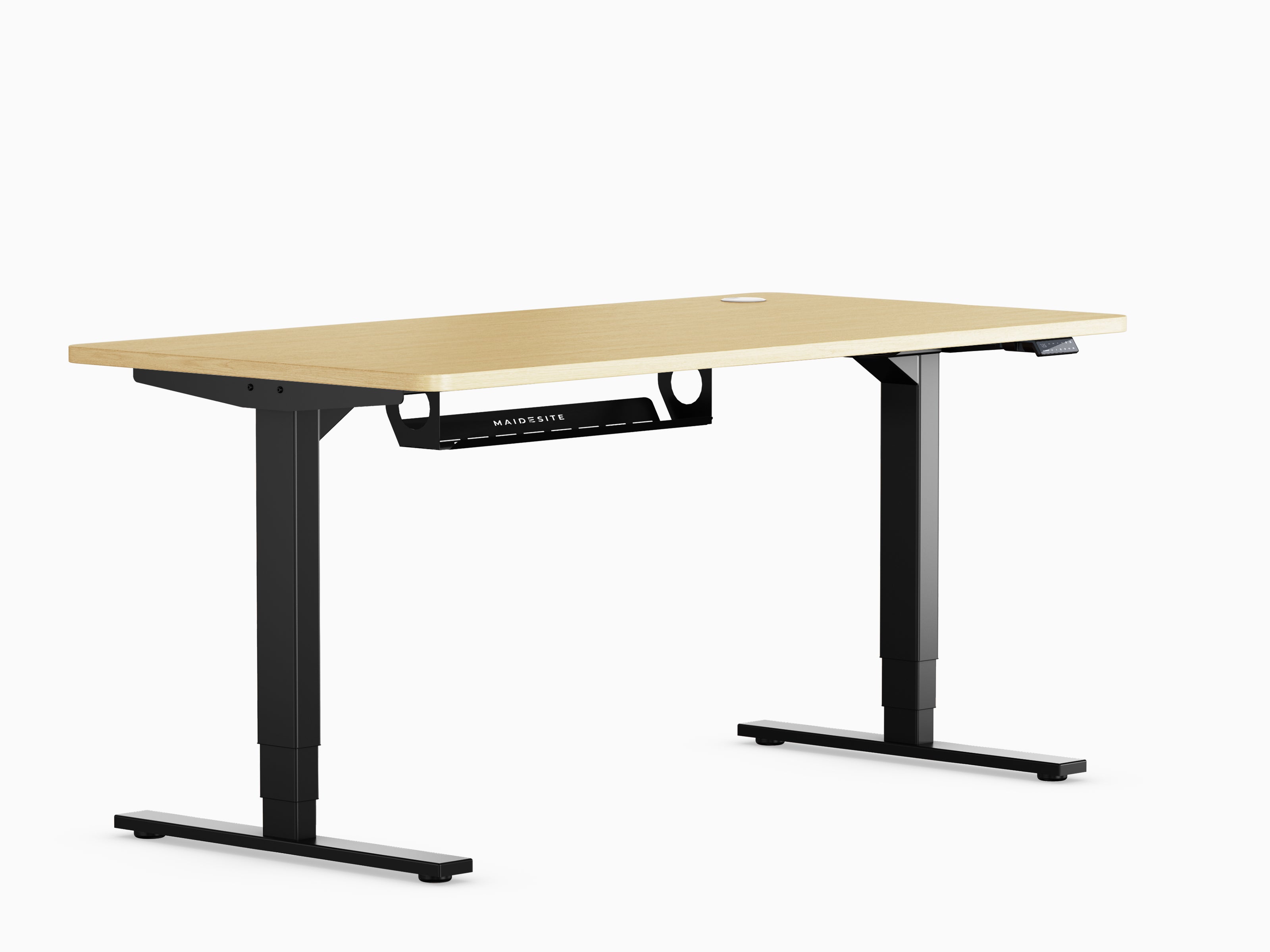
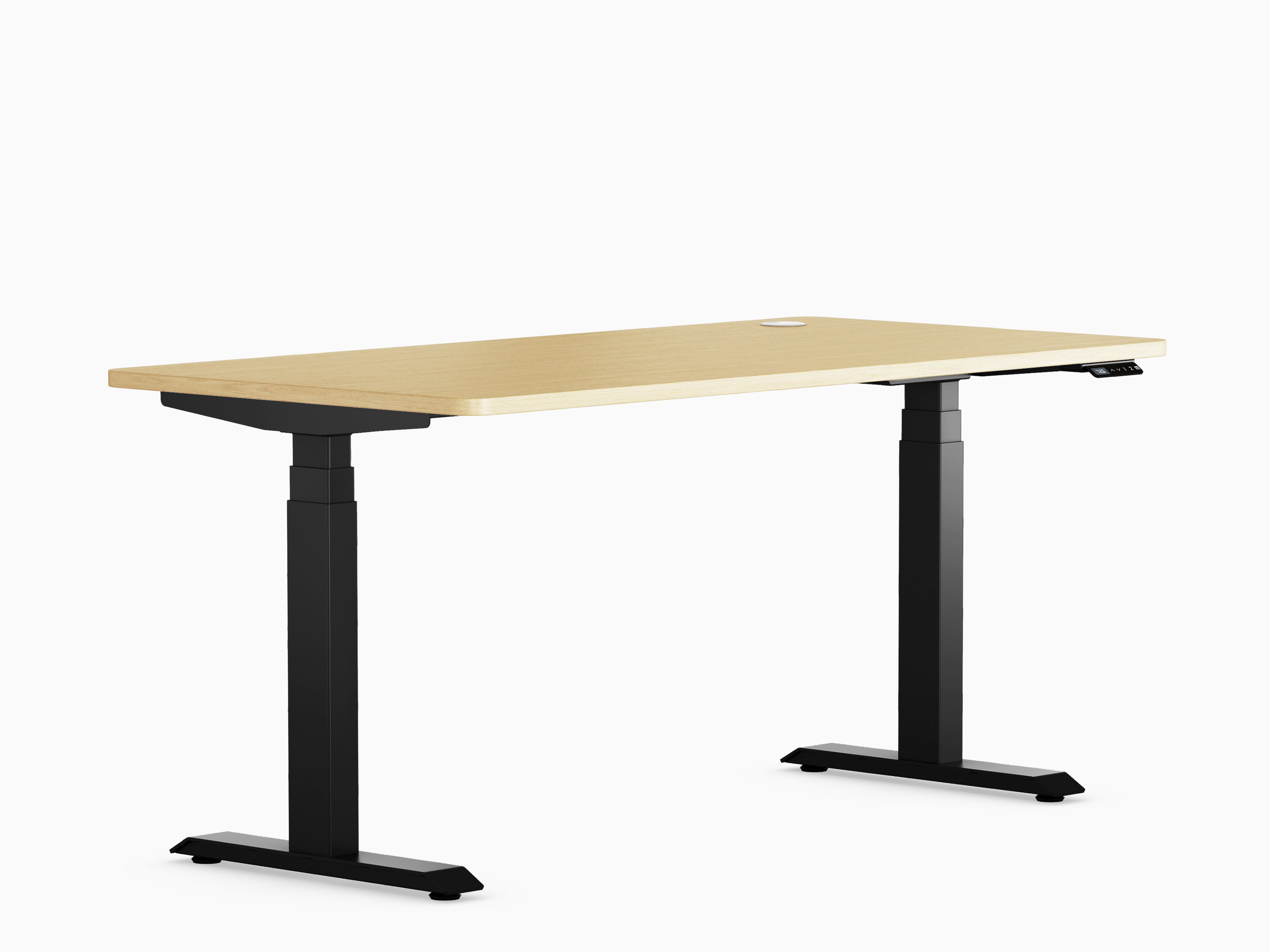
The price range for height-adjustable desks is wide. Simple models without electric adjustment are available from around €200. These desks are usually manually height-adjustable and come with simpler materials and construction. For a fully electric height-adjustable desk, however, buyers should expect to pay at least €500 to €700. Prices for high-quality, stable, and durable models generally range between €800 and €1,500. Particularly exclusive or design-oriented versions can cost well over €2,000.
The difference compared to conventional desks lies not only in the function, but above all in the quality of the materials used and the technical features. This is why the prices vary so much and are often higher.
Why are height-adjustable desks so expensive?
Why are height-adjustable desks often significantly more expensive than conventional desks? The answer lies in various factors related to quality, functionality, and safety. From the technical specifications and materials used to ergonomic aspects and additional features – all these points significantly influence the price. The following explains the main reasons why high-quality height-adjustable desks command their price.

1. Technical equipment and mechanics
A major cost factor is the complex technology. Electric height adjustment is achieved via motors that must operate quietly, precisely, and durably. These motors, often coupled with high-quality controllers and sensors, require precise manufacturing and regular quality control.
Furthermore, the tables must offer a certain load-bearing capacity – many models can withstand loads of 70 to over 120 kilograms. The motors and mechanics are designed to move this load safely and reliably.
2. Material quality and workmanship
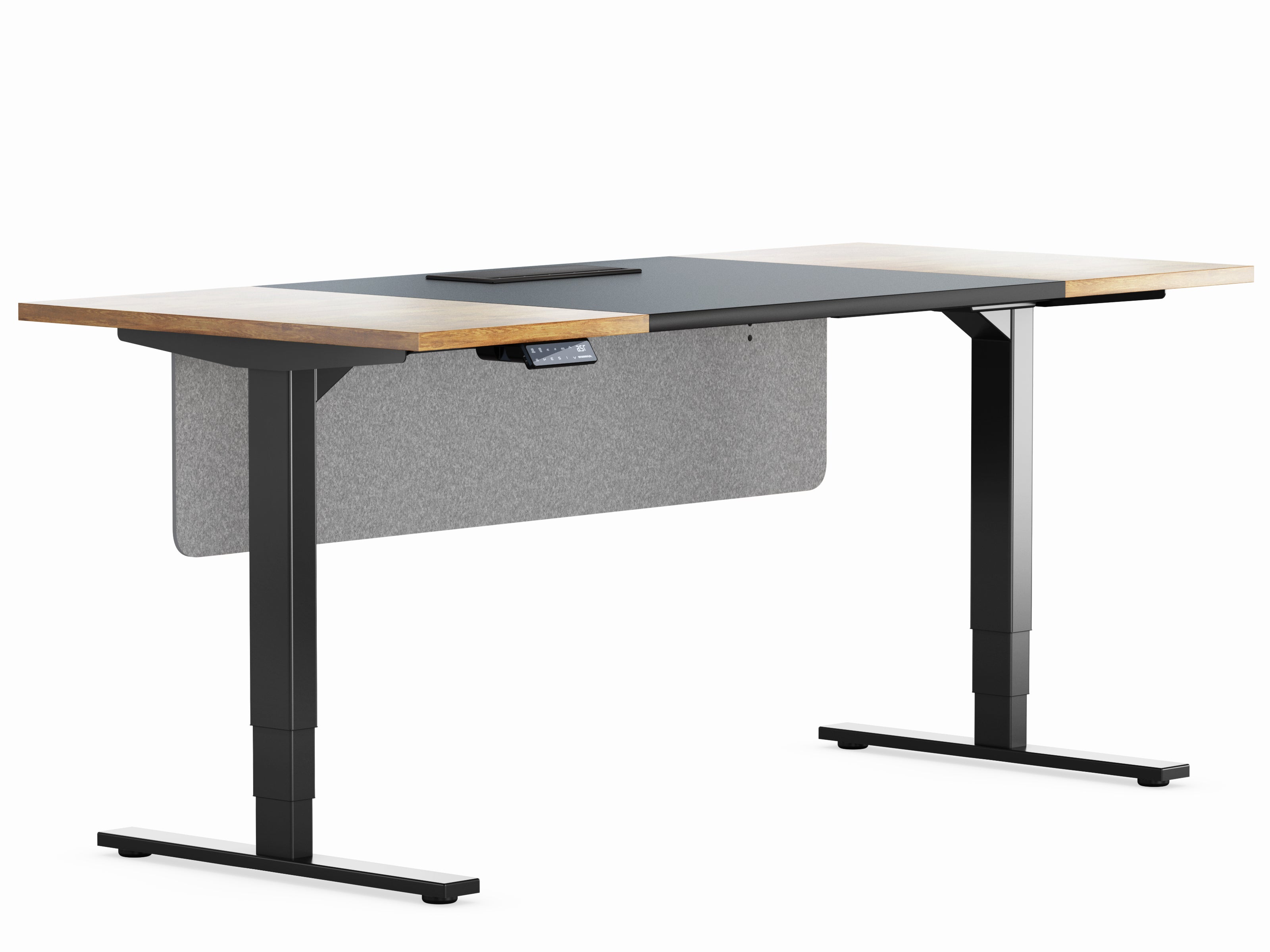
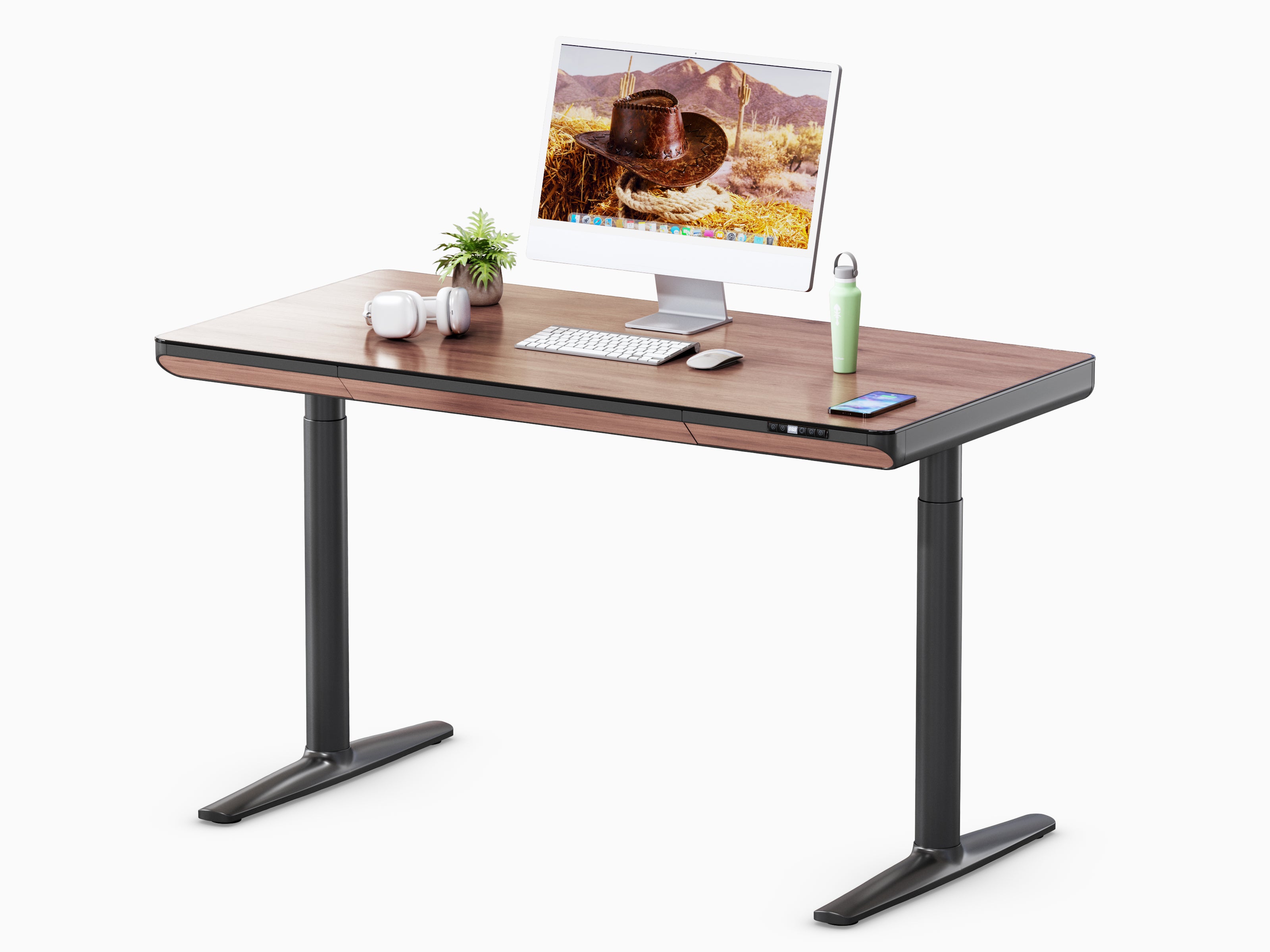
Height-adjustable tables require sturdy frames, often made of robust steel or aluminum. This material is durable but also more expensive than simple metal or wood composites. The tabletops are usually made of resilient materials such as high-quality wood, veneered panels, or special coatings that are scratch-resistant and easy to clean.
High-quality workmanship also ensures low noise levels, smooth operation of the mechanism and a long service life.
3. Ergonomics and health protection
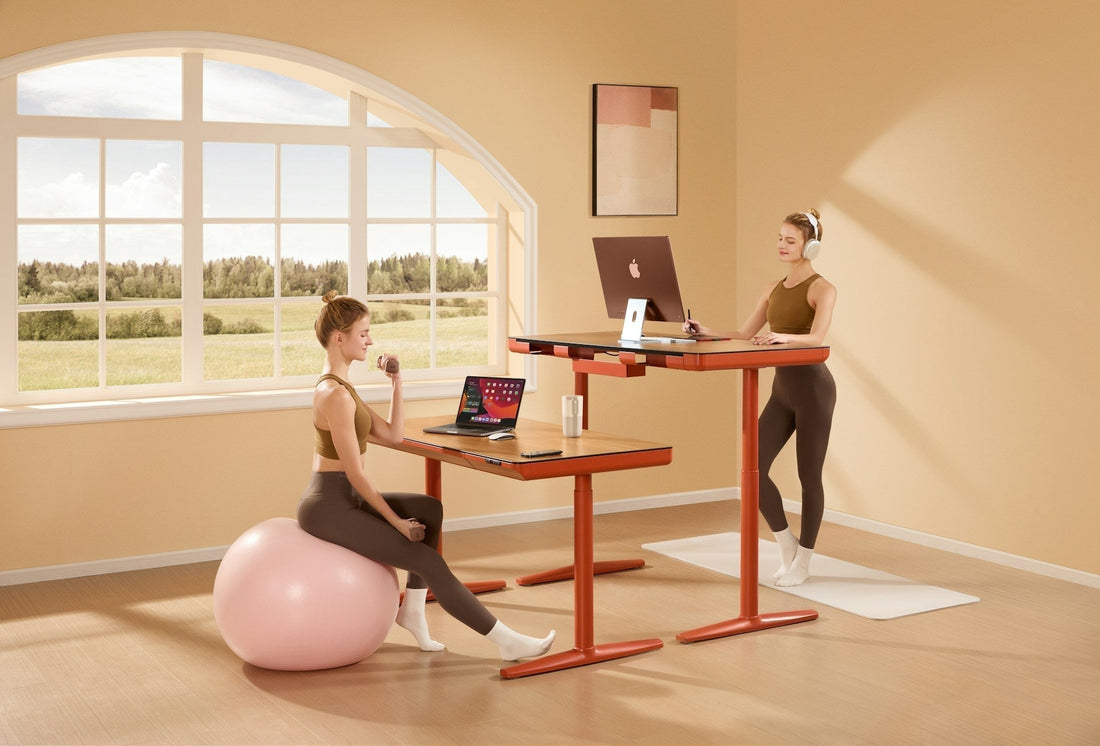
Ergonomics is the key argument for height-adjustable desks. The ability to switch between sitting and standing promotes health and prevents discomfort. Manufacturers therefore invest heavily in research and development to ensure optimal height adjustments, safe designs, and user-friendly operation.
4. Safety and quality standards
Height-adjustable desks must meet numerous safety standards, such as CE, TÜV, or GS certifications. These tests are costly, but they increase reliability and protect against malfunctions.
5. Additional features and design
Many models offer additional features: memory functions for different heights, integrated cable management, special surfaces, or design solutions that visually enhance the workplace. Such extras also drive up the price.
6. Warranty and Service
Another factor is the manufacturer's warranty. Good manufacturers often offer 5 years or more on the frame and mechanism. These longer warranty periods come with higher prices, as the product is designed for a long lifespan.

Recommendations for buying height-adjustable desks
When buying a height-adjustable desk, it's important to carefully consider which requirements the model should meet. Not every desk is suitable for every user and workspace. Therefore, the selection should be well-considered to ensure long-term satisfaction and to fully reap the health benefits.
The most important factor is adjustability: the desk should be easily and continuously adjustable to the individual's height. Electric models usually offer more convenience than manual ones, but are also more expensive. Pay attention to the frame's load-bearing capacity – the higher the capacity, the more stable the desk will be, even with larger monitors or multiple work tools.
Material quality also plays a major role. A sturdy frame made of steel or aluminum ensures stability, while the tabletop should be scratch-resistant and easy to clean. Many manufacturers offer various designs and finishes so that the desk matches the rest of the office decor.
Before buying, it's worth looking at independent test reports and customer reviews. Specialist magazines and online portals such as Stiftung Warentest or ergonomie-experten.de provide helpful information on the quality and functionality of the models. In addition, consultations with specialist retailers or ergonomics consultants can be useful in finding the right desk for individual needs.
Those who use the desk for work should also check whether they can claim any subsidies or grants from health insurance companies or employers' liability insurance associations. Targeted research or a conversation with the employer can help with this.
Is the investment worthwhile?
A height-adjustable desk is primarily an investment in your health and well-being at work. In times when many hours are spent sitting, an ergonomically designed workspace is essential. Height-adjustable desks allow you to switch between sitting and standing positions, improve blood circulation, and help prevent tension and postural problems.
Cheap models may seem tempting at first glance, but they often have weaknesses in workmanship and mechanics. This leads to faster wear and tear, more frequent repairs, and a lack of comfort. Such desks often fail to meet the requirements of an ergonomic workplace design and can even cause health problems in the long run.
High-quality desks, on the other hand, offer robust materials, precise engineering, and a stable construction. They allow for smooth and quiet height adjustment, withstand heavy loads, and offer greater comfort. For people who spend a lot of time at their desks, this leads to more movement, less fatigue, and better overall health.
Furthermore, durable tables save on repair and replacement costs in the long run. Health benefits such as fewer sick days and increased productivity also pay off economically.
Overall, investing in a good height-adjustable desk is therefore worthwhile not only for health, but also for comfort and long-term performance in the workplace.

Conclusion: Quality comes at a price!
The cost of a good height-adjustable desk is comprised of several factors: high-quality materials, precise engineering, ergonomic design, and high safety standards. These elements ensure stability, durability, and, above all, a healthy working posture. Electric models with reliable motors and user-friendly operation are more expensive than simple manual versions, but offer significantly greater comfort and quality.
While basic desks are available from around €200 , a robust, electrically adjustable desk will cost between €800 and €1,500. Additional features or special designs can increase the price further. For people who spend many hours at their desks every day, this investment is worthwhile, as it prevents back problems and increases productivity.
Overall, choosing a high-quality height-adjustable table pays off in the long run through better seating comfort, health benefits and a longer service life.
Disclaimer: This article is for informational purposes only and does not constitute legal advice. All information is provided without guarantee.


