









How to obtain a medical certificate from your family doctor for an office desk

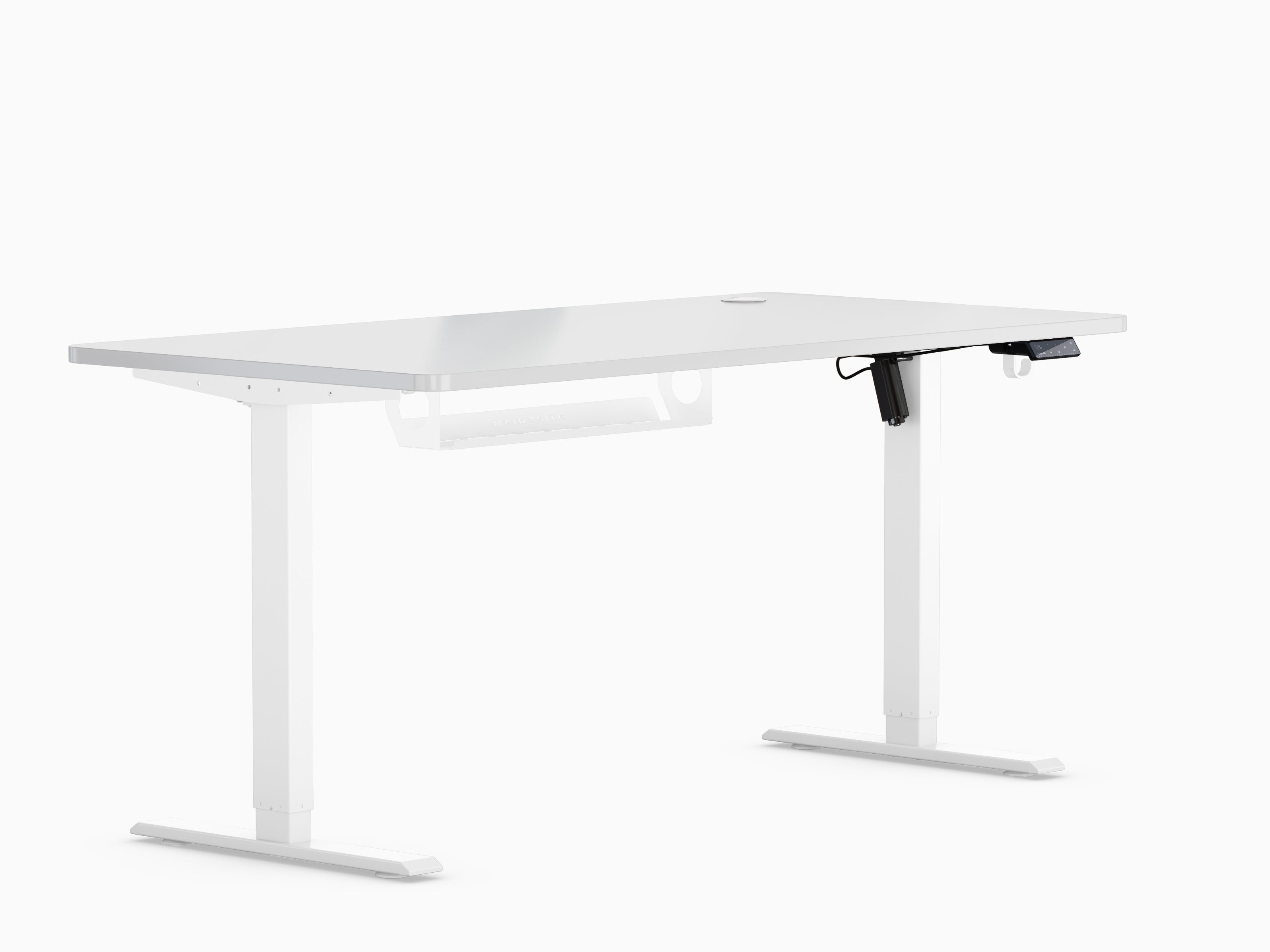
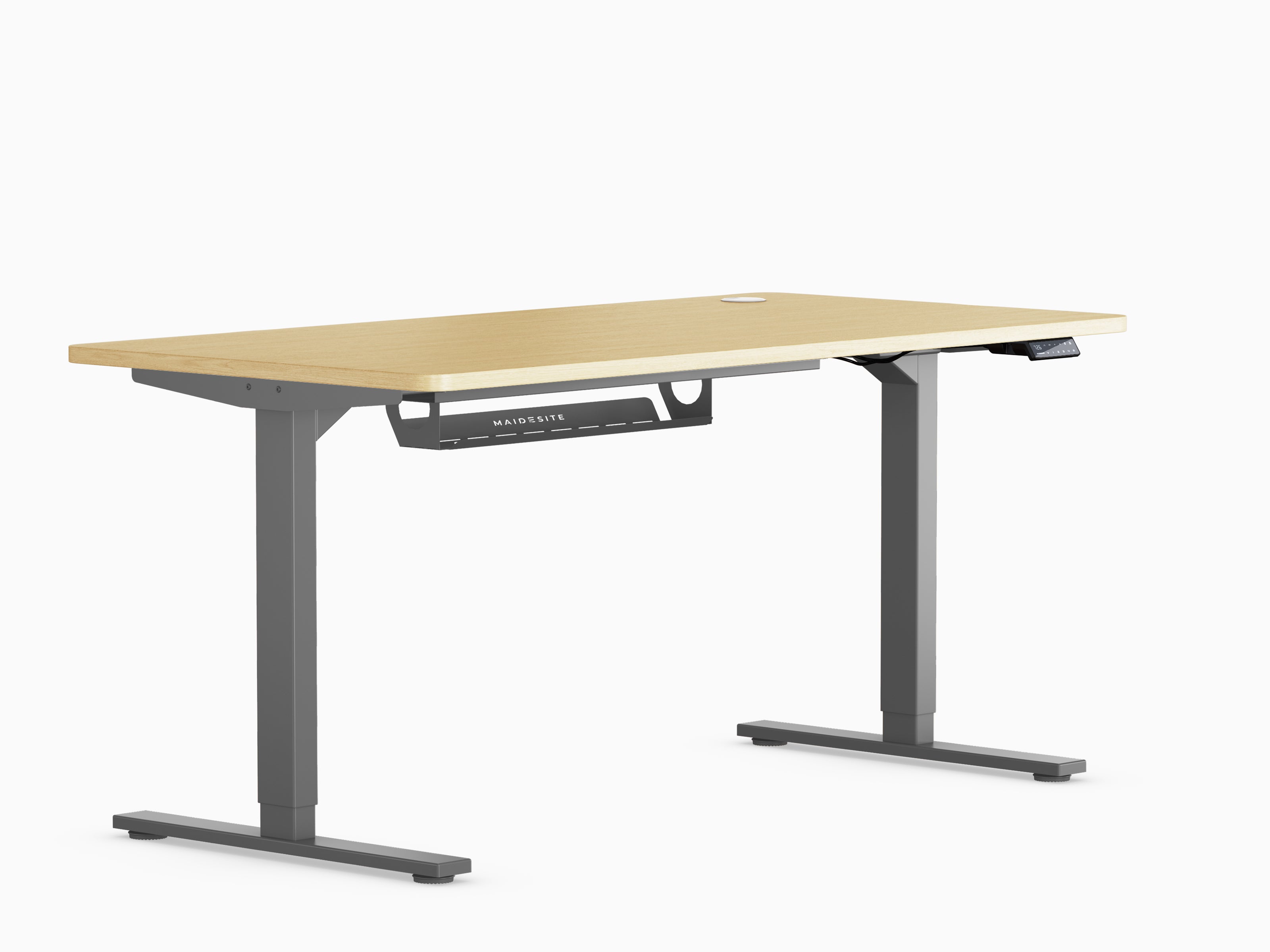
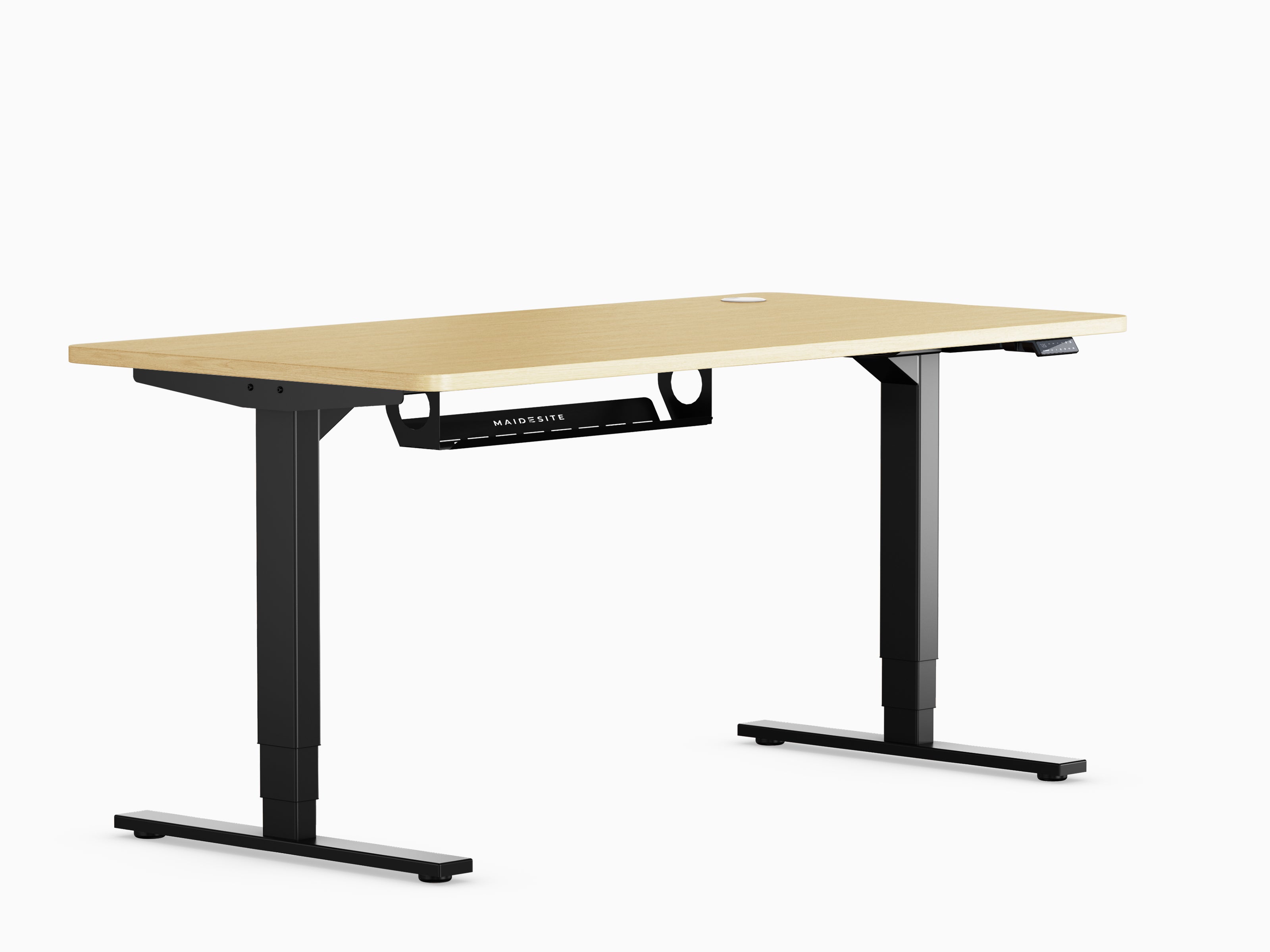
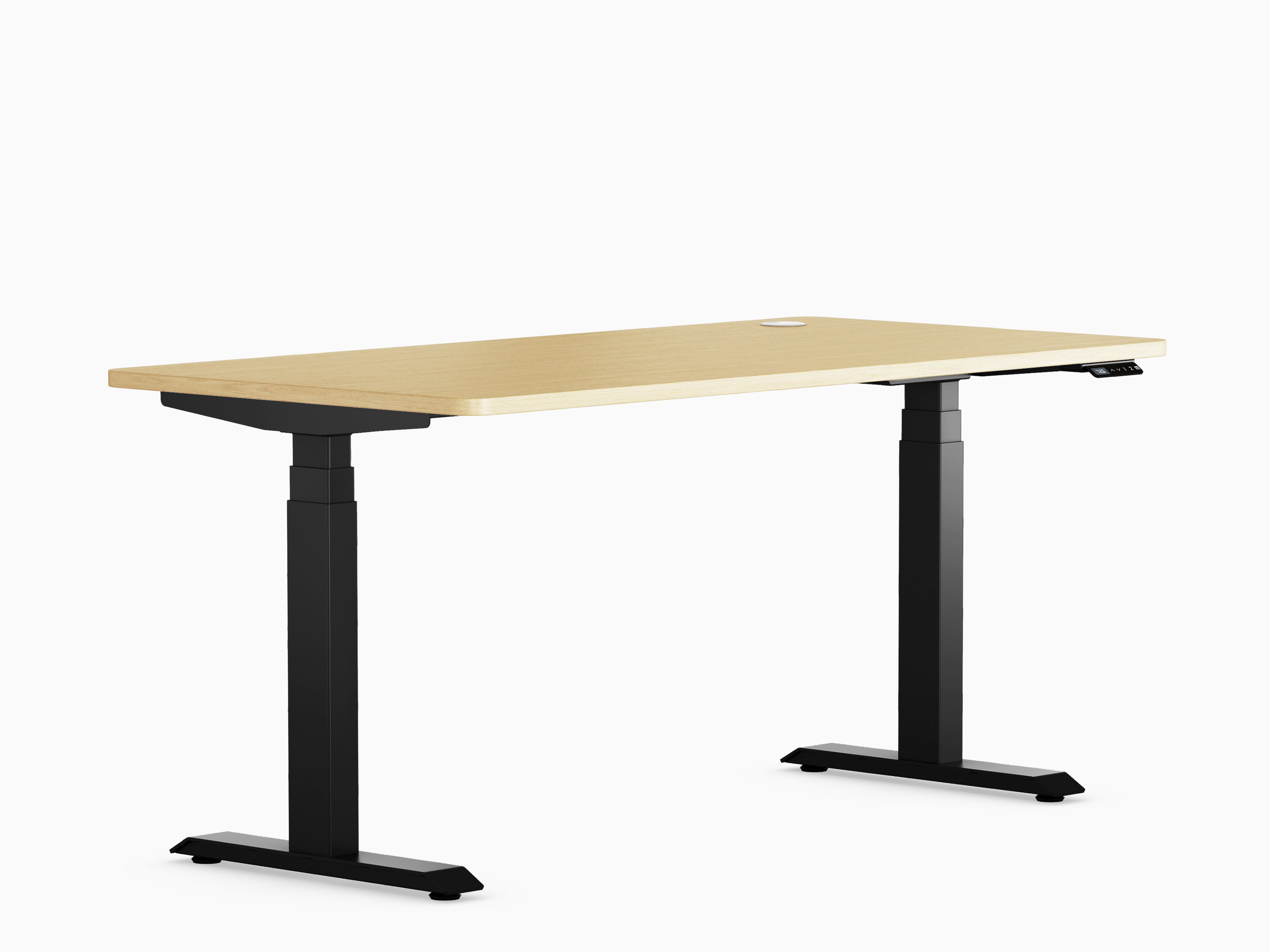
For many people, a height-adjustable desk is an essential component of an ergonomic workspace. It facilitates switching between sitting and standing, which can prevent or alleviate back pain, tension, and postural problems. If such a desk is needed due to health issues, the question often arises as to how to obtain a prescription or medical certificate and whether the general practitioner is responsible. This article explains the conditions under which a prescription is issued, the role of the general practitioner in this process, and what alternatives are available.
Medical indication for a height-adjustable desk
A prescription for a height-adjustable desk is generally issued based on a medical indication. This means there must be a health necessity that can be improved by using such a desk. Typical indications include chronic musculoskeletal disorders, particularly back pain, herniated discs, muscle tension, or postural problems resulting from a consistently poor sitting or standing position.
Generally, proof of such an indication is required for the health insurance company or other payer to cover the cost of the table. The prescription serves as official documentation of the medical necessity.

Responsibilities of the family doctor when issuing a medical certificate or prescription
In most cases, the family doctor is the first point of contact for people who need a certificate or prescription for a height-adjustable desk. Due to their long-term care, the family doctor is best acquainted with their patients' individual medical history, health status, and complaints. This allows them to assess whether the use of an ergonomic, height-adjustable desk is medically advisable and necessary to improve working conditions.
Issuing such a certificate or prescription is more complex than prescribing medication. The general practitioner must carefully examine whether there is indeed a medical indication that justifies the need for a height-adjustable desk. This involves considering not only the current symptoms but also previous diagnoses, treatment outcomes, and, if applicable, the patient's work environment.
Since the decision often requires a specialist assessment, it is common practice for the general practitioner to issue a referral to a specialist. Orthopedists, occupational physicians, and occupational therapists, in particular, possess the necessary expertise to make a precise diagnosis and to provide a sound medical confirmation of the medical necessity of a height-adjustable desk. In many cases, these specialists also actively support the patient by issuing the prescription themselves or drafting the medical certificate together with the general practitioner.
This collaboration between general practitioner and specialist ensures that the prescription is based on a solid medical foundation, thus increasing the chances of reimbursement by the health insurance company.
Content and requirements for the certificate or prescription
For a medical certificate or prescription to be recognized by the health insurance company and for reimbursement to be approved, it must contain a clear medical justification. This should clearly state the underlying diagnosis, such as back pain, postural problems, or other health issues resulting from prolonged sitting or an unfavorable working position.
It is also important that the medical certificate describes why a height-adjustable desk is necessary for an ergonomically designed workplace. It should explain how the desk helps to alleviate discomfort, reduce strain, and prevent a deterioration of the patient's health. A coherent and well-reasoned explanation increases the likelihood that the health insurance company will accept the prescription.
Additionally, it can be helpful to specify the period for which the table is expected to be needed. This makes the prescription more precise and the cost coverage more realistically assessed. The more detailed and well-founded the medical certificate is, the higher the chances of a positive decision from the health insurance company.

Alternatives and further steps if the family doctor rejects the offer
If your family doctor refuses to issue a prescription because they don't see it as medically necessary, there are several ways to obtain one anyway. One option is to see a specialist, such as an orthopedist who specializes in musculoskeletal disorders. Specialists often have advanced diagnostic tools and can assess a medical indication more precisely.
Furthermore, the company physician can issue a recommendation as part of workplace health promotion. Ergonomics consultants or physiotherapists can also provide support by professionally documenting the needs and presenting this documentation to the physician as evidence.
If rehabilitation or physiotherapy treatment is already underway, treating physicians can also issue a prescription for a height-adjustable desk.

Preparation and procedure for the application
Thorough preparation for your doctor's appointment is crucial for successfully obtaining a prescription for a height-adjustable desk. It's important to meticulously document all health problems and bring any existing medical records, such as doctor's reports or test results. These documents will help the doctor better assess the necessity of the desk.
During the consultation, it should be clearly and comprehensibly explained why the height-adjustable desk is needed and how it will help alleviate the symptoms. A precise explanation will support the issuance of the medical certificate or prescription. When submitting the application to the health insurance company, all required documents should be submitted in full. Incomplete applications can lead to delays or rejections.
If the health insurance company refuses to cover the costs, you have the option of filing an appeal. It is helpful to include further medical reports or statements to reiterate the medical necessity. Appeals are often only approved on the second attempt.
Conclusion: Requirements must be met!
Obtaining a prescription or doctor's certificate for a height-adjustable desk is an important step towards securing financial assistance for its purchase. Your family doctor is usually the first point of contact, but issuing a prescription depends on a clear medical indication. If your family doctor is unable to issue a prescription, specialists, occupational health physicians, or ergonomics consultants can provide alternatives to confirm the necessity. Thorough preparation and precise documentation of your symptoms will increase your chances of a successful application.
With proper regulation and financial support, a height-adjustable desk can contribute to a healthier and more ergonomic workplace, thus significantly improving quality of life and productivity.
You can refer to the adjustable height desk buying guide for reference once the grant has been credited to your account.
Disclaimer: This article is for informational purposes only and does not constitute legal advice. All information is provided without guarantee.


